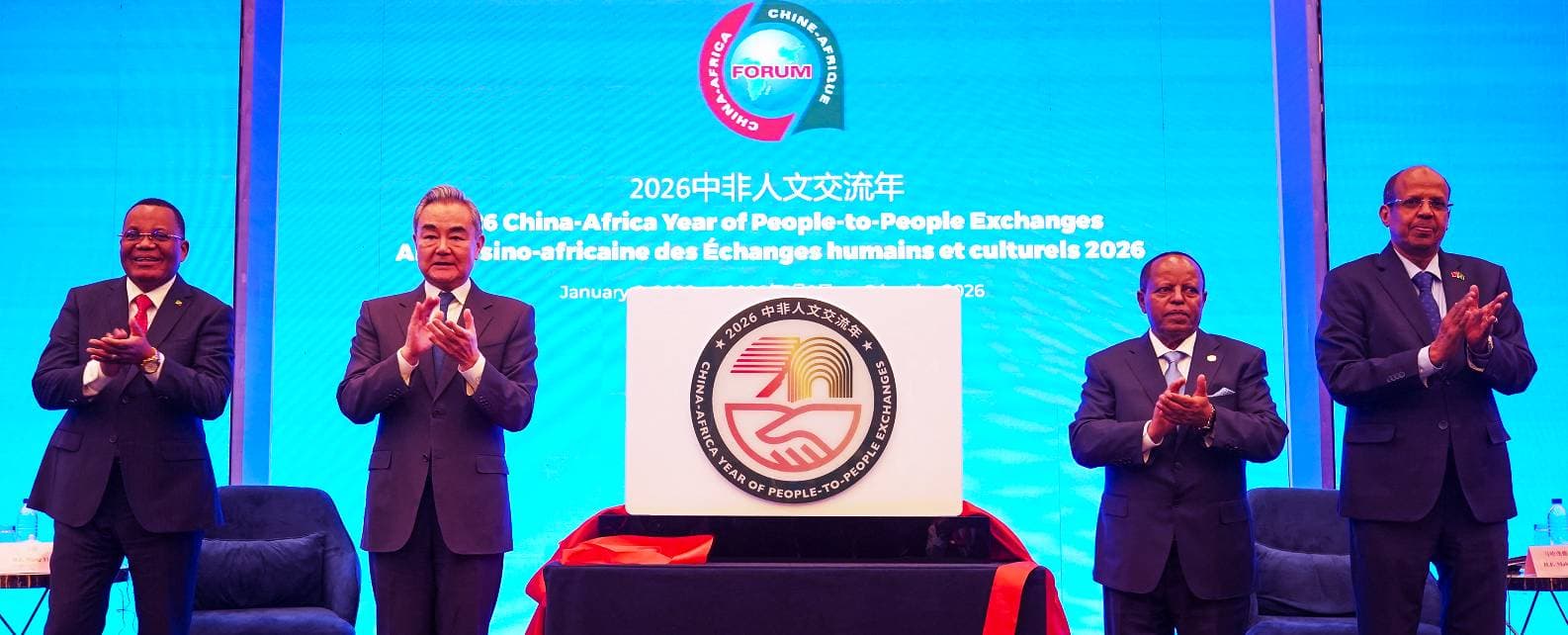
Paul Biya, 93, Postpones Elections and Locks Down Cameroon
Two postponements, a vice president groomed to inherit power, an opposition crushed in blood. Meanwhile, Beijing signs deals in Libreville and Cairo hunts its journalists.
Bold, evidence-based coverage. No one gets a pass.
31 articles

Two postponements, a vice president groomed to inherit power, an opposition crushed in blood. Meanwhile, Beijing signs deals in Libreville and Cairo hunts its journalists.

Papua New Guinea ordered Taiwan's office out, and Beijing applauded. Now Taipei is cutting gas purchases and medical aid. Ordinary Pacific families will pay the price.

A Trump-Xi-Putin meeting at APEC would be a coup for Moscow, analysts say, but Beijing appears lukewarm.
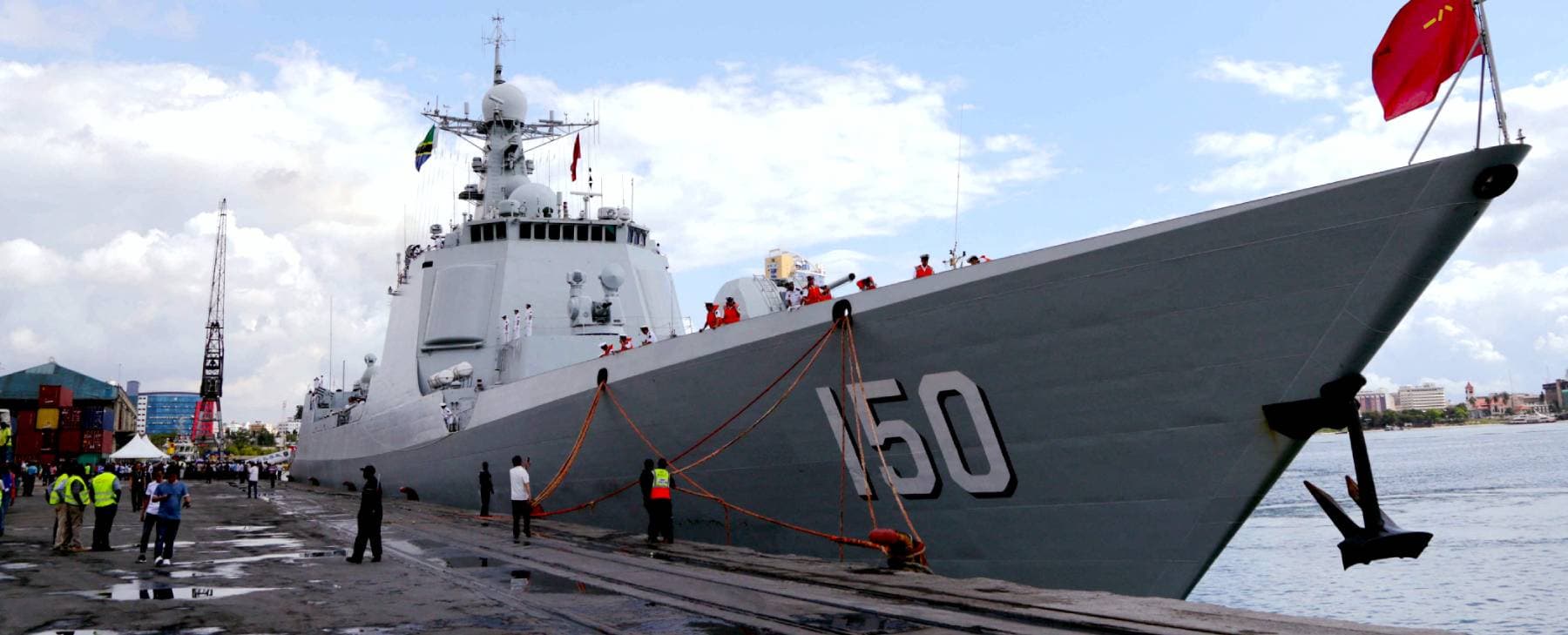
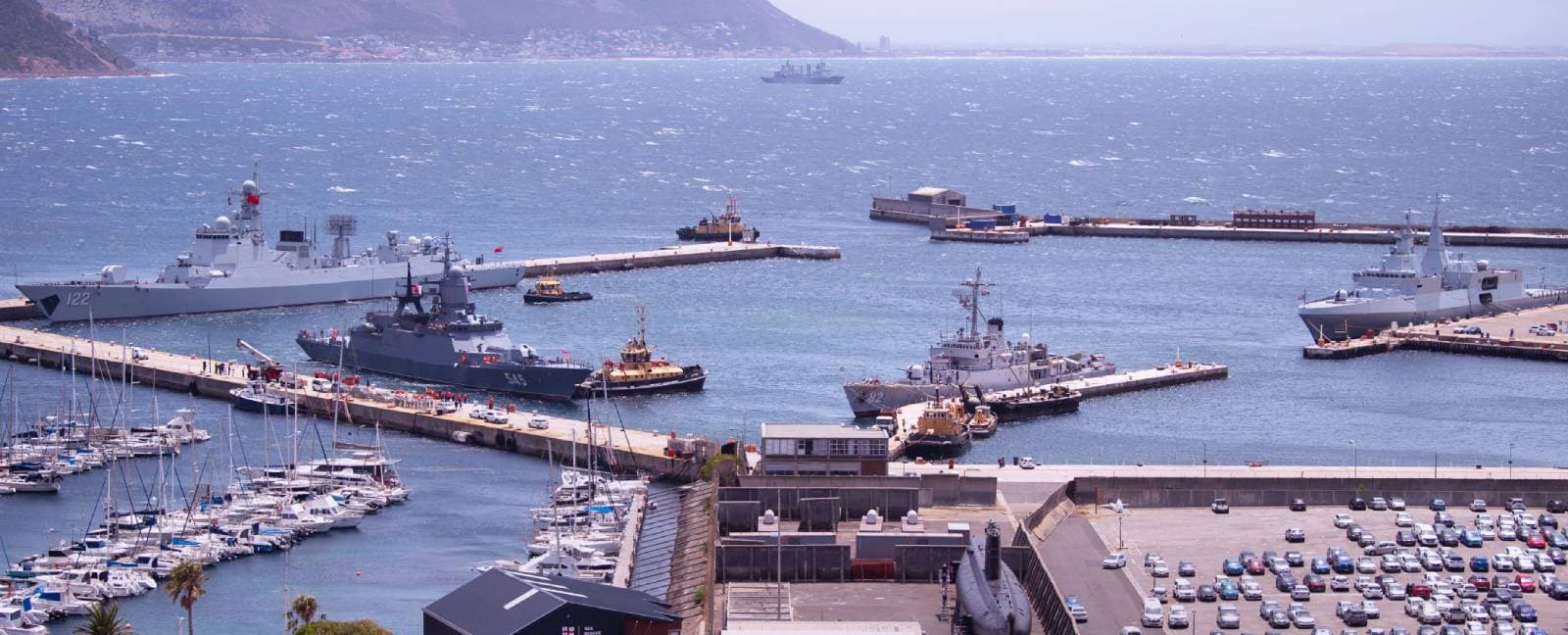
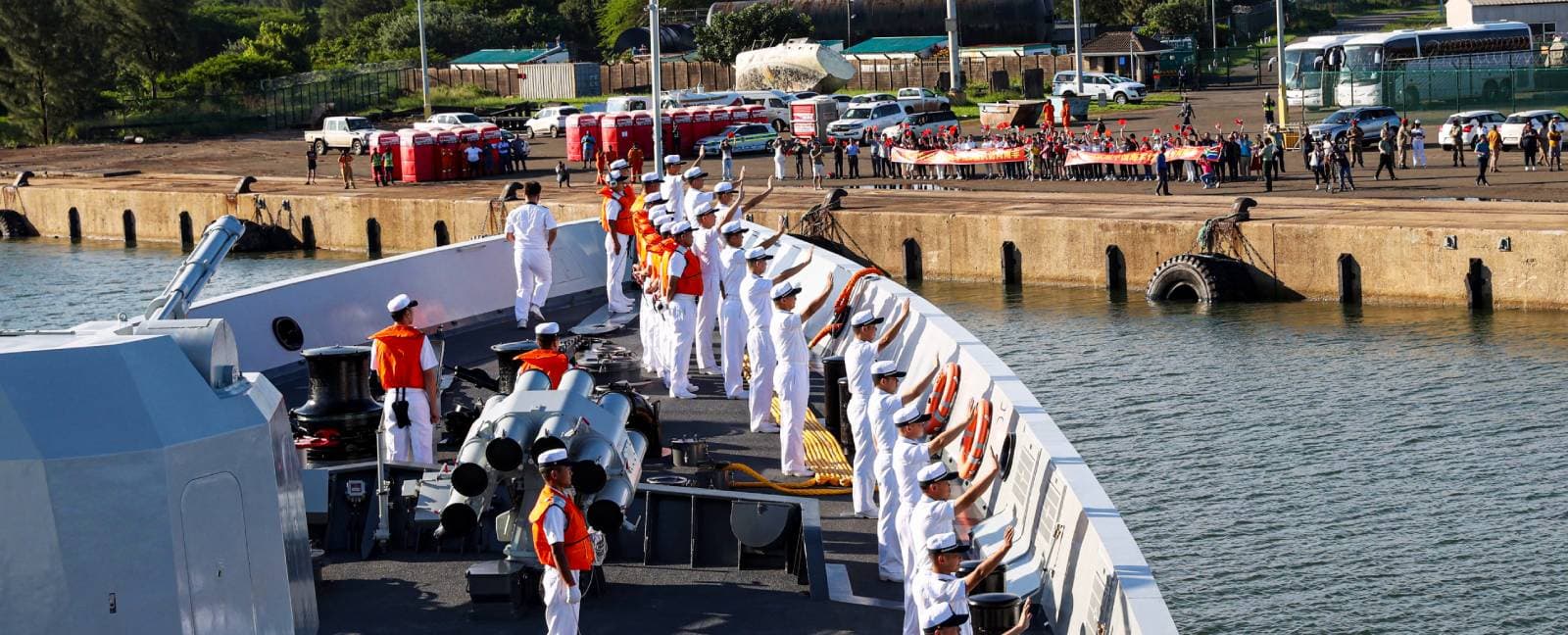
China has invested $50 billion in 78 ports across 32 African countries since 2013. Seven of these ports can berth Chinese warships, and Beijing's newest $900 million deal in Angola directly challenges U.S. mineral supply chains.

Families in Kolwezi are suing a Chinese mining giant for poisoning their land and water. Their own government is in the dock beside it.

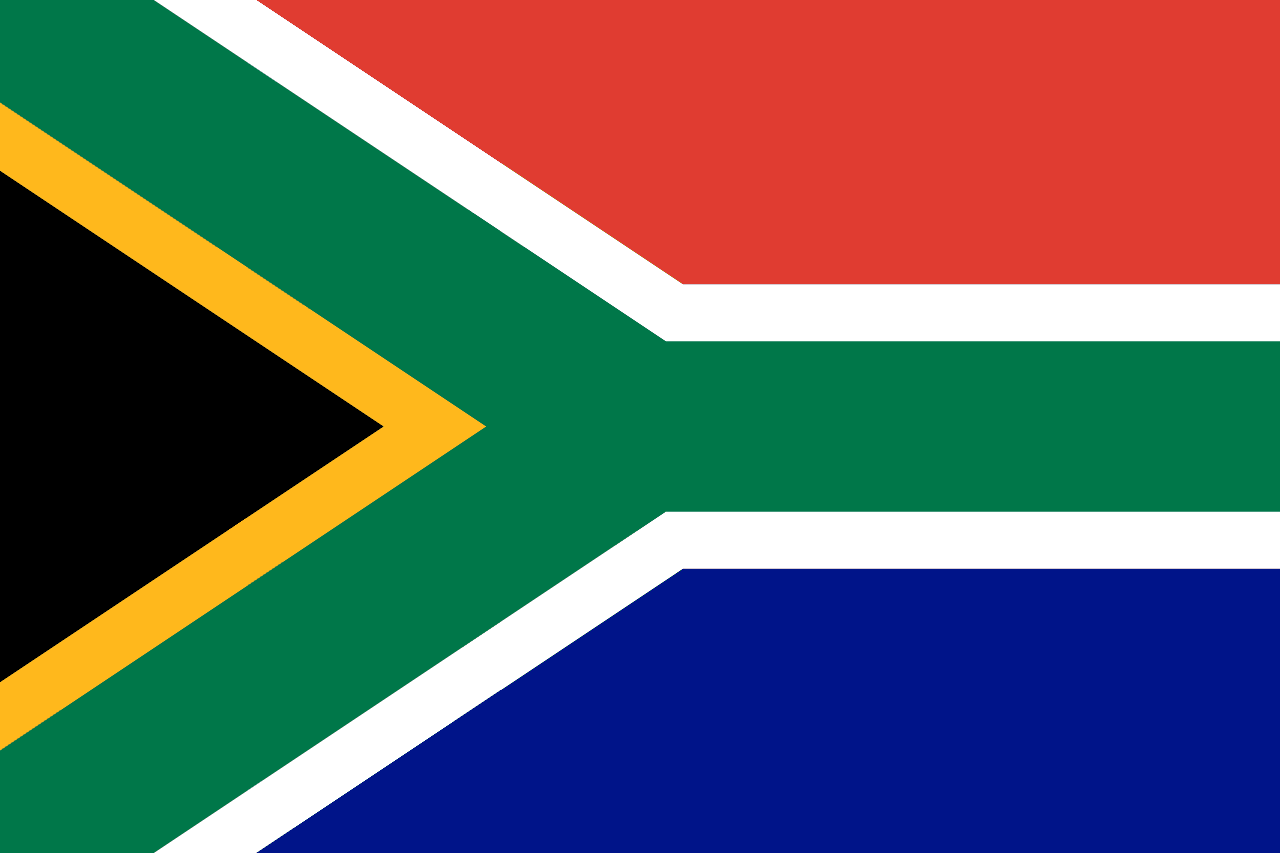
In tonight's edition, Rwanda and South Africa will lose their duty-free access to the U.S. market after being excluded from the AGOA trade program. Also, South Africans head to the polls amid water shortages and frustration with local services. And in the DRC's mining capital, Kolwezi, residents are taking on one of the country's largest Chinese-owned mines... accusing it of poisoning their environment.
A year-long Global Witness investigation traces over 2,000 tonnes of smuggled conflict coltan from DRC's Rubaya mines through Rwanda to smelters in China and Kazakhstan, and into products made by Apple, Microsoft, Amazon, Nvidia, Sony and Toyota.

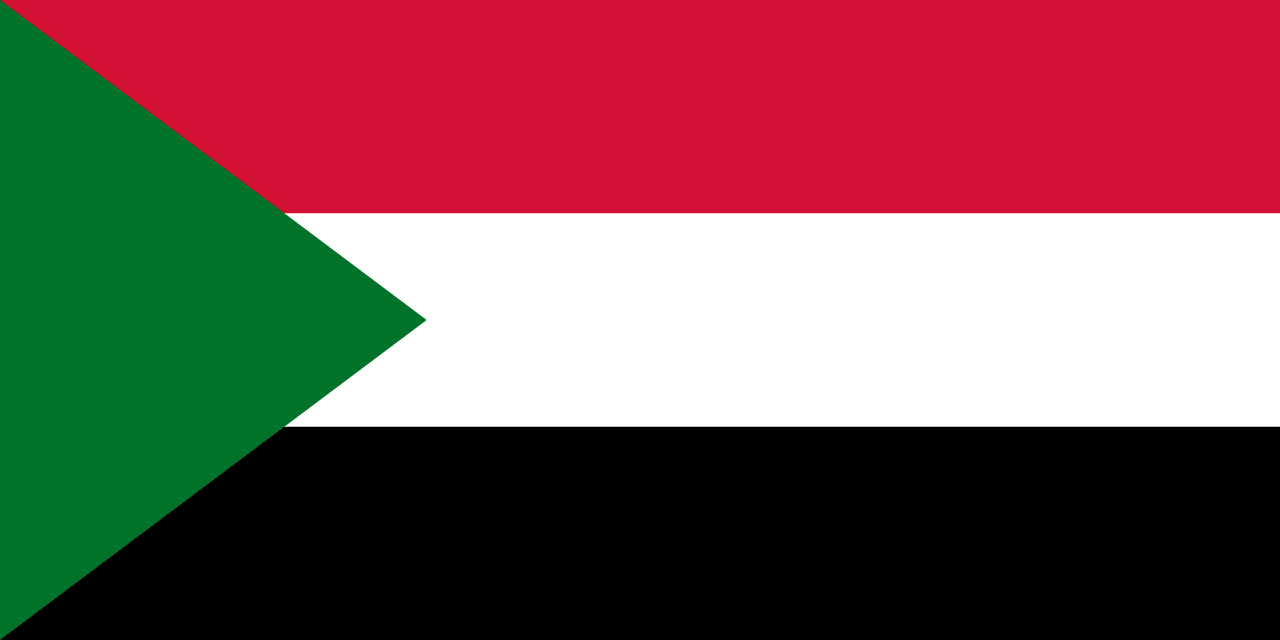
Drones are now the biggest killer of Sudanese civilians this year, and the companies selling them are getting rich. Africa's governments are watching.

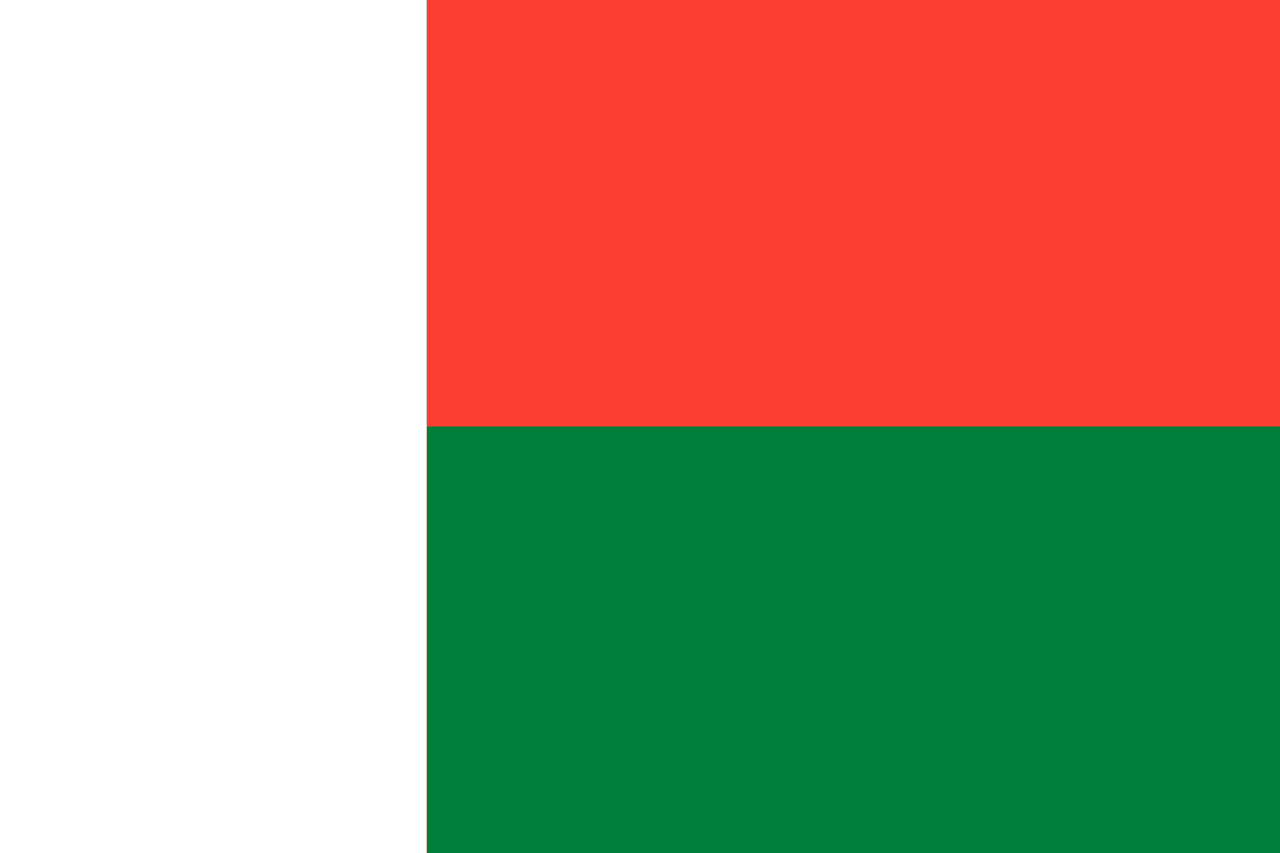
Africa Corps mercenaries form Madagascar's presidential guard. Moscow is weaving its web, Beijing is arming the continent, and the Malagasy people are footing the bill.

Manganese, cobalt, platinum, graphite: our riches travel through corridors contested by Kigali, Beijing, Abu Dhabi and the Western capitals. Meanwhile, our peoples pay the price.

Solar panels and turbine parts are arriving from China by the shipping container. South Africa's factories are not keeping pace. Who really owns the green transition?

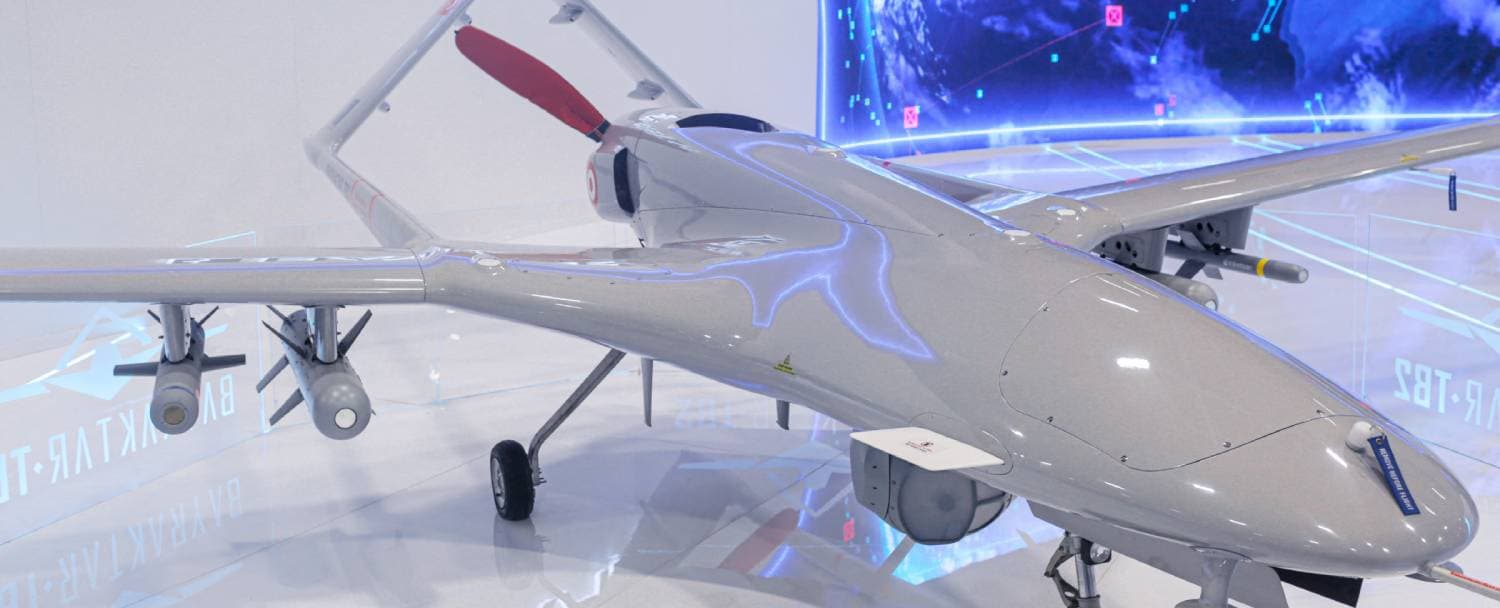
Turkish and Chinese drones are bombing Congolese towns while Rwanda's army hides behind a rebel mask. Africa's juntas are buying the same weapons.

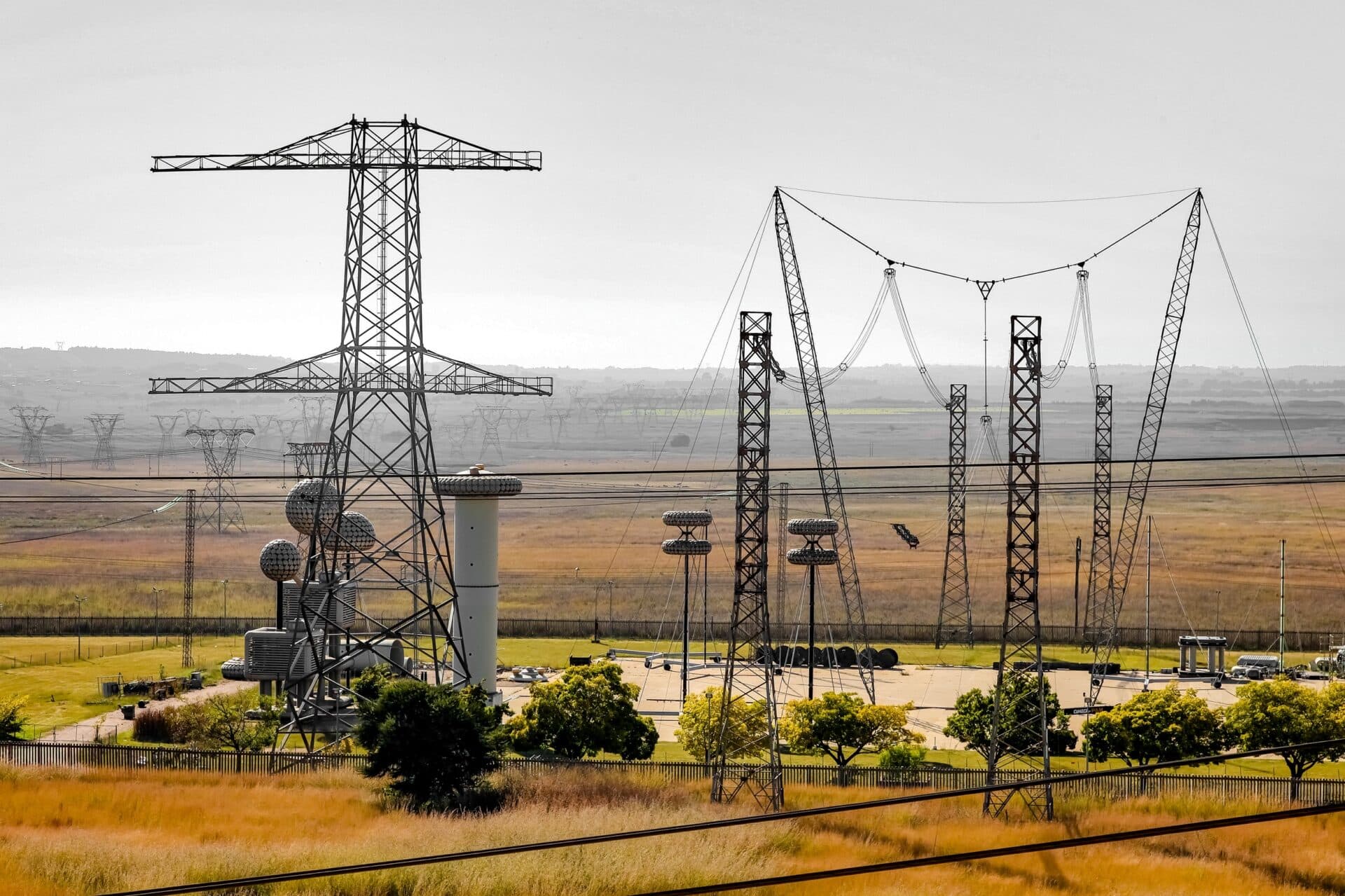
Zambia Beholden to Chinese creditors, the power utility mirrored Zambia, one of the world’s most indebted countries and the first in Africa to default on its sovereign debt during the COVID-19 pandemic. As the country’s largest state-owned company, ZESCO was a significant contributor to Zambia’s overall debt. Now, newly revealed documents show how Chinese lenders, working with Chinese contractors in Zambia, piled loans onto the country and its ailing state-owned enterprises. When it came time fo
Africa holds the minerals that will power the green future, yet the value is refined, owned and banked far from our soil. Who will be held accountable for that?

Chinese firms build the dams, sell the solar panels, and hold the loans. Africans deserve to see the contracts before the lights come on.

China and the United States are fighting over our minerals, ports and security, while African citizens pay the bill and are rarely asked what they want.

Namibia turned down a $100 million Chinese loan and borrowed $300 million from the African Development Bank instead. Why aren't more of our governments doing the same?

Russia, China, the UAE and their BRICS partners are bargaining over Africa's power, minerals and debt while some 600 million Africans still live without electricity.

Russia, China, the UAE and India are fighting over Africa's minerals, markets and votes. Not one of them has to answer to a single African voter.

A revolution in unmanned systems is reshaping the dynamics of Africa’s armed conflicts. Professional militaries must balance the tactical advantages of drones with an understanding of their limitations and risks. Ethiopian soldiers attend a drone piloting training program organized by the Chinese Ministry of Public Security at an aviation school in Beijing. (Photo: Xinhua via AFP/Xing Guangli) General Abdel Fattah al-Burhan, leader of the Sudanese Armed Forces (SAF), survived a drone-launched as

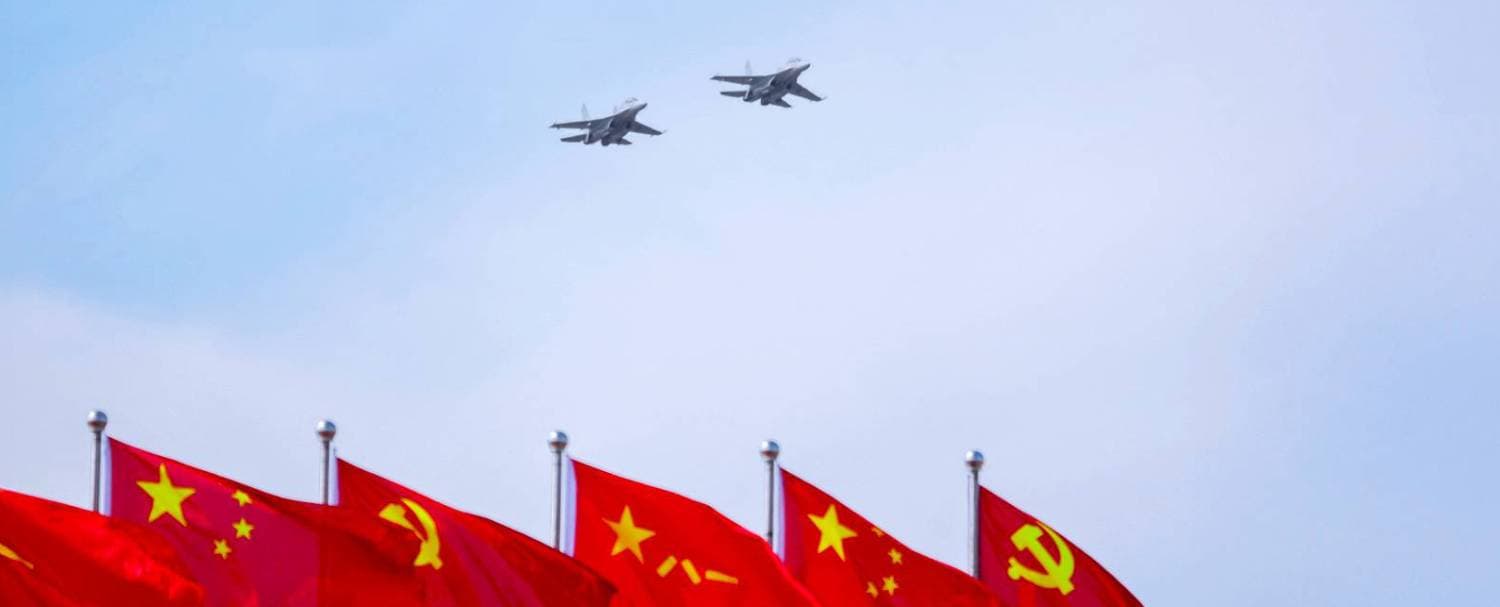
China flew six J-16 fighters and two refueling tankers across two continents to test them against Western jets. Africa is the test range, and we were never asked.

Chinese firms operate, finance, or hold stakes in roughly one-third of African ports, and most of those deals are hidden from the public. Who signed them, and who pays?

China is now West Africa's biggest arms supplier, equipping juntas that the AU and ECOWAS have suspended, while training our police to crush dissent.

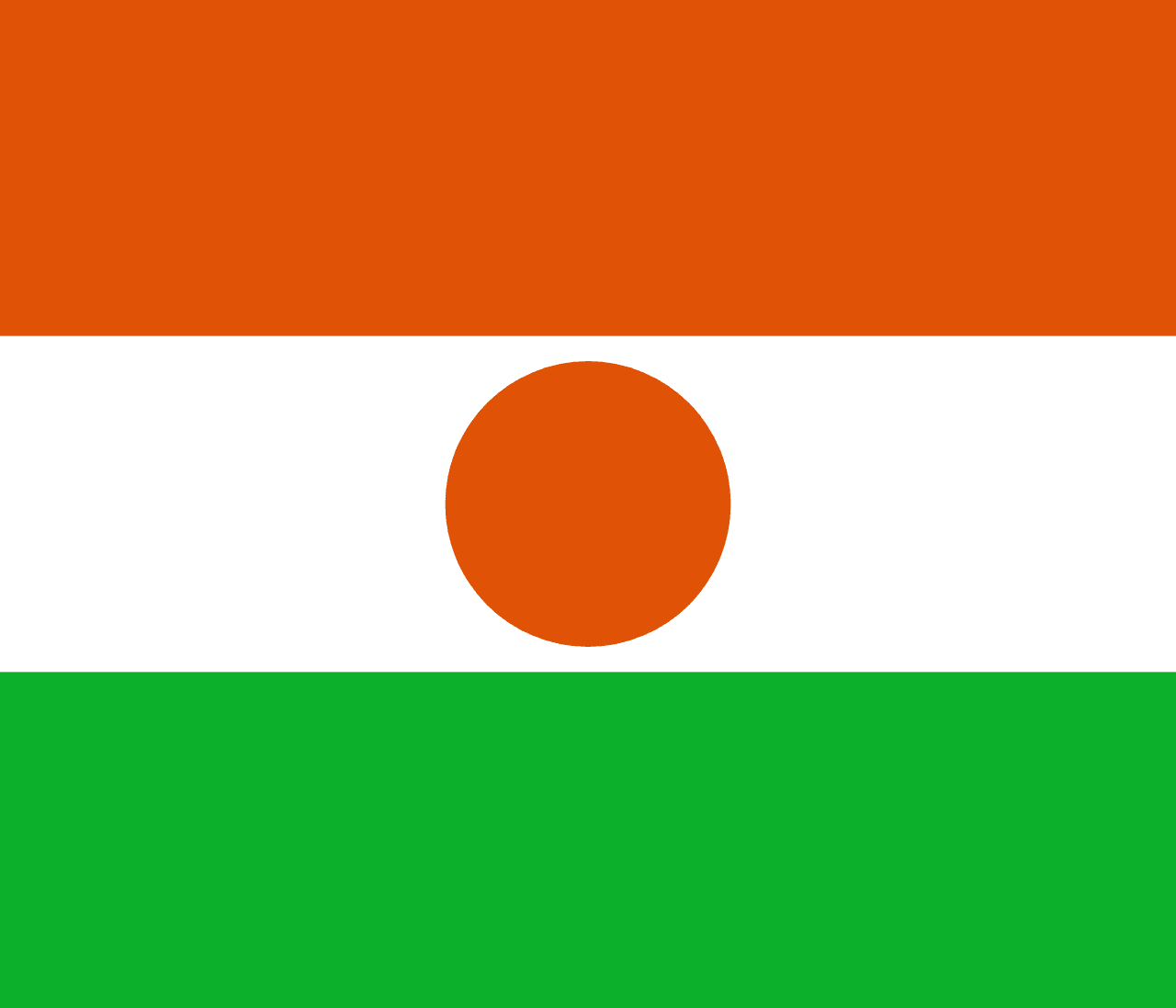
Beijing handed Niger's junta a $400 million lifeline and snubbed the African Union. Now its pipeline is bleeding oil and its engineers are being expelled.

Six African states now get more than 90 percent of their weapons from Beijing. Who in those capitals is protecting the citizen, and who is protecting the regime?

Chinese state firms are involved in 78 African ports across 32 countries. One commercial harbor in Djibouti became a military base. Our governments are signing contracts without asking who will hold the keys.

China refines 87 percent of the world's critical minerals while African communities inherit the debt, the poisoned rivers, and the poverty. African governments must stop pretending this is partnership.

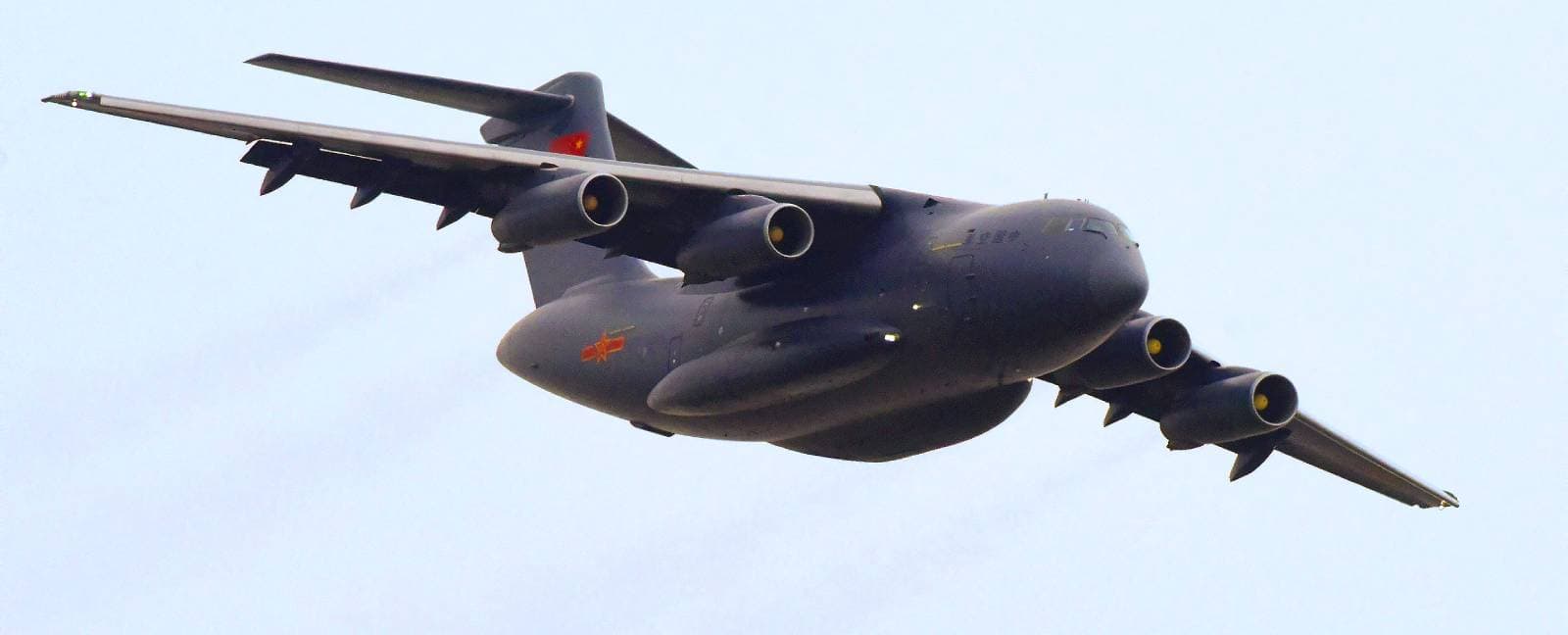
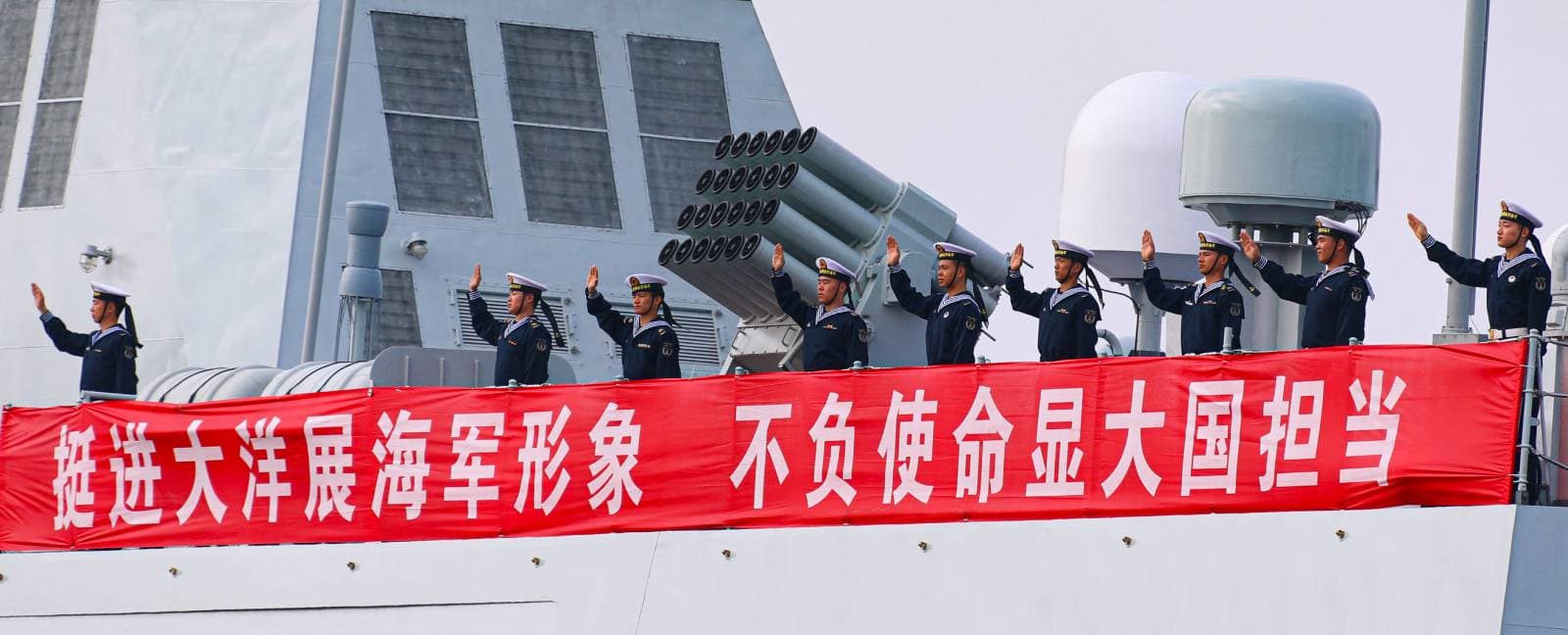
China is leveraging its military training exercises with African forces to advance China’s expeditionary capabilities and geostrategic ambitions. English | Français | Português | Kiswahili | العربية A PLA Air Force Y-20 military transport aircraft. (Photo: AFP/ImagineChina/Liang Jucong)

China is the largest bilateral lender to Africa, and many of the contracts that bind our governments to it remain sealed from the citizens who will repay them.

Beijing is training thousands of African officers and party officials in its model of single-party control. Our parliaments and militaries should be asking who is paying for those lessons, and what they cost us.

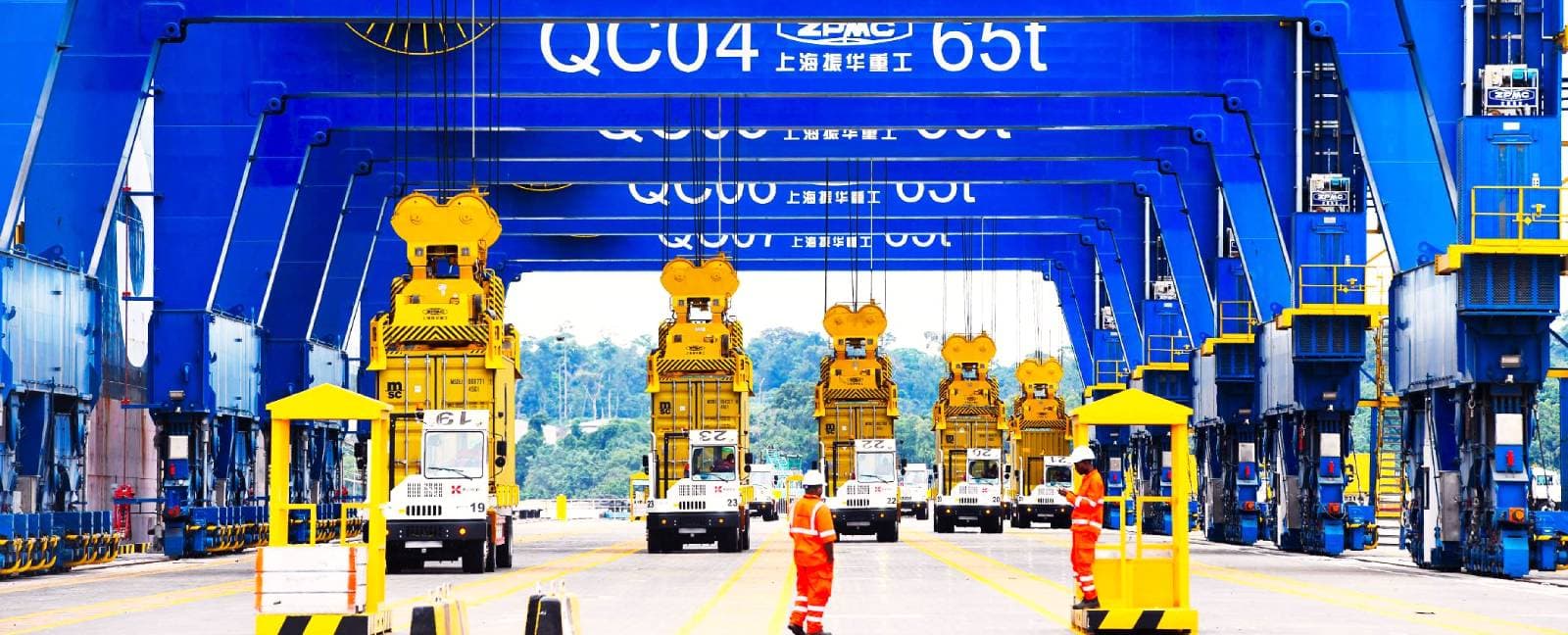
Chinese SOEs serve as tools of national power—securing minerals, building alternative corridors to China's economy, and shaping long-term influence—with far-reaching implications for African citizen interests and development. The Kribi Deep Seaport in Kribi, Cameroon, constructed by the China Harbor Engineering Company Ltd. (Photo: AFP/Xinhua/Kepseu) China's major state-owned enterprises (SOEs) are not simply companies but extensions of China's national power. China has the largest state-owned e