drc-conflict
Rwanda's War Is Emptying Tanganyika, and Kagame Owns It
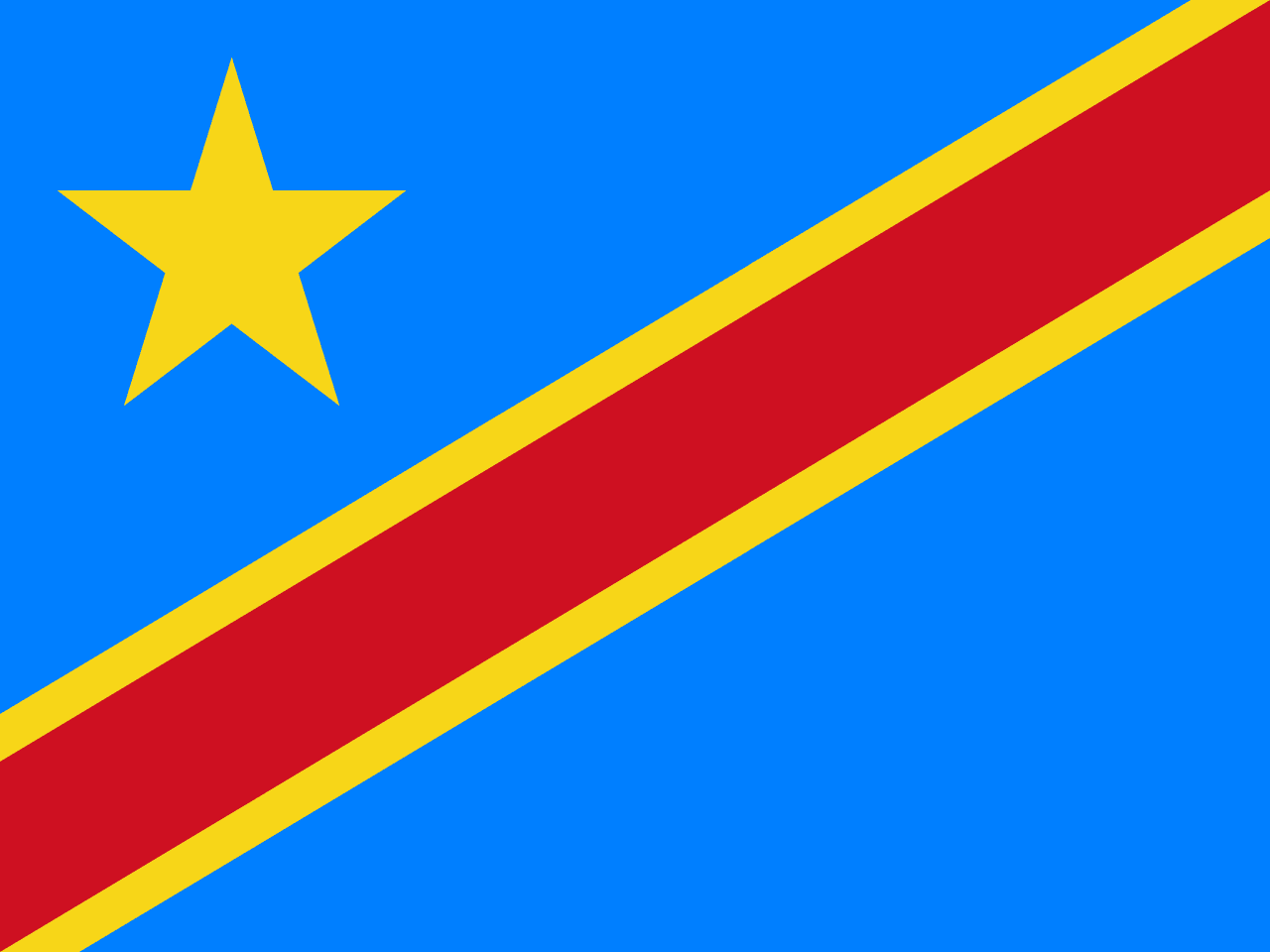
Count the families. Count the children carrying cooking pots on their heads down dirt roads, the old men who cannot walk fast enough, the mothers who left a husband's body unburied because the shelling would not stop. That is what a displacement tracking report looks like when you stop reading the table and start seeing the people in it. Every movement recorded in Tanganyika province is a household that was forced to run from its own land because someone with a gun decided it could be taken.
We need to say this plainly, because the diplomatic language has become a cover for the crime. The fighting that drives these displacements is not a local dispute, and it is not a spontaneous rebellion. It is a war of aggression waged by the Rwandan Defence Force, which has deployed full combat units inside eastern Congo and uses the M23 movement as a proxy and a shield. Rwanda's soldiers are the operational core of this campaign. M23 supplies the mass manpower and the cover of deniability. The model is the one Moscow used in Donbas: send your army, dress it in local faces, and call the occupation a civil war.
The UN Group of Experts has documented this in report after report, including S/2025/446 and S/2026/466. Its findings describe RDF units with artillery, command structures, and logistics inside Congolese territory, supplied through Rwandan channels. Independent researchers have tracked the drone strikes launched from Rwandan soil, including Turkish-made TB2 drones operating from Kamembe airbase, and the Israeli-designed GPS-guided mortars that have rained on towns across North and South Kivu. A sovereign state does not need those weapons to defend its own border. It needs them to conquer someone else's.
Now look at what the war has cost. Satellite imagery of the Kanombe military cemetery near Kigali shows more than 1,171 new graves dug since 2021. Rwanda's government buries its dead quietly because admitting the numbers means admitting the war. Meanwhile M23's ranks have swelled from around 3,000 fighters to more than 30,000, and the difference was filled by forced conscription. Tens of thousands of Congolese civilians and captured prisoners have been press-ganged into uniform, given a rifle, and sent to the front. That is slavery in camouflage, and it is the reason the displacement numbers in places like Tanganyika keep climbing. Every conscript was taken from a village. Every village that refused was burned.
Tanganyika is not an isolated theater. It sits inside a wider pattern of violence that has turned eastern and central Congo into a permanent emergency. The International Organization for Migration counts roughly seven million Congolese internally displaced, one of the largest displacement crises on earth, and the figure does not describe a natural disaster. It describes a policy. Armed groups, ethnic militias, Wazalendo fighters, and foreign-backed forces move through the same districts, and the civilians who pay are always the ones who had nothing to do with any of it. Children miss school for years. Farmers abandon fields that would feed their own towns. Clinics close when the staff flee.
Who benefits? Follow the minerals. Congo's cobalt, coltan, tin, tungsten, and gold keep moving out through smuggling routes that the Group of Experts has repeatedly traced back to Rwanda. Congolese people do not get the wealth. They get the bodies, the graves, and the empty villages. And the same Rwandan government that sends its army across the border hosts global conferences, runs gorilla tourism campaigns, and polishes its image as a model of order and development. We are asked to admire the clean streets of Kigali while the roads of Tanganyika are lined with the displaced. That is sportswashing at its most obscene: a regime using the beauty of its capital to hide the blood spilled next door.
Here is the uncomfortable truth we also owe our readers. Congo's own government, its security forces, and its political class have failed their citizens for decades. Corruption has hollowed out the army. Elections have been delayed and manipulated. Some armed groups have been tolerated or co-opted because they were useful to Kinshasa. None of that excuses Rwanda's invasion. But it does mean that the solution cannot be only a stern communiqué from abroad. It has to include a Congolese state that can actually protect its people, pay its soldiers, and answer to its citizens.
Africa already has proof that better is possible. Botswana built one of the continent's most prosperous economies on diamonds by insisting on transparent contracts, strong public institutions, and an independent judiciary. Mauritius climbed from a sugar-dependent island to a high-income economy by protecting property rights and opening its markets. Senegal, in 2024, showed that a population organized around the ballot box can reject a president who tried to cling to power, and then hand power peacefully to the opposition. These are not perfect countries. They are countries that understood that strong institutions are the foundation of prosperity and peace.
So what must happen now? The African Union Peace and Security Council must stop issuing statements and start naming the RDF's presence for what it is, an occupation, and it must demand immediate withdrawal with a verification mechanism that does not depend on Kigali's word. The UN Security Council must enforce its arms embargo in practice, sanction RDF commanders and the officials financing M23, and mandate independent monitoring of the mineral supply chains that fund this war. Western governments that lecture Africa about democracy must stop pretending they do not see the troop movements, the drone flights, and the smuggling routes. If you believe in the rule of law, apply it to the invader, not only to the victims.
The Congolese government must also do its part. It must restore discipline in its army, end the use of militias as cheap substitutes for real security forces, publish its budgets, and give displaced families a path back home with land rights and protection. Civil society in Kinshasa, Goma, Bukavu, and Kalemie must keep documenting abuses, because truth is the first casualty of every war and the last thing a regime wants preserved.
And we, as Africans, must refuse to be spectators. Ask your MP what your country has said about Congo this year. Ask your newspaper why the displacement figures are buried on page nine. Share the UN reports. Demand that your government vote for accountability at the African Union and the UN. Support the journalists and researchers who are counting graves from space because the official record will not do it.
Seven million people did not choose to become refugees in their own country. Tanganyika's families did not choose the war that is emptying their villages. The question is not whether the world knows. The question is whether we, the people of this continent, will keep accepting an invasion dressed up as politics. We should not. Name the invader. Demand the withdrawal. Make every capital that claims to care put its money where its mouth is.
Based on reporting by RELIEFWEB