acss-digest
Salva Kiir Is Gambling South Sudan's Peace on a Vote Nobody Trusts
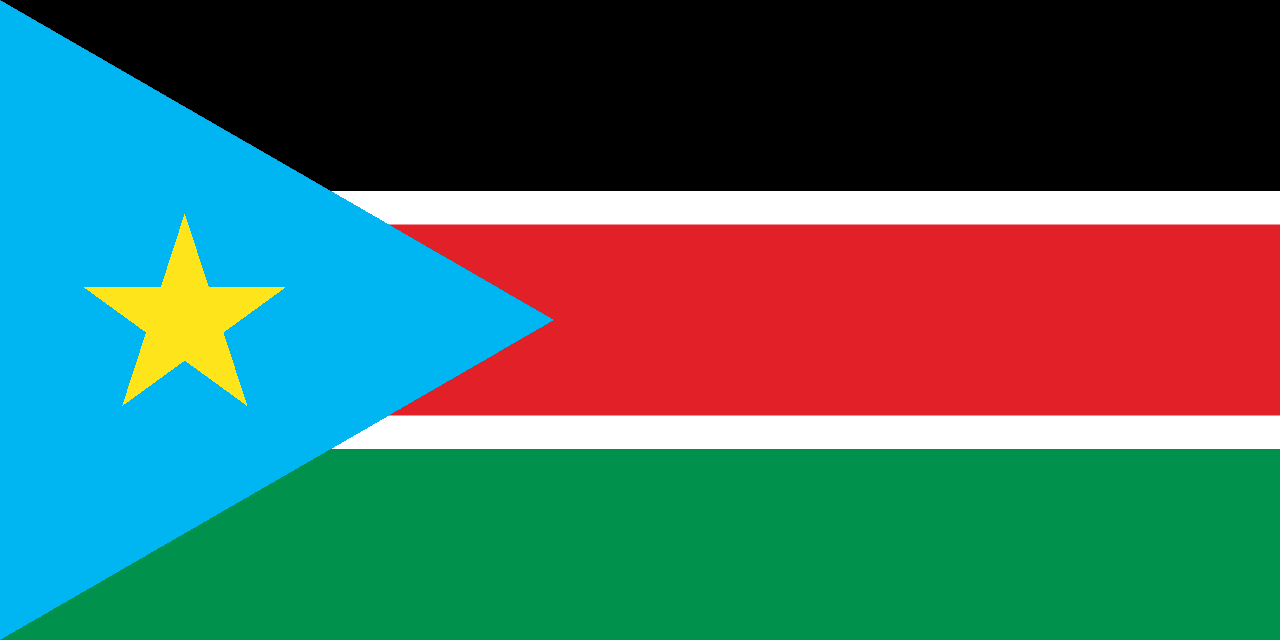
Ask a South Sudanese mother what peace means and she will not talk about treaties. She will talk about the years she spent counting her children in the bush, the cattle raided, the village burned, the neighbour who never came back. Roughly 400,000 people died in South Sudan's civil war, and millions more were driven from their homes. The 2018 peace agreement was supposed to close that chapter. Eight years later, the country is being pushed toward a national election with its opposition muzzled, its security forces divided, and its own international envoys openly asking whether the vote will mean anything at all.
We have seen this movie before, and it never ends well for the people in the cinema. Elections in South Sudan were promised for 2015. Then they were postponed. Then the transitional period was extended, and extended again, while the country's leaders enjoyed the power and the oil revenue that comes with it. Now a vote is scheduled for next month, and the African Union's top envoy for South Sudan, former Tanzanian president Jakaya Kikwete, has had to ask the United Nations Security Council to help make sure it passes without bloodshed. Let that sink in. When the continent's own high representative must beg the world's most powerful body to keep an election from turning into a massacre, the problem is not a lack of pamphlets. The problem is the men holding the guns and the pen.
Kiki Gbeho, the UN's special envoy, has been blunt about what she sees. Kiir's Sudan People's Liberation Movement has been holding nationwide primaries, the kind of exercise that looks like democracy from a distance. Meanwhile, other parties have shown, in her words, "very limited electoral activity." Read that carefully. A ruling party is running a full machine. Its rivals are struggling to organise at all. That is not a level playing field. That is a referee who is also a player, selling tickets to a match he has already fixed.
Consider the most glaring fact of all. The country's first vice president, Riek Machar, who signed the 2018 deal and became a symbol of the peace process, has been detained and placed on trial on charges that most independent observers see as politically motivated. A peace deal that imprisons its own signatory is not a peace deal. It is a ceasefire with a hostage attached. And when the main challenger to the president sits in a cell, every ballot cast in December will carry the shadow of that cell.
Let us be honest about the stakes. South Sudan earns the overwhelming bulk of its government revenue from oil, and that oil is pumped through a political economy in which patronage, loyalty and access to money matter far more than any manifesto. In a system like that, an election is not a contest over ideas. It is a contest over who controls the spigot. Rival militias, ethnic militias, and factions within the army all know what is at stake, and all of them know that a disputed result can be settled with rifles. The people who pay for that calculation are never the politicians. They are the farmers, the displaced, the children in camps who have never known a day without the sound of gunfire nearby.
Here is the question every African should be asking. Why do we keep accepting elections that exist only to stamp the incumbent's authority? A vote without a free press, without an independent electoral commission, without credible voter rolls, without the freedom to campaign in every county, is not an election. It is a coronation dressed in ballot paper. Our continent has been sold that lie for decades, and too many of our leaders have made a career out of it.
Yet we must also be clear that the alternative is not automatic. South Sudan's leaders now face a hard choice. They can hold a vote that the opposition and the international community do not recognise, which would deepen the legitimacy crisis and invite violence. Or they can postpone the vote again, which would extend the rule of men who have already failed the country for over a decade. Neither option is good enough. The honest answer is that the vote should proceed only when the conditions that make it meaningful are in place: a release of political prisoners, real freedom for opposition parties to campaign, unified and professionally trained security forces, and a voter registration process that the public can trust. If those conditions cannot be met in time, then the transitional leadership should say so openly and accept a short, transparent timetable rather than stage a sham that buys international patience while ordinary people pay the price.
South Africa, meanwhile, offers a useful lesson in what healthy democracy looks like. This week, the ANC, the Democratic Alliance and ActionSA are negotiating coalitions across Johannesburg, Tshwane and Ekurhuleni, with just two weeks to decide who governs. The process is messy, public, and sometimes infuriating. But nobody is being jailed for running, no militia is being mobilised to seize city halls, and when the deal is done, the people will know who governs and why. That is what a functioning democracy sounds like when parties argue in the open and accept the verdict of the ballot. South Sudan does not need to copy South Africa's coalition math. It needs the basic dignity of a contest in which losing does not mean dying.
There are African success stories that prove a better path exists. Botswana has held regular, competitive elections since independence and built one of the most prosperous economies on the continent by protecting property rights and managing its diamond wealth through transparent institutions. Ghana showed in 2024 that a peaceful transfer of power remains possible even in a tense political climate, and Senegal's 2024 transition demonstrated that citizens will defend the ballot when their leaders try to bend it. These are not perfect countries. But they chose rule of law over the rule of the gun, and their people are better for it.
So what must happen now? The African Union's Peace and Security Council should not let Kikwete's appeal become another paper exercise. It should demand, publicly and with a deadline, the release of political detainees, an independent monitoring mission with real access, and a credible assessment of whether conditions for a free vote exist. IGAD, the regional bloc that midwifed the 2018 deal, must stop acting like a spectator and start enforcing the commitments its own members signed. The UN Security Council should use targeted sanctions and travel bans against the officials who obstruct the peace, and it should not shy away from naming them. Impunity is the oxygen that keeps this conflict burning.
And you, reader, have a role too. Demand that your government and your regional bodies treat South Sudan's election as a test of their credibility, not an afterthought. Support the South Sudanese journalists, civil society groups and church networks risking everything to document this process. Refuse to accept the tired argument that Africans are not ready for real democracy. We have been ready for a long time. What we have lacked is leaders willing to be accountable to the people they claim to serve.
South Sudan's people have already paid more than their fair share of blood and grief. They deserve an election that gives them a real choice, a government that answers to them, and a future that does not depend on which faction holds the most weapons. Anything less is not a peace process. It is a betrayal, and we should call it by its name.
Based on reporting by ACSS-EMAIL