sudan-conflict
Juba and UNMISS Knew Two Weeks Ahead and 213 People Died
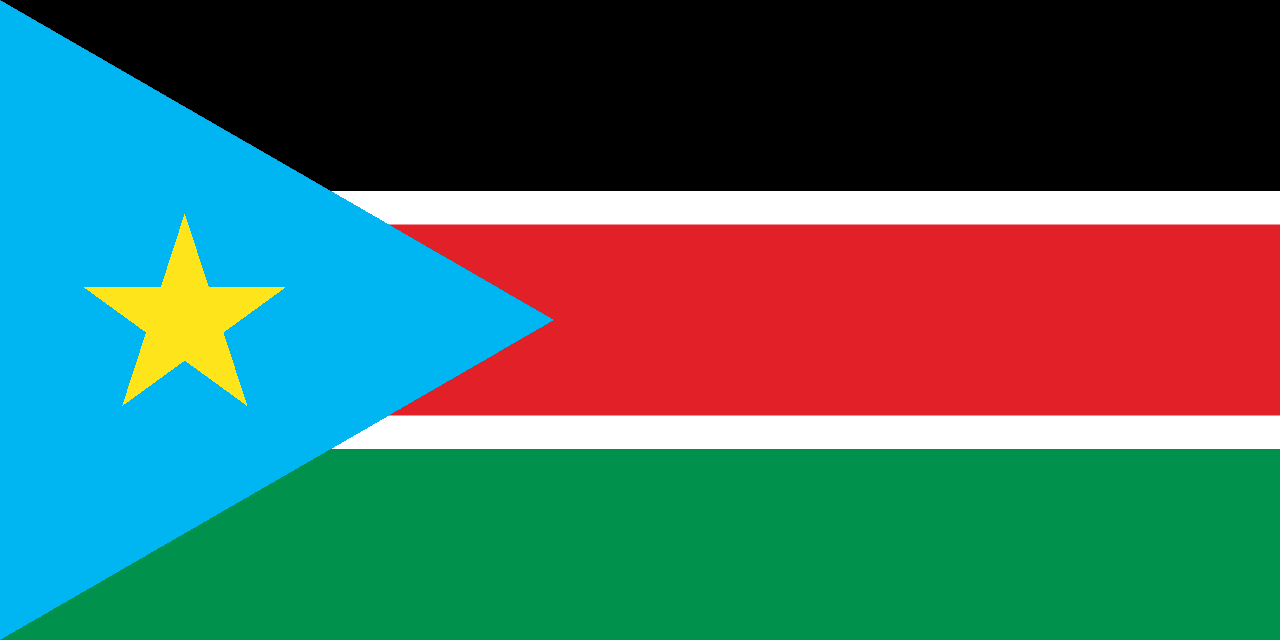
Two hundred and thirteen people were killed in Abiemnom on the first day of March 2026. Mothers were shot in the back of the head while clutching their infants. A ten-year-old girl was gunned down as her mother tried to drag her out of the fighting. And the officials who could have stopped it had been warned.
Let that sink in. Two weeks before the attack, the South Sudanese government and the United Nations Mission in South Sudan, UNMISS, knew something terrible was coming. Local officials in Unity State later acknowledged that authorities were aware of the threat. Survivors said there had been whispers, and then warnings, that young men in Mayom County were gathering weapons and fighters. Nobody moved fast enough. So on the morning of 1 March, between 1,000 and 1,500 armed men walked into a town of families and spent four hours killing.
Amnesty International's new report, *The Abiemnom Massacre: Inaction and Impunity in South Sudan*, documents what happened next, and it should make every one of us furious. Researchers interviewed 76 survivors and witnesses in Abiemnom, Abyei and Juba, reviewed satellite imagery, and verified video and photographs from the attack. The South Sudanese authorities report a death toll of at least 213: 130 town residents, 76 members of the security forces, and seven foreign nationals. Most of the dead were buried in two mass graves dug side by side on the edge of town. Over 230 structures were burned to the ground. The market was torched. The local hospital was ransacked, and the attackers carried off medical supplies and mattresses from the wards.
The details are where the horror lives. Twenty-year-old Adut was hiding under a bed with her family when attackers pulled her cousin Kuol out and shot him in the head. Nyandeng, a 47-year-old mother of seven, survived, but her daughter-in-law did not. She was shot in the back of the head while holding her youngest child, and her two sons watched it happen. Akuol was fleeing with her two daughters when her ten-year-old, Ayen, was shot dead. Witnesses told Amnesty that some victims were executed at close range after they had already been captured or wounded.
Now consider where many of them were trying to run. Around 1,000 people had already sought shelter at the UNMISS Temporary Operation Base on the edge of town after violence escalated 48 hours before the attack. When the killing started, residents ran toward those gates believing that a United Nations peacekeeping base meant safety. Amnesty documented seven killings outside the rear gates of that base, some directly at the entrance, others only metres away. A local leader described the scene plainly: people running toward UNMISS found armed groups waiting for them, and the shooting continued.
This was not a surprise attack in the sense that the world could not have known. Abiemnom had been struck before. A similar deadly assault hit the town in April 2025. UNMISS later deployed 40 additional Formed Police Unit personnel to reassure the community, but those reinforcements arrived after the bodies were in the ground. Why are they only sent after the killing? Why did the mission acknowledge that tensions had been high since mid-February and still fail to act? UNMISS has said it took steps before, during and after the attack. The question is whether those steps were enough to protect the people who trusted them, and the evidence says they were not.
And the government's response has been silence. Amnesty sent two letters to the South Sudanese authorities requesting information on its findings and received no reply. Requests to UNMISS and other UN offices went unanswered too. Survivors told researchers in late March that they would not return to Abiemnom without credible assurances of protection from the state. Months later, the town remains largely empty, its people living in displacement sites while the men responsible have faced no court.
Let us be clear about what this is. This is not an isolated tragedy. It is the predictable outcome of a system that rewards impunity. When an armed group can mobilize more than a thousand fighters, overrun a town in four hours, and walk away without consequence, every armed actor in the country learns the same lesson. The killing of young men in one county becomes a license for the massacre of families in another. And the cycle of revenge that Amnesty describes, fed by impunity for previous attacks, is the same cycle that has bled South Sudan since its independence in 2011.
South Sudan's leaders signed the Revitalized Agreement in 2018 and promised accountability. They promised a hybrid court for atrocities, a framework that was agreed in 2015 and has still not been established. They have repeatedly postponed national elections, pushing back the democratic reckoning that a country like this needs. Each postponement sends a message to the armed men of Unity State and beyond: the rules do not apply to you, and the people who write them will not come for you.
So what must happen? First, the South Sudanese government must launch a prompt, independent, impartial investigation into the Abiemnom massacre and publish its findings. That means naming the commanders who mobilized these fighters and the officials who ignored the warnings, whatever their rank or ethnicity. Those suspected of criminal responsibility must face fair trials that meet international standards. A parliamentary inquiry should examine the state's failure to protect its own citizens, and survivors must receive medical, psychosocial and livelihood support without delay. Reparations are not charity. They are the minimum a state owes to people whose children it failed to protect.
Second, UNMISS must submit to an independent review of its conduct before, during and after the attack, and it must publish the results. A peacekeeping mission that knows an attack is coming and still leaves people to die outside its gates has failed its mandate, and the public deserves to know exactly where and why. The African Union Peace and Security Council and the UN Security Council should make accountability for Abiemnom a condition of continued engagement with South Sudan's leadership, not a footnote in a briefing.
Third, there is a model worth copying. Botswana built one of Africa's most stable democracies by insisting on independent courts, transparent public finances and peaceful transfers of power. Mauritius has shown that rule of law and open markets reinforce each other. Senegal, after years of tension, demonstrated that an electoral process can hold when citizens and judges insist on it. None of these countries is perfect. But each proves the same thing: institutions that answer to the people, and not to the armed men, are not a luxury. They are how a nation keeps its children alive.
And now the call. South Sudanese citizens should demand, loudly and continuously, that their leaders name the men responsible for Abiemnom and bring them before a court. Civil society groups, churches, and women's organizations across the country, who already hold the moral authority of the communities they serve, should document every killing and refuse every attempt to bury it. Diaspora South Sudanese should press their governments and regional bodies to tie diplomatic and financial support to accountability. African citizens everywhere should ask their own governments a simple question: when a massacre of more than 200 people happens and the state and the UN both knew in advance, what exactly are you doing about it?
Abiemnom's survivors are not asking for pity. They are asking for truth, for justice and for the assurance that no mother will ever again be shot in front of her sons while a peacekeeping base stands a few metres away. We owe them more than outrage. We owe them our refusal to let this become another line in a forgotten report.
Based on reporting by RELIEFWEB