general
Saudi Arabia Shuts Kenyans Out Just as Kenya Beats Ebola
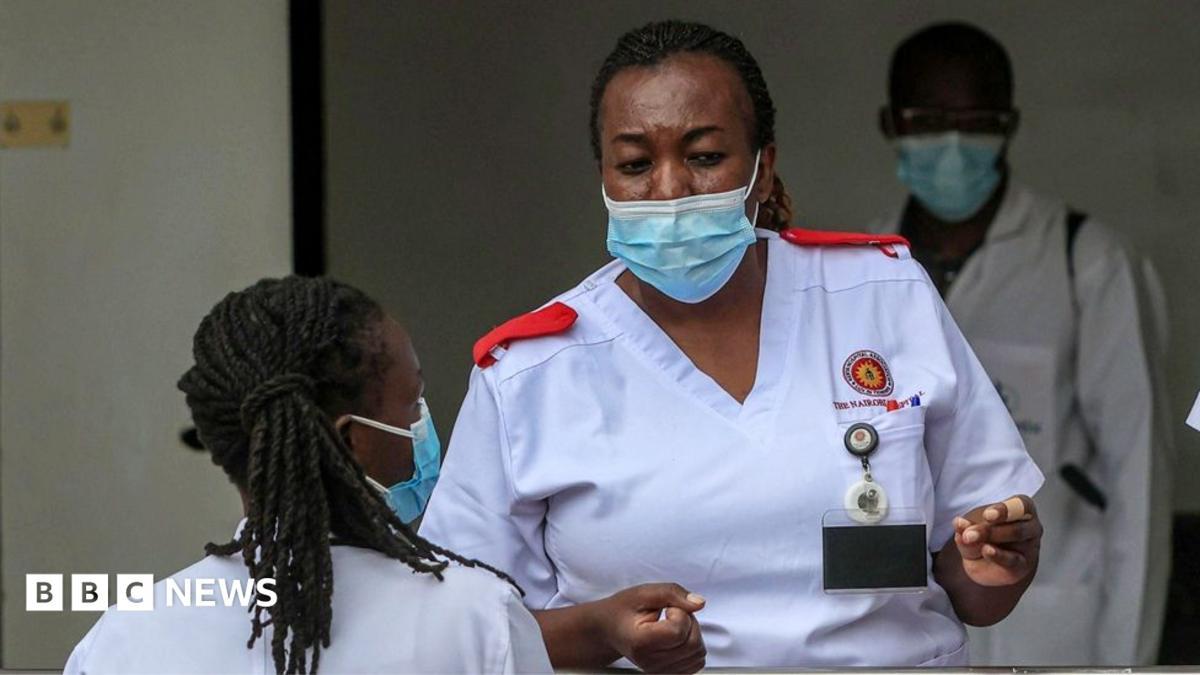
Kenya has done the hard thing. Its last Ebola patient walked out of isolation this week, the seventh person to recover from the virus on Kenyan soil. Not one new confirmed case has appeared since 20 October. Yet while Nairobi counts down the days, Riyadh has stopped issuing visas to Kenyan nationals, and Kenyan workers who were hoping for jobs in the Gulf now wait behind a closed door. The virus was contained. The punishment was not.
Ask yourself who pays when a disease crosses a border. It is not the minister in an air-conditioned office, and it is not the foreign diplomat who tweets concern from a safe capital. It is the nurse who treated a patient without enough protective equipment, the mother who lost a son within days of his arrival in Nairobi, and the family in a Kampala or Nairobi suburb who now must explain to their children why their father's contract was cancelled. Africa absorbs the sickness and then absorbs the stigma. We should refuse both.
Let us set the facts out plainly, because facts are what our critics always try to bury. Kenya confirmed its first Ebola case in early October 2026, when a Kenyan businessman died within days of reaching Nairobi. He had caught the virus in the Democratic Republic of Congo and passed through Uganda on the way home. His mother also died. From that single chain of infection, Kenyan health authorities traced and followed 135 contacts, all of whom have now finished their 21 days under monitoring. Four of the seven patients who recovered were healthcare workers, the people who stood between the virus and everyone else. Five patients were discharged on 3 November, a sixth followed three days later, and the seventh was cleared this week.
Now look at what the outbreak looks like at its source. In eastern Congo, more than 5,000 people have died since May in an outbreak of the Bundibugyo species of Ebola. This strain is relatively rare, and there is no approved vaccine and no approved treatment. Trials are underway, but for the families burying their dead, trials are a rumour of hope. Anyone who has followed the Congo crisis knows this is not an accident of nature alone. Eastern DRC is a region where the war has already displaced millions of people and where armed groups control territory that health teams can barely reach. When a clinic is abandoned, when a surveillance team cannot cross a front line, when a displaced family sleeps in a stadium with no clean water, a virus does not need a passport. It needs only a gap in the system, and the war keeps opening new ones.
This is the part our leaders must stop skipping over. Rwanda's government and the M23 movement it arms and directs have turned large parts of the Kivus into a battlefield, and the sick are paying for that choice. You cannot fight a war of aggression against your neighbour and then pretend you are running a public health programme. The same hands that keep the North Kivu roads closed to ambulances are the ones signing the peace communiqués in Washington and Doha. We see the contradiction. The world should see it too.
Now consider the response of those who claim to be Africa's friends. The Kenyan High Court suspended a US plan to open an Ebola quarantine facility for American citizens on Kenyan soil. Think about that. Washington's first instinct was to build a containment zone in an African country and staff it with Kenyan land, Kenyan labour, and Kenyan risk, while its own citizens were kept at a distance. Kenya's health minister, Aden Duale, has now said plainly that Kenya will not become anyone's quarantine centre. He is right. Our sovereignty is not a waiting room for other nations' anxieties.
The Gulf states have followed the same script with less diplomacy. Saudi Arabia halted visas for Kenyans in late October, leaving job-seekers in limbo. The United Arab Emirates lifted its suspension on new visas for Ugandans only after imposing a rule that they spend at least 21 days outside Uganda before travelling, and it carved out exceptions for students, diplomats, and embassy staff. Uganda declared its own outbreak over on 27 August. Yet Ugandans are still treated as walking hazards by governments whose economies run on African labour. Which one is it? Either the risk is real and managed, in which case lift the bans, or the risk is a pretext, in which case stop hiding behind health language. You cannot have it both ways.
Here is what our critics won't tell you: Africa has done this before, and done it well. When Ebola struck West Africa in 2014, Nigeria's response in Lagos contained the outbreak through rapid case tracking, a functioning emergency operations centre, and disciplined public communication. Senegal, which recorded a single imported case that year, stopped it from spreading through a fast, transparent response led by its own health professionals. Neither country had vast resources. Both had institutions that worked, leaders who told the truth, and citizens who trusted the instructions they were given. Those are the building blocks of any health system, and they are what the continent must build deliberately rather than improvise during each crisis.
So what must happen next? The African Union should convert Africa CDC's leadership into real financing, not photo opportunities. Jean Kaseya is right that surveillance must continue until the outbreak is officially over, but surveillance requires money for testing, cold chains, protective gear, and salaries for the health workers who do the tracing. Governments should put emergency health budgets into law, with independent audits published every quarter, so that funds cannot vanish into the pockets of officials who will be the first to demand foreign aid. Parliaments should write rules that bar any government from using a health emergency to suspend the constitutional rights of its own citizens or to host foreign quarantine camps without a parliamentary vote. The United Nations Security Council must demand unhindered humanitarian and health access to every part of eastern Congo, and it must name the armed actors and their foreign backers when they block that access. Donors who fund Congo's health system should attach conditions to the withdrawal of foreign forces, because a health corridor cannot run through a war zone.
And the Gulf states and Western capitals should lift every travel restriction that targets African nations, and they should do it now. Restrictions that single out Kenyans and Ugandans after those countries have contained their outbreaks are not public health. They are collective punishment, and they corrode the trust that every future outbreak will depend on.
Kenya has earned the right to be heard, and its people have earned the right to work, travel, and be treated as equals. Our demand is simple and it is not negotiable. Lift the visa bans. Fund the response. Stop the war that is feeding the epidemic in Congo. Hold every government to the standard it claims to honour. And every citizen reading this should call their MP, their senator, their ministry of foreign affairs, and their embassy in Riyadh and ask one question: when the virus was on our soil, did we stand up or did we stand aside? The next outbreak will come. Whether Africa meets it as a partner or a punching bag is a choice we are making today.
Based on reporting by BBC