sudan-conflict
Kiir Is Rushing Elections While 7.5 Million Go Hungry
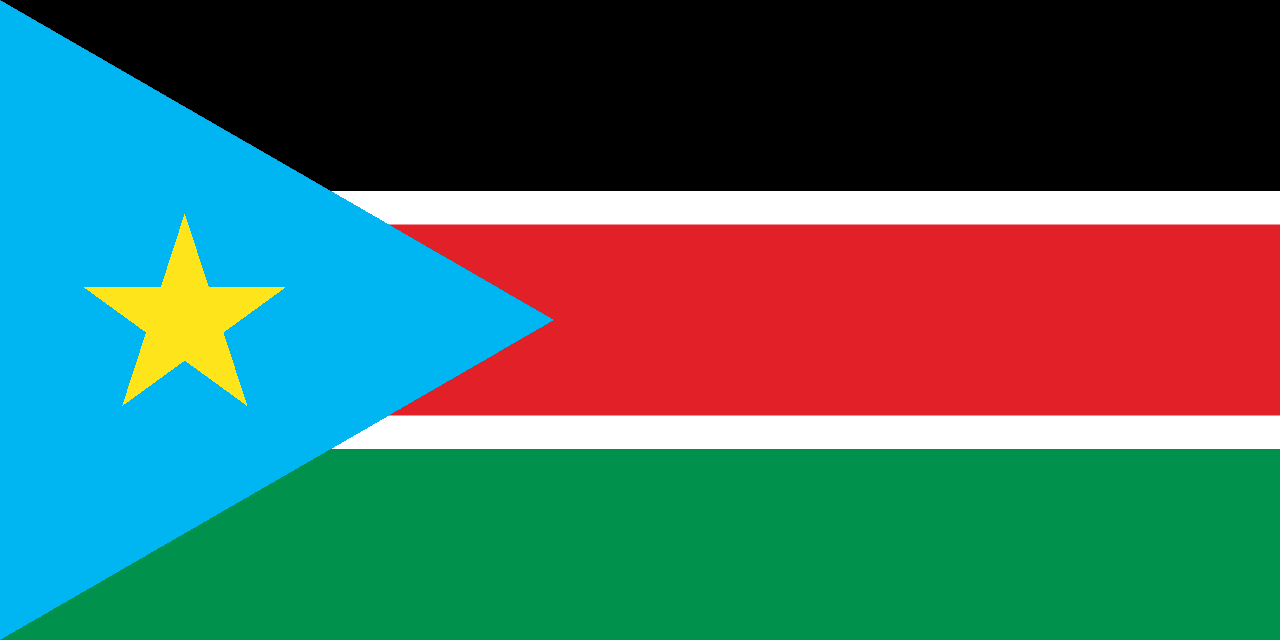
Forty-two days. That is how long South Sudan has until its first elections as a sovereign state, and it is how long the country's ruling elite has given itself to turn a fragile transition into a ballot box. Meanwhile, 7.5 million people are food insecure. Ten million need humanitarian help. Mothers in Jonglei are watching armed youth and local forces trade fire over grazing land and cattle, and nobody in Juba seems willing to pause long enough to ask who will protect them on December 22.
We have seen this movie before. A peace agreement is signed with fanfare. Deadlines are set. The people who signed it begin rewriting the rules to suit themselves. Then the country is told that the only way forward is to vote now, on the leadership's timetable, regardless of who is left out. South Sudan was born in 2011 out of a long fight for self-determination, and too many of its people still wait for the dignity that independence was supposed to deliver.
Consider what has happened this autumn. On 21 September, lawmakers adopted amendments to the National Elections Act. The very next day, the Transitional Government of National Unity was dissolved and replaced by a caretaker administration. The government insists these moves are about making elections happen. Maybe so. But when the institutions meant to hold a fragile coalition together are swept aside months before a vote, citizens have every right to ask whose interests are being protected.
The opposition is not in the room. The SPLM/A-IO says it will not take part in dialogue until Dr. Riek Machar is released. Whatever one thinks of Machar's record, a political process that excludes the main opposition force and keeps its leader behind bars is not a transition. It is a managed contest. The UN Special Representative, Anita Kiki Gbeho, told the Security Council on 10 November that the Inter-Party Dialogue's outcome remains pending and that the National Electoral Commission has serious questions to answer about security, logistics, and whether it can deliver credible elections in such a compressed window. Those are not the concerns of Western diplomats looking for an excuse. They are the concerns of anyone who has ever stood in line to vote and wondered whether their ballot would count.
Even the modest gains on women's representation have slipped. The Revitalized Peace Agreement calls for 35 per cent of positions to go to women. The recent political changes fall short of that target. In a country where women carry the burden of displacement, hunger, and sexual violence, shutting them out of decision-making is not a technicality. It is a choice, and it has a body count in the long run.
The violence itself has changed shape, and that should frighten us more, not less. Large-scale fighting between the principal signatories has declined. But killings, injuries, and displacement have risen this year. Communal violence now accounts for more than 60 per cent of reported civilian casualties. In Rumbek and Greater Tonj last month, violence reportedly left more than 140 people dead. In Unity State, rival factions within the SPLM/A-IO are fighting around Leer and Rubkona. In Jonglei, government and opposition-aligned forces are clashing alongside mobilized armed youth. Three UN peacekeepers were killed in August while on a mission in a Jonglei conflict zone. They died serving a country whose leaders keep promising peace and delivering new roads to the next battlefield.
Humanitarian access has worsened too. Constraints on aid workers and UN operations have risen 38 per cent over the past year. UNMISS still faces movement restrictions along the Sobat River corridor, and delays in acknowledging Force protection requests have slowed Ebola preparedness and drought assessments in the Equatorias. Every obstacle placed in the path of a humanitarian convoy is a decision made somewhere, by someone, with a name. Ask the families waiting for food in Upper Nile whether those decisions are costless. They will tell you otherwise.
So how did we get here? Part of the answer is a political class that treats the state as a private inheritance. Part of it is a regional neighborhood where Sudan's war has pushed 1.4 million people across the border, and where a regional Ebola outbreak is adding fear to hunger. And part of it is an international community that often prefers the performance of diplomacy to the hard work of enforcement. The AU's C5+ declaration of 29 September called for an expanded, inclusive dialogue and the release of political detainees. Those are the right demands. The question is who will pay the political cost of enforcing them.
We cannot let South Sudan's future become a casualty of timetable politics. Elections matter, but elections without a functioning peace are just a scheduled crisis. Free and fair polls need credible electoral rolls, neutral security arrangements, an independent electoral commission with real funding, and the participation of every major party. None of that exists in 42 days. Pretending otherwise is how you turn a ballot into a weapon.
There are better models on this continent. Botswana built its prosperity on decades of disciplined governance, mineral revenues managed transparently, and a peaceful transfer of power that its neighbors envy. Mauritius shows what strong institutions, an independent judiciary, and open markets can do for a small country with a diverse population. Senegal has demonstrated, through peaceful transitions and an active civil society, that power can change hands without bloodshed. South Sudan needs its own version of these lessons: a clear, costed roadmap for the unfinished provisions of the Peace Agreement; a timetable that is tied to security benchmarks rather than political convenience; a transparent public accounting of revenues; and a judiciary strong enough to hold commanders and officials accountable for the massacres that have marked this country's history.
The AU, IGAD, and the UN should stop issuing communiqués and start setting conditions. Former President Kikwete's AU mechanism must be given teeth, with clear benchmarks tied to diplomatic and financial support. The UN Security Council should make UNMISS's freedom of movement a non-negotiable condition of its presence, and it should treat attacks on peacekeepers as the grave violations they are. Donors must stop funding humanitarian appeals without demanding access guarantees in writing. And regional leaders must stop treating South Sudan's crisis as a sideshow to their own rivalries.
But the loudest voice must be South Sudan's own. Citizens should demand that the release of political detainees be put on the table, that women's representation meet the 35 per cent commitment, and that the National Electoral Commission publish its readiness plan in full, not in press releases. Civil society groups, churches, and youth organizations across Juba, Bor, Malakal, Wau, and Rumbek should organize now, not in the final week before the vote. Private sector leaders who depend on stability should say plainly that a rushed election is bad for business.
We are Africans. Our continent has paid for too many elections that were signed off by men who never intended to lose. South Sudan's people have already buried too many sons, daughters, and neighbors to be told that hunger and firing lines are the price of a schedule. Ask yourself: if your family were living in a county where the next violent clash could begin tomorrow, would you call a December vote a milestone or a gamble? Then demand that your government, your regional bloc, and the UN treat it as a gamble and act accordingly. Make the calls. Sign the petitions. Hold the leaders to their own agreements. South Sudan's citizens deserve to be safer tomorrow than they are today, and that is not too much to ask.
Based on reporting by RELIEFWEB