sudan-conflict
South Sudan's Leaders Are Starving Four Million People to Fight Each Other
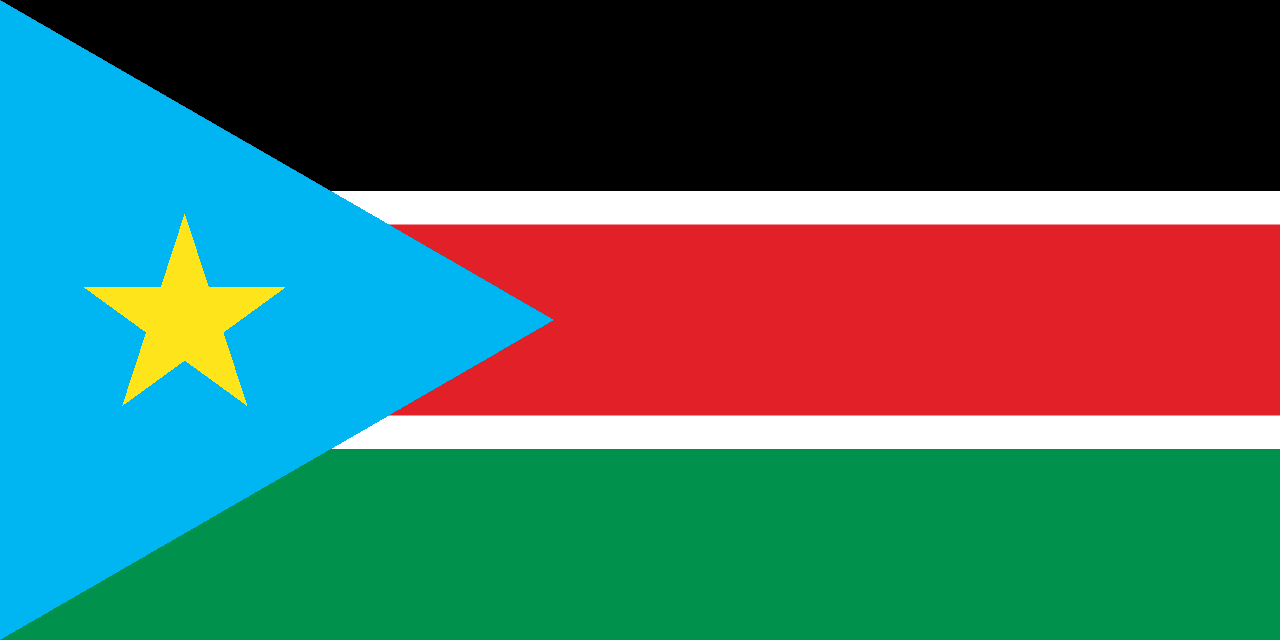
Four million people in South Sudan were hit by drought this year. Their rain did not come. The June-to-September rainy season was the driest since 1981, and more than 80 per cent of the country's land is in drought-like conditions. Crops are dead. Livestock is gone. Families who once planted, herded and traded now wait for food that is not coming. Ask any mother in Jonglei what hunger looks like and she will not need a report to answer.
Nature did not do this alone. Across the same months, South Sudanese were displaced by government and opposition forces fighting in Jonglei, by intercommunal killings in Warrap and Lakes, and by drone strikes in Abyei. The Famine Early Warning Systems Network has documented the drought. The Relief and Rehabilitation Commission has counted the displaced. What neither can measure is the decision to keep guns firing while the granaries stand empty. That decision belongs to people with names, offices and bank accounts. We should say their names out loud.
Consider what the evidence shows. On 22 October, fighting between government and opposition forces in Ayod and Uror counties drove families from their homes and forced aid agencies to suspend operations. In Uror, an international NGO pulled its staff out of the Pieri primary health-care centre, and communities lost their only nearby access to essential medicine. Nearly 700 people fled Nyirol and Uror to Malakal in a single month, walking with what they could carry. In Tonj South, intercommunal violence between 19 and 27 October displaced another 6,000 people. Since August, roughly 80,000 people have been uprooted in Warrap alone. In Lakes State, fighting between rival communities on 9 October reportedly killed at least 71 people and wounded dozens more. Seventy-one people. A market day turned into a funeral.
Then there is Abyei, where drone strikes on 19 October damaged Amiet Market and its surroundings and pushed more than 3,700 people toward Dokura. A market is where a village buys salt, sells goats and gets news. When it is bombed, the economy dies along with the people who depended on it. Authorities and partners have documented the damage. Those responsible must be named and held to account, not hidden behind the fog of a conflict nobody in power seems willing to end.
The health picture is equally damning. As of 31 October, 112,406 cholera cases and 1,728 deaths had been recorded across 55 counties. Cases are declining nationally, but transmission is still active in Fangak, Renk, Rubkona, Mayom and Pariang. Each of those 1,728 deaths was a child, a parent or an elder who died of a disease that clean water and functioning clinics prevent. Meanwhile, more than 5,100 people crossed from the Democratic Republic of Congo into Ibba County between July and mid-October, fleeing fear of an Ebola outbreak next door. South Sudan has no confirmed Ebola cases, and the WHO puts national readiness at 72.5 per cent. That is a figure that should embarrass every minister responsible for health. Preparedness at three-quarters means one-quarter of the country is exposed to a virus that kills through hemorrhage and terror.
Why does this keep happening? Because South Sudan has been governed as a prize rather than a trust since independence in 2011. Two civil wars, a peace agreement signed in 2018 and then slowly hollowed out, and elections postponed again and again have taught the country's elites a single lesson. Power is worth more than the people who grant it. Oil revenues, which should fund schools, roads and clinics, have too often funded militias, security contracts and private accounts. A government that cannot feed its people is not weak by accident. It is weak because it has chosen to be.
The opposition is no innocent party. Armed groups that fight for power while villages starve are not liberators. They are the same disease wearing a different uniform. Democracy is not a slogan a warlord can wave to justify his guns. It means a ballot box, independent courts, a free press and an army answerable to civilians. South Sudan has none of these in working order. And every time a commander calls a massacre "a political misunderstanding," the country slides further into the abyss.
We are told that Africa's problems are too complicated to solve. That is a lie told by people who profit from their persistence. Look at Botswana, which turned diamonds into schools and roads through transparent institutions and disciplined public finance. Look at Mauritius, which built a prosperous, stable democracy from a sugar economy and a commitment to the rule of law. Look at Senegal, where voters removed an incumbent through the ballot and peaceful transfer of power followed. None of these countries is a paradise. All of them prove that when institutions are real and leaders are accountable, African lives can be protected and African wealth can work for African people.
So what must South Sudan do? It must declare an immediate ceasefire under independent monitoring, with the African Union and IGAD verifying every violation. It must open humanitarian corridors that cannot be closed by any commander, and it must guarantee the safety of aid workers and clinics like Pieri. It must publish its oil revenue spending in full, with an independent audit that the public can read. It must set a binding electoral timetable and fund an independent electoral commission that answers to voters, not to the palace. And the courts must try those who ordered the killings in Lakes, Warrap and Abyei, regardless of rank or rebel affiliation.
The regional and international community has its own duty. The African Union should stop issuing statements and start imposing targeted sanctions on the individuals financing and directing violence, with asset freezes and travel bans. The UN Security Council should renew and strengthen arms embargo monitoring, because weapons that enter South Sudan through shadowy channels are the reason ordinary herders now carry rifles. Donor governments that lecture Juba about democracy must tie their aid to measurable reforms, not to photo opportunities. Foreign investors, whether from Europe, China or the Gulf, should be required to publish their deals and stop buying silence from ministers who sign oil contracts in secret.
Citizens have a role too. Civil society groups in Juba, Malakal and Wau must keep documenting abuses, because history is written by those who record it. Churches, traders and women's associations must press local leaders to protect markets, clinics and schools. And every South Sudanese who has a voice, in the diaspora or at home, must demand a single thing from their leaders: stop spending the country's future on your own survival.
Four million people are facing drought. Tens of thousands are fleeing violence. Thousands are dying of cholera that should not exist. The leaders who could stop this are choosing guns over grain. We will not accept that as normal. Demand a ceasefire. Demand a ballot. Demand an audit of every barrel of oil. Demand that the killers be named, charged and tried. South Sudan's people have already paid enough for their leaders' ambitions. It is time those leaders paid their debt.
Based on reporting by RELIEFWEB