think-tank
Rich Nations Promised Africa Climate Money and Delivered Lectures Instead
Africa contributes about 4 percent of the world's greenhouse gas emissions. Roughly 600 million Africans still live without electricity. Yet we are the continent asked to cut, sacrifice, and wait, while the countries that built their wealth on coal and oil negotiate our future in hotel conference rooms.
Ask yourself who pays when the rains fail. A farmer in the Sahel watches her millet wither. A fisherman in Mozambique loses his boat to a cyclone that grew stronger because the planet is warming. A girl in rural Malawi walks further each year for water. None of them drove the SUVs or lit the coal plants that changed the climate. All of them carry the bill.
Every year, the climate talks produce the same ritual. Developed nations restate their promises. African negotiators read out the same list of demands. Then the delegations fly home, and the money does not arrive. The 2009 Copenhagen pledge to mobilize $100 billion a year for developing countries was missed for more than a decade. The OECD eventually reported that the target was met in 2022, and even that figure was contested by analysts who counted loans as grants and recycled aid as climate finance. That is not a partnership. That is accounting theatre performed at our expense.
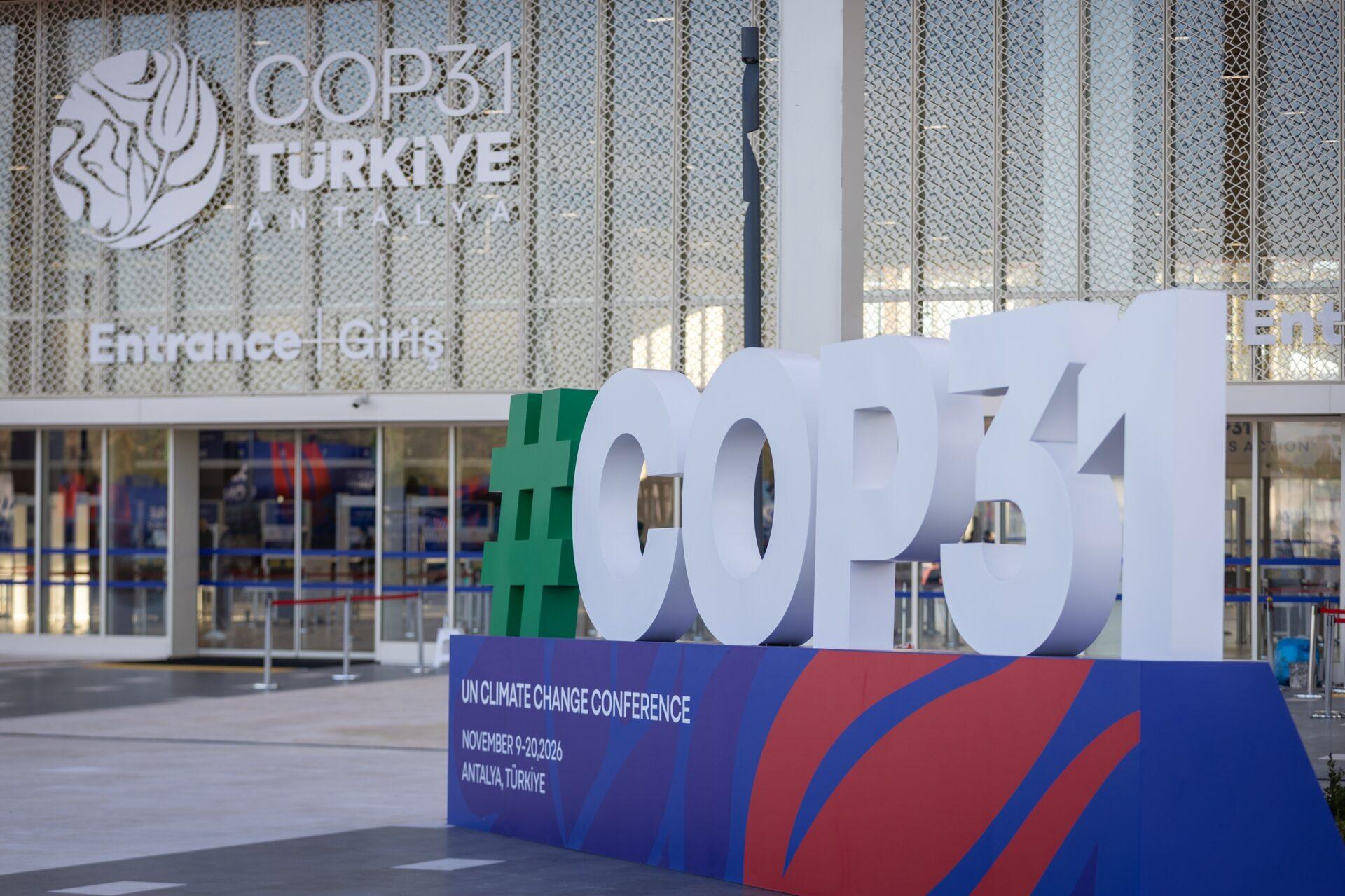
Now the 2026 negotiations move to Türkiye, with Antalya as the host city for COP31. Australia leads the negotiations, and the agenda is supposed to be about turning commitments into real projects on the ground. We should be clear-eyed about what that means. A host government that has seen its own emissions climb in recent years is asking African governments to trust that the promises made in its name will be kept. We have heard this before. We will not accept it without enforceable terms.
Look at what Africa actually needs, because it is not complicated. We need adaptation finance that reaches the farmers, the coastal towns, and the municipal water systems, not consultancy firms in Washington and London. The Glasgow pledge to at least double adaptation finance by 2025 was a commitment with a clear deadline. Africa deserves a public accounting of how much arrived, where it went, and who signed the contracts. We need the loss and damage fund, operational since COP28 in Dubai, to disburse quickly and transparently to countries already suffering floods, droughts, and heat that their citizens did nothing to create. We need the cheap concessional capital that rich countries keep promising and rarely deliver, because African borrowers now pay far higher interest rates than European or American ones for the same clean energy projects.
Here is the uncomfortable truth that the donors and the lecturers prefer to skip. Africa does not need to be rescued from development. It needs to be allowed to build. The continent holds some of the world's best solar resources, enormous geothermal potential along the Rift Valley, vast wind corridors, and the critical minerals the global energy transition demands. Yet too many African governments have been pushed into one of two traps. In the first, they export raw lithium, cobalt, and bauxite to foreign processors and get a fraction of the value. In the second, they accept opaque loans and project contracts that leave them with debt and little control over the assets they built.
We have seen what works. Morocco's Noor Ouarzazate complex, one of the largest concentrated solar power plants in the world, shows that a clear regulatory framework and serious long-term planning can attract capital at scale. Kenya's geothermal expansion has made clean power a national asset rather than a foreign-owned liability in many districts. South Africa's Just Energy Transition Partnership, for all its delays, at least put the principle on paper that a coal-dependent economy must be retooled with protections for the workers who depend on it. Botswana's long record of fiscal discipline and property rights has given investors a reason to commit capital for decades. Mauritius built itself from a sugar island into a financial and services hub by writing clear rules and enforcing them. Those are the building blocks: stable property rights, independent regulators, transparent procurement, and courts that rule without fear or favour.
Now apply those principles to climate finance. Every dollar pledged should carry a public tracking system that any citizen can access. Every project should be tendered openly, with the contract terms published before the ribbon is cut. Every carbon credit sold from African forests and farmland should meet verifiable standards, because too many offset schemes have sold the illusion of forest protection while the trees were cut down anyway. African governments must stop signing secret mining and energy deals that hand away revenue for a generation. Private capital should be invited in, but on rules that protect the buyer, the borrower, and the citizen alike. Competition between investors is good. Competition that becomes a bidding war in which the people lose is a betrayal.
Regional bodies have a role to play too. The African Union, the African Development Bank, and the regional economic communities should pool purchasing power for clean energy, harmonize grid standards so that electricity can move across borders, and insist that no member state negotiates alone against a foreign consortium with more lawyers than the national treasury. A continent that speaks with one negotiating voice is harder to divide, and harder to buy.
So what must happen next? African governments must publish a single, audited ledger of every climate dollar received, pledged, and spent, and they must make that ledger the first item on every COP delegation's agenda. Parliaments must demand a vote before any long-term energy or mining deal is signed. The donor nations that made the Copenhagen promise must pay the arrears they owe and commit to a binding schedule, not another vague communiqué. The host nations of COP31 must show, with numbers, how their own emissions will fall before they lecture anyone else. And the citizens of this continent must refuse to accept climate policy designed by people who will never face the floods.
We are not begging for charity. We are asking to be held to the promises that were already made. Africa did not cause this crisis, but it is living inside its worst consequences. If the rest of the world wants a climate deal that means something, it will have to pay what it owes, respect the law it demands of others, and let Africa build its own future. Demand the ledger. Demand the money. Demand the accountability. The planet is not waiting for another summit, and neither are we.
Based on reporting by SAIIA