acss-digest
Opposition Organiser Shot Dead on a Zoom Call in South Africa
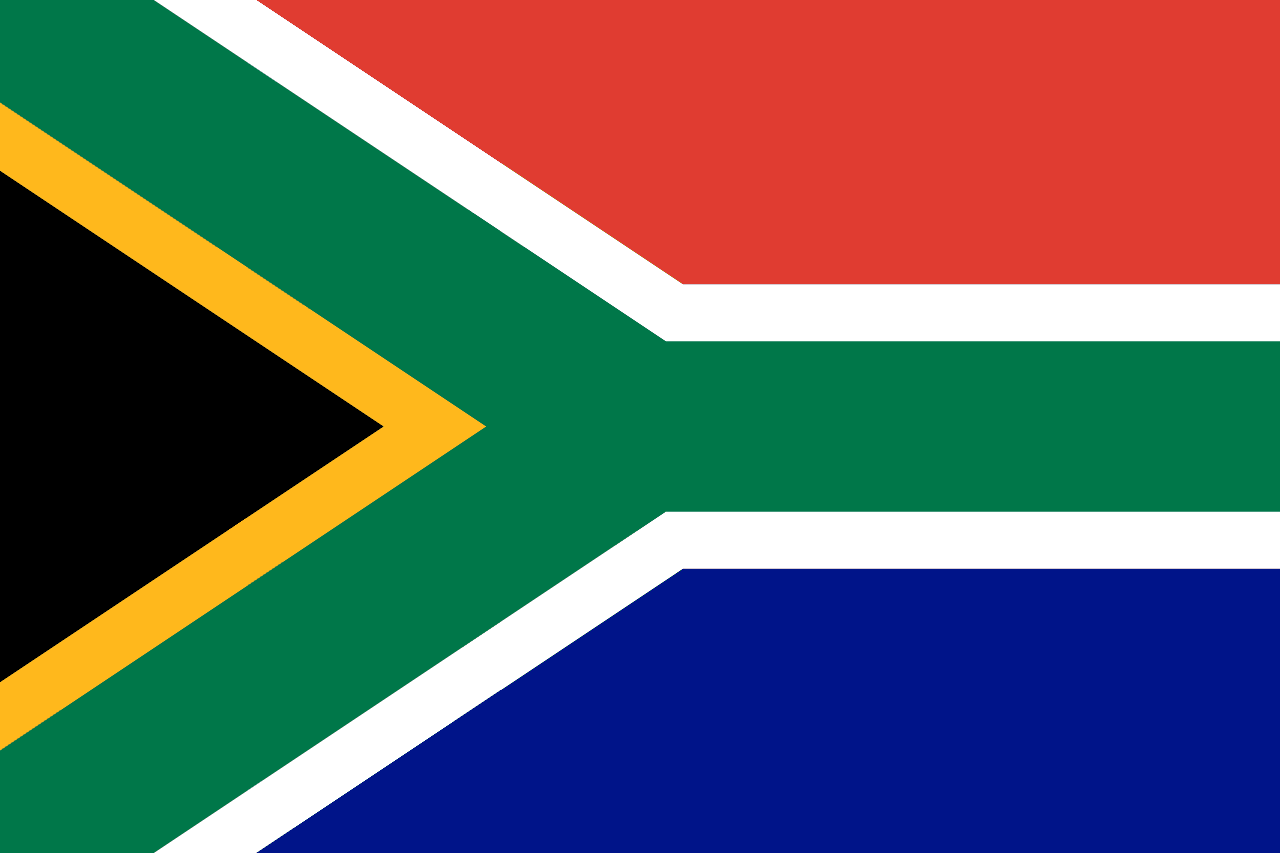
Lastborn Shazi was at home, on a video call, coordinating his party's campaign. Then someone walked up and shot him dead. Think about that. A man was doing what democracy asks of its citizens, organising, persuading, preparing neighbours to vote, and a gunman ended his life in the middle of it. His colleagues watched it happen on a screen. His family will spend the rest of their lives asking the same question we are asking now: why is participating in democracy in KwaZulu-Natal a death sentence?
We are South Africans, and we are Africans, and we are tired of pretending this is an isolated tragedy. Police confirmed that twenty murders involving politicians, party members and supporters were recorded during this municipal election period alone. Twenty people. Each one had a name, a mother, a child who will grow up without them. Each one was killed for the crime of wanting power to be decided at a ballot box rather than at the end of a gun.
The response from the Presidency has been to deploy 510 soldiers to KwaZulu-Natal to support police. Police have identified more than 165 polling stations in the province as high-risk. Let that sink in. In the country that gave the world the Constitution, the Truth and Reconciliation Commission and a Bill of Rights that Nelson Mandela fought prison for, the state now needs soldiers to guard the places where citizens cast their votes. Sending in the army is not a sign of strength. It is an admission that the police, the courts and the political leadership have failed to hold the line.
Look at the pattern, because this is not new. KwaZulu-Natal has a long and bloody record of political killings, stretching back decades to the battles between rival parties that bled into the transition years and never fully ended. Councillors, ward committee members, branch organisers, local activists: these are the people who keep the democratic machine running at the grassroots, and they are the ones being picked off. When the people closest to the voters are murdered, the message to everyone else is clear. Keep quiet. Stay home. Let the men with guns decide.
And who benefits from that silence? Not the poor family in Pietermaritzburg who needs a functioning municipality to fix its water pipes. Not the young woman in Durban waiting for a clinic that opens on time. Political killings thrive where local power is worth fighting over and where the consequences are rarely paid. When a murder case is opened and then quietly fades, every killer in the province learns the same lesson: the price of violence is low and the reward is a seat at the table. That is how a state begins to rot from the bottom up.
This matters far beyond one province. Across Africa we have watched elections turn into massacres. We have watched incumbents cling to power by intimidating rivals, and we have watched opposition figures become martyrs because the courts were too slow or too compromised to protect them. South Africa was supposed to be the answer to that story. It was supposed to prove that an African democracy could hold its elections, accept its losses and hand over power peacefully. If a country with this constitution cannot protect a man on a Zoom call, what hope does the rest of the continent have that democracy is a durable idea rather than a temporary arrangement?
So here is what must happen, and none of it is complicated. First, every one of the twenty murders must be investigated by a specialised unit with real independence from local political structures, with the resources to follow evidence up the chain rather than stopping at the triggerman. Second, the Independent Electoral Commission and the Electoral Court must have the authority and the protection to act swiftly against intimidation, including disqualifying candidates and parties whose supporters are implicated in violence. Third, witness protection must be funded and credible, because nobody will testify against a local strongman if they expect to be the next name on his list.
South Africa should also look at what its neighbours and peers have done right. Ghana, for all its challenges, has built a reputation for peaceful transfers of power through an independent electoral commission that commands public trust and a judiciary willing to rule against sitting governments. Mauritius has sustained competitive, peaceful elections for decades, anchored by strong institutions and a political culture that treats losing as normal rather than fatal. Botswana has shown that a market economy, property rights, and transparent governance can coexist with stable democratic succession. None of these countries is perfect. All of them understand that democracy survives when the rule of law is applied equally to the powerful and the powerless.
Civil society has a role here too. Churches, trade unions, business associations and community organisations in KwaZulu-Natal should be demanding, loudly and publicly, that every party sign a binding pledge to renounce violence and to expel any member linked to intimidation. Business leaders should understand that local investment cannot flourish in a province where the local councillor might be shot for doing his job. Private capital, which thrives on predictability and property rights, has every incentive to stand with the democratic order against the armed thugs who threaten it.
And the citizens of KwaZulu-Natal must demand more from every leader who asks for their vote. Demand a candidate who will say, without hesitation, that political violence is unacceptable. Demand a police commissioner who can explain, in public, why twenty murders have not produced a single conviction you can name. Demand that the soldiers deployed to your polling stations leave as soon as the police can hold the line on their own, because a permanent military presence at the ballot box is not democracy. It is a waiting room for something worse.
Lastborn Shazi should be alive. The families of the other nineteen should not be grieving. Their deaths are not the cost of freedom. They are the proof that freedom has been left unguarded by the people sworn to guard it. We are asking the South African state, its courts, its parties and its citizens the same question: will you finally treat a political killing as the attack on the entire republic that it is? Vote on Wednesday. Watch the polling stations. Speak up in your community, in your church, in your workplace, and in every space where silence has been bought with fear. The ballot is the only weapon a democracy should ever need, and it is time we made sure it is the only one that gets used.
Based on reporting by ACSS-EMAIL