acss-digest
Our African Brothers Die Twice, Under the Bombs and at Sea
Five bodies thrown into the sea during a single crossing. Two more found lifeless at the bottom of an inflatable boat. One hundred and thirty-two people crammed onto a vessel bound for the Canary Islands, twelve of them women. This is what West Africa exports today: young people fleeing poverty and despair, who die on the way because no one had the courage to offer them a legal and safe route.
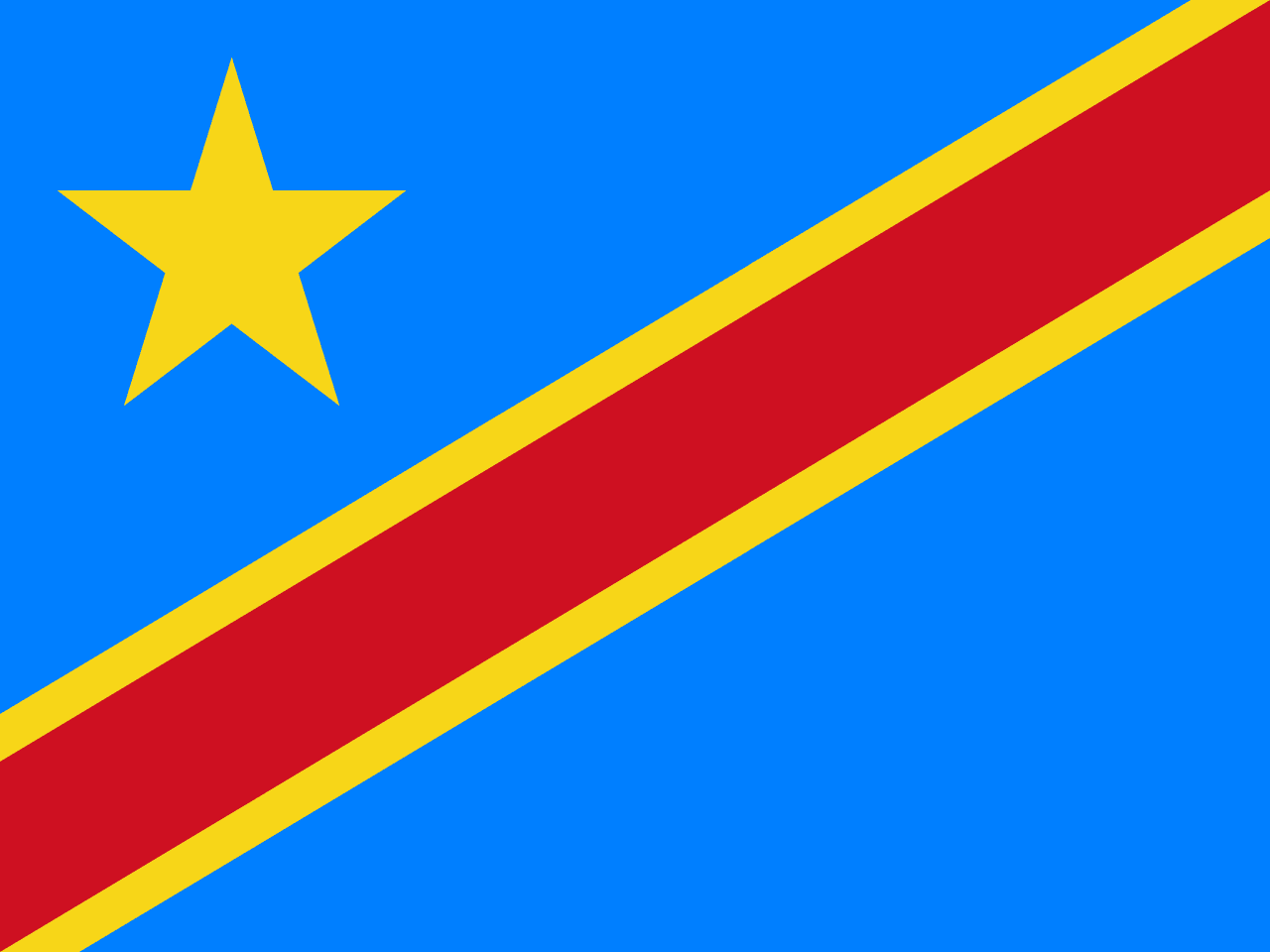
Meanwhile, thousands of kilometres away, in Yemen, more than 65,000 refugees and asylum seekers watch their lives come apart. Somalis and Ethiopians, men and women who have already lost everything once, find themselves trapped in a war that is not theirs. And in the Democratic Republic of Congo, Ebola has killed 5,372 people, with a fatality rate of 51.6%. Three tragedies, three continents of suffering, and the same silence from the world.
Let us talk about Yemen. According to the United Nations High Commissioner for Refugees, around 9,500 people originally from Somalia and Ethiopia live at the Kharaz camp in Lahj governorate, in the southwest of the country. The camp lies only a few dozen kilometres from the combat zones. No refugee casualties have been confirmed so far, but bombardments nearby have already disrupted supplies, health services and movement. Imagine a mother who must decide whether her children can go out to fetch water that morning. Imagine the father who makes that calculation every single day.
Yemen has not been at war since yesterday. Since 2014, the civil war has fragmented the state, multiplied the armed actors and turned humanitarian aid into a bargaining chip. Restrictions on humanitarian organisations' access, denounced in UN reports, are compounding a crisis that is already catastrophic. And while the great powers and the Gulf monarchies defend their strategic interests in the Red Sea and the Gulf of Aden, it is African refugees who pay the bill.
On the Atlantic route, the picture is just as bleak. The journey from West Africa is extremely dangerous, because of violent currents and fragile, overloaded boats, often sold to smugglers who grow rich on desperation. A Spanish vessel intervened at 6:30 a.m. to rescue a boat carrying 132 people. The survivors reported that five bodies had been thrown overboard during the crossing. Five lives erased without a word, without a grave, without a name in any register. How many tragedies of this kind are never recorded? How many families in The Gambia, Senegal, Mali or Cameroon are waiting for a call that will never come?
And then there is Ebola in the DRC. The toll has risen to 5,372 deaths as of 30 October, out of 10,414 confirmed cases. The health authority explained that the sharp increase resulted from a retrospective update of the data, carried out jointly in Ituri, and not from a sudden surge within a single day. Fine. But let us ask the question every Congolese is asking: how long were these figures hidden, underestimated or simply lost? When transparency about public health data arrives weeks late, lives are sacrificed on the altar of improvisation.
We must say what many refuse to say. In eastern DRC, the health response is severely hampered by the occupation of Goma and Bukavu by M23, an armed group which the reports of the United Nations Group of Experts describe as dependent on direct military support from the Rwandan army. Several thousand Rwandan soldiers, according to those same reports, operate alongside this militia. How can you run a vaccination campaign, trace contacts or transport the sick when the roads are cut and humanitarian workers are turned back by foreign soldiers? A war of aggression does not kill only with bullets. It also kills through what it prevents: care, truth, trust.
This tragedy belongs to a larger history. While Western powers lecture us on human rights and the rule of law, they look away from the regimes and actors who violate those very principles. France, the United States and the European Union speak of "managed" migration when it comes to blocking borders, yet they have few legal pathways to offer. China builds our roads and leaves us in debt. Russia sells weapons and mercenaries in exchange for mining concessions. Turkey, the United Arab Emirates, Qatar and Saudi Arabia compete for ports, media and religious influence. This is the new scramble for Africa: different actors from the nineteenth century, but the same logic of extraction. And caught in the middle are young people dying at sea, refugees dying under bombs, and patients dying because the system no longer holds.
So what is to be done? The answer is neither retreat nor rhetoric. It runs through strong institutions, transparent governance and partnerships that respect our sovereignty. The African Union must require member states to publish their health data in real time, with an independent verification mechanism, modelled on the African Centres for Disease Control and Prevention, which must be given real resources and a political mandate. The UN Security Council must stop settling for communiqués about eastern Congo and impose targeted sanctions on the military commanders and financiers of this conflict. The countries of the Horn of Africa, through IGAD, must strengthen consular services to protect their nationals in Yemen and open procedures for voluntary and dignified repatriation.
We also have models to follow. Botswana built its prosperity on resource management anchored in credible institutions and a respected rule of law. Mauritius turned trade, education and political stability into economic assets. Senegal proved that a peaceful democratic transition is possible when citizens demand accountability. These three countries show that economic freedom, private property, an independent judiciary and credible elections are not Western luxuries. They are the foundations of human dignity.
Here is what we demand, we who live on this continent. We demand that Spain and the European Union open genuine legal pathways for labour migration and protection, instead of subcontracting misery to Libyan and Mauritanian coast guards. We demand that African governments publish their health figures without delay and without cosmetics. We demand that Rwanda stop supporting M23, withdraw its troops from Congolese territory and answer for its crimes before international justice. We demand that UNHCR and NGOs have unhindered access to the camps in Yemen. And we demand that our own leaders stop treating their diasporas as a source of foreign currency and start protecting them as full citizens.
Five bodies thrown into the sea. Nine thousand five hundred refugees suspended on the sound of bombs. More than five thousand Ebola dead in a country deprived of truth and of help. These are not statistics. They are our children, our sisters, our neighbours. To refuse to see what is happening is already to choose a side. So share this article, press your deputies, your local councillors and the representatives of the African Union. Demand accountability. Because the dead do not ask permission to be counted, and neither will we.
Based on reporting by ACSS-EMAIL