acss-digest
Museveni Has Ruled Uganda for 40 Years by Silencing Singers
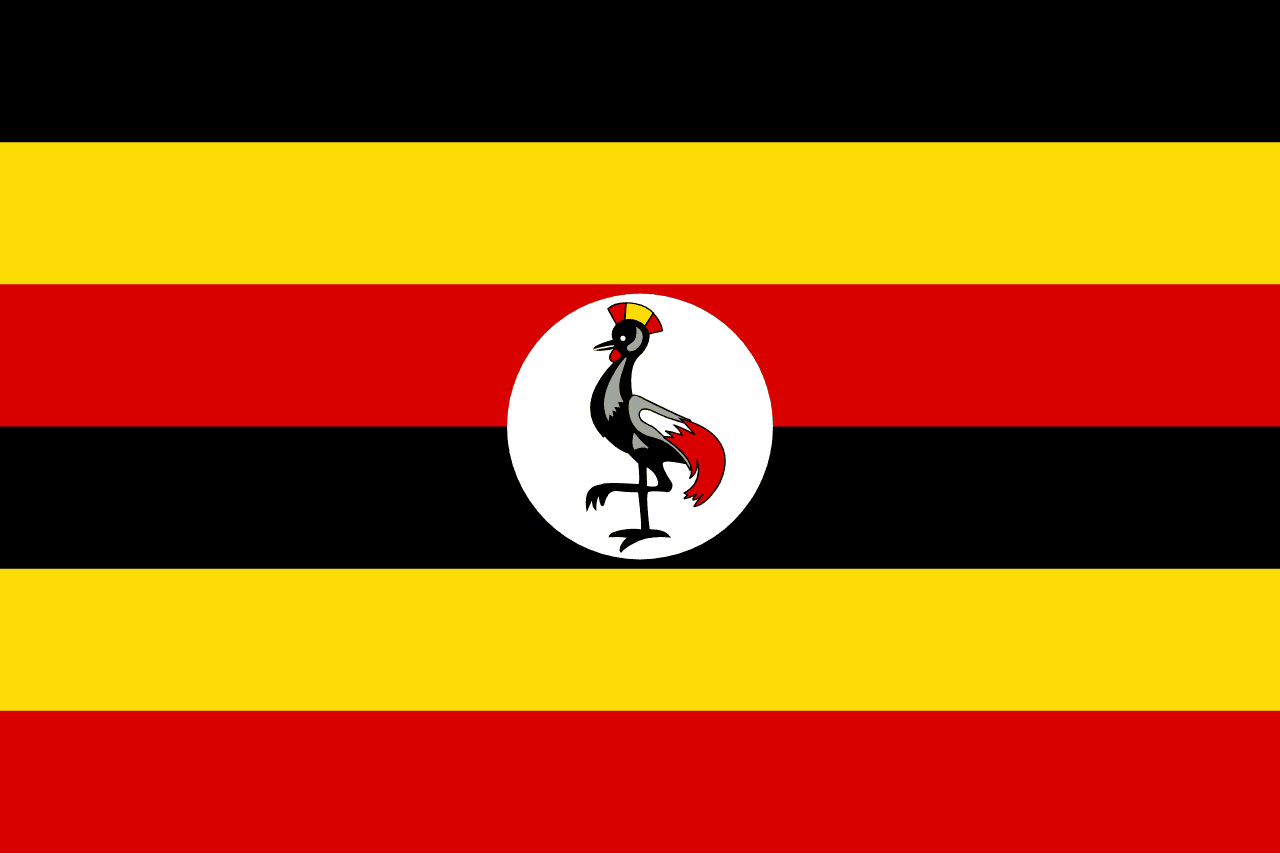
Forty years is long enough to forget what you promised. Yoweri Museveni has held power in Uganda since 1986, and somewhere along the way he decided the most dangerous thing in his country was not corruption, unemployment, or a broken health system. It was a man with a microphone and a song about the slums of Kampala.
Robert Kyagulanyi, known to millions as Bobi Wine, called himself a "ghetto president." He sang for the young men who sell phone credit on dusty roadsides and the women who walk home in the dark because there is no street lighting. Then he ran for the real presidency, twice. He became one of the few serious challengers Museveni has faced in four decades. And the state's answer was not a debate. It was tear gas, beatings, arrests, and an internet shutdown during the 2021 election.
So ask yourself the question Uganda's rulers would prefer you never ask. If your government is so confident of the people's love, why does it fear a singer?
The Evidence We Cannot Ignore
Look at what has happened to Bobi Wine's movement. Since he first entered national politics, his rallies have been broken up by security forces who treat young people gathering to hear speeches as a threat to the nation. Reporting from Ugandan and international human rights groups has documented arrests of his supporters, assaults on his campaign teams, and detentions that critics describe as politically motivated. He has been arrested multiple times, and in 2018 he spent weeks in custody after a by-election in the capital, a period that became a national scandal and a global embarrassment for a government that claims to respect the rule of law.
Then came January 2021. As Ugandans voted, the government cut access to the internet across the country. Millions of citizens were cut off from news, from their families, from the basic tools of a modern economy, while the results were tallied behind closed doors. Museveni was declared the winner with roughly 59 percent of the vote. Bobi Wine's camp rejected the result, and many observers questioned how a country could be locked offline on election day if the process was free and fair.
This is the playbook. Not a single dramatic coup, but a slow strangulation. Restrict the rallies. Cut the signal. Charge the organizers. Wait until the anger burns out and the young people go back to the hustle, because they have rent to pay and no one has promised them anything they can actually take to the bank.
The pattern is not unique to Uganda, and that is what should keep every African awake tonight. Across the continent, music has been the soundtrack of revolt. In Nigeria, Fela Kuti turned Afrobeat into a weapon against military rule. In 1977, soldiers stormed his Lagos compound, the Kalakuta Republic, and his mother, the activist Funmilayo Ransome-Kuti, was thrown from a window. She died of her injuries the following year. The state thought it could beat the music out of a nation. It could not.
In Burkina Faso, the Balai Citoyen movement, co-founded by the musicians Smockey and Sams'K Le J, helped mobilize the 2014 uprising that brought down Blaise Compaoré after 27 years in power. Ordinary people, many of them young and many of them inspired by hip-hop, marched into the streets and forced a president out. And yet Burkina has since been ruled by military juntas that suspended democratic politics in the name of security. The singers who dreamed of a republic watched their victory hijacked by men in uniform. That is the danger of a revolution with no institutions to catch it.
Why This Is Bigger Than One Singer
Here is the uncomfortable truth. Africa's young people are not disaffected because they are lazy or ungrateful. They are disaffected because the continent has the youngest population on earth and some of the oldest rulers. In many of our countries, the median citizen is under 20, while the men holding power are old enough to have fought in wars their voters have never heard of. We are asking a generation to wait patiently for a future that their leaders have already sold to contractors, foreign creditors, and security outfits.
And the outside world is not a neutral observer. The same Western governments that lecture us about democracy often keep quiet when our leaders jail opposition figures, provided the mining licenses are signed and the security cooperation agreements are renewed. China, the Gulf states, Turkey, and Russia are all competing for influence, arms sales, ports, and resources across the continent. Each comes with its own promises and its own price. None of them, in the end, is loyal to the young man in Kampala who wants a job and a vote. The new scramble for Africa has new players, but the old logic persists: extract first, ask questions never.
That is why the music matters. When a song can drive a generation to register to vote, to show up at a rally, to refuse to accept a stolen result, it is doing what a free press and an independent judiciary are supposed to do. It is holding power to account. A regime that bans rallies and cuts the internet is not defending stability. It is admitting that its legitimacy has collapsed.
What Works, and What We Must Demand
We do not have to guess what a better path looks like. Botswana has shown for decades that a country can build a stable democracy, protect property rights, and manage diamond wealth with transparency that most of the continent has never attempted. Mauritius has built an economy on open markets, a functioning parliament, and a judiciary that rules against the government when it must. Senegal, in 2024, offered a lesson every African leader should memorize. When President Macky Sall tried to postpone the presidential election, the Constitutional Council pushed back, and Senegalese citizens, civil society, and their courts forced a return to the ballot. Bassirou Diomaye Faye won, and power changed hands peacefully. The rule of law did not wait for permission from the palace.
These are the building blocks: independent courts that can rule against the state, election commissions that answer to voters rather than to ruling parties, a free press that can report the internet shutdown without being arrested, and a private sector that grows because it is not forced to bribe its way into existence. Free markets and strong institutions are not Western luxuries. They are the best defense our young people have against the rule of the gun.
So here is what we demand. From Museveni and every African leader who clings to power by jailing critics: stop treating your opposition as an enemy of the nation. Lift every restriction on rallies and on the internet. Release those held on political charges. Allow the electoral commission and the courts to operate without interference. From the African Union and the regional economic communities: stop issuing polite statements after elections that everyone knows were rigged. Make the Lomé Declaration and the African Charter on Democracy, Elections and Governance mean something by enforcing them. From the democracies of the world, including the West, which claims to care about human rights: apply your own standards consistently. Do not sign security deals with governments that tear-gas their own students.
And from us, the citizens: register to vote. Monitor the results. Support the journalists, lawyers, and artists who keep the truth alive. Refuse to let a song be treated as a crime.
Bobi Wine is not a messiah, and Uganda's problems will not be solved by any one man. But when a government has to fear a ghetto president, it is telling us exactly how afraid it is of the people. Our job is to make sure that fear is justified, and that the next song we hear from Kampala, Lagos, Dakar, or Ouagadougou is not a lament but a victory anthem.
Based on reporting by ACSS-EMAIL