acss-digest
Malawi Is Selling Its Gold to Buy Fuel While Its Farmers Go Without Fertiliser
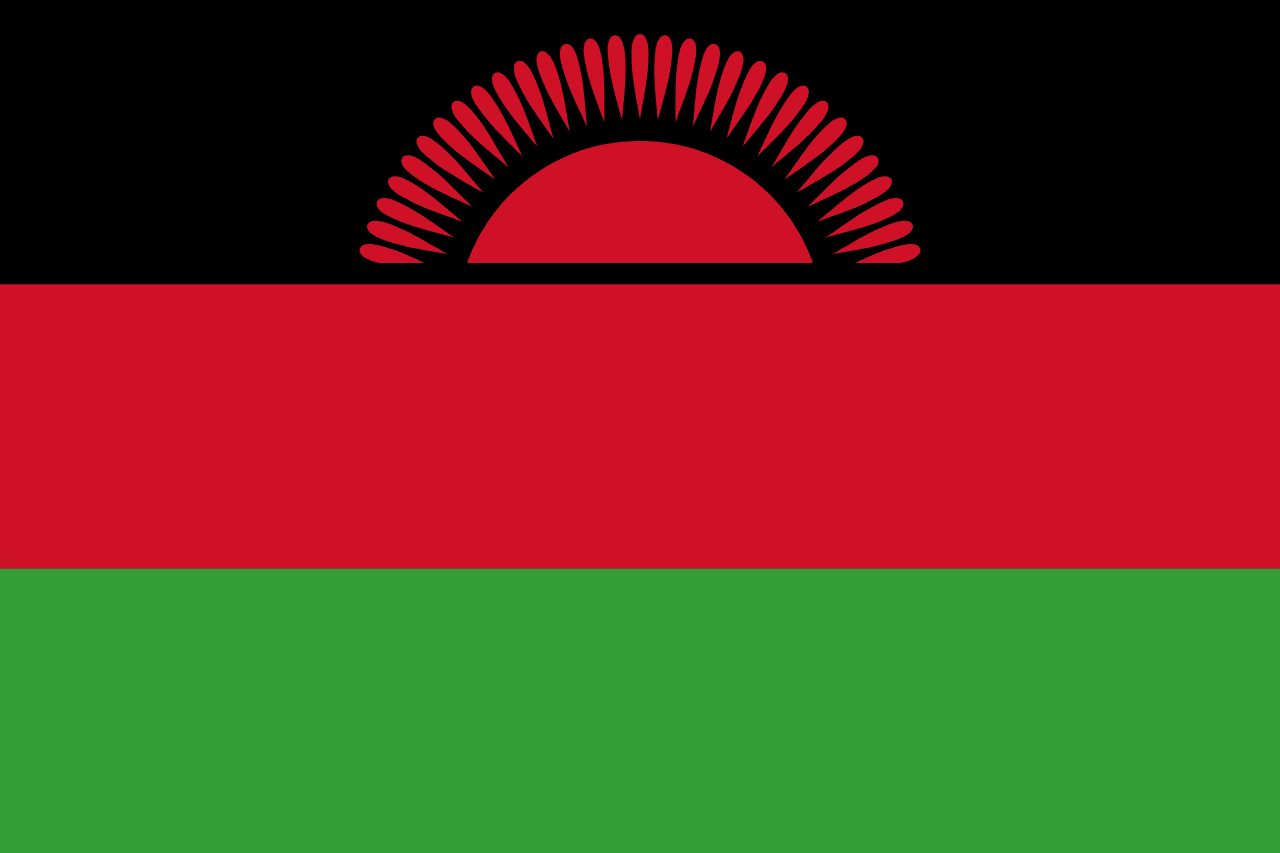
Ask a Malawian driver what a litre of petrol costs now and watch his face change. At $3.24, Malawi sells the most expensive petrol in Africa. In a country where most people earn their living from the land and the average household lives on a few dollars a day, that number does not stay on a pump display. It moves into the price of bread, the fare for a minibus, the cost of carrying maize to market, and the decision a farmer makes about whether to plant at all.
We have heard the explanation before. A war in the Middle East has pushed up global oil prices, and Malawi is caught in the backwash. That is true as far as it goes. But ask the harder question: why is a country whose economy depends on imports so exposed to a shock that rich nations absorb with a shrug? The answer is not in the Persian Gulf. It is in Lilongwe, in the banks, and in the currency desks where the foreign exchange that pays for fuel is rationed, delayed, and too often unavailable.
The government says the crisis comes from a shortage of foreign currency. Banks are struggling to honour letters of credit, the instruments that guarantee payment to overseas suppliers. Some suppliers now refuse to ship unless they are paid upfront, in hard currency, before a single drop of fuel leaves port. A country that cannot reliably convert its own money into dollars cannot reliably import anything, and fuel is the first thing to disappear when the dollars run out.
Then comes the detail that should keep every Malawian awake. To pay those suppliers, the government has sought emergency financing, including through the sale of its gold reserves. Think about what that means. A nation is liquidating the physical savings it holds against future crises to cover the cost of a single season's fuel. Gold is not a luxury. It is the emergency fund of a sovereign state. Selling it to plug a hole in a failing import system is like a family pawning its wedding rings to pay this month's electricity bill, then wondering why it cannot afford next month.
And who pays for the emergency patch? Not the officials who approved the import plans. Not the directors who failed to secure the foreign exchange. The bill lands on the market woman whose transport costs have doubled, on the schoolgirl whose family can no longer afford the trip to class, and on the smallholder farmer who needs fertiliser delivered on time. Economist Milward Tobias has warned that the fuel shortage threatens food security by choking the delivery of fertiliser and other essentials to farmers. Read that carefully. It is a warning that the next harvest could fail, not because of drought or pests, but because a government could not manage its currency. Hunger in Malawi will not arrive with a headline. It will arrive quietly, one thin harvest at a time.
This is the pattern we must name. Malawi did not become fragile overnight. For years, Malawians have queued for fuel that was not there, watched the kwacha lose value against the dollar, and seen a parallel exchange market flourish in the shadows while official channels starved. Every time a government chooses to manage a scarce currency by administrative decree rather than sound policy, the same thing happens. Dealers hoard. Smugglers profit. Importers who know the right people get dollars, and everyone else gets excuses. Corruption does not need a coup to take root. It only needs a broken exchange system and officials who see scarcity as an opportunity.
We also need to be honest about the wider context. Across Africa, governments are scrambling to keep the lights on as global shocks hit fragile economies. Some lenders offer loans that come with conditions most citizens never see. Others offer deals that trade infrastructure for resource access and leave the debt on the books for the next generation. Malawi's struggle is not a foreign plot. But it is a reminder that when a state cannot feed its own fuel tanks, it becomes vulnerable to whoever is willing to sell it dollars, and those lenders will always ask what they get in return. Sovereignty without solvency is a fragile thing.
So what should happen? Start with the currency. A single, transparent exchange rate, set by a genuinely independent central bank and not by ministers who need a quick fix before the next election, is the foundation. Clear the backlog of unpaid letters of credit with a published schedule so that suppliers know the money is coming. Stop the parallel market by making the official market worth using. Liberalise fuel importation so that licensed private firms can bring in supply through competitive tendering, rather than through a single bottleneck that every crisis turns into a crisis of its own. Build a strategic fuel reserve funded from the budget, not from the sale of gold. Negotiate with Mozambique and Tanzania for reliable corridor access through the Nacala and Beira routes, so that one country's bad week does not become a national emergency.
Africa already has proof that this works. Botswana built one of the continent's strongest economies by protecting its currency, managing its mineral revenues through transparent funds, and keeping its institutions credible even when times were hard. Mauritius turned a sugar island into an open, rules-based economy by making property rights, contract enforcement, and fiscal discipline non-negotiable. Senegal, whatever its challenges, showed that a peaceful democratic transfer of power can reset a government's priorities when citizens demand it. None of these countries is perfect. All of them understood that markets need rules, currencies need credibility, and governments need to be accountable to the people who pay the bills.
Civil society has a role too. Malawian journalists, economists, and the Malawi Law Society should publish the exchange allocation data, track every letter of credit, and demand an independent audit of the gold sale and what it was spent on. Business associations should lobby for import liberalisation rather than quietly accepting the privileges of the few who get dollars first. Regional bodies such as SADC should press members to share fuel corridor capacity and forex coordination instead of leaving each country to fend for itself. Development partners should tie support to transparency benchmarks they can publicly verify, not to vague promises.
And citizens must demand, loudly and specifically, that their leaders publish the foreign exchange allocation list, explain where the gold proceeds went, guarantee the timely delivery of fertiliser before planting season, and commit to a fuel import plan with a public timeline. A government elected on a promise to revive the economy has no excuse for an emergency that looks, at its core, like a failure of basic management.
Malawians, you did not vote for a country that sells its gold to buy petrol. You voted for a country that works. Hold your leaders to that promise before the next harvest is lost, before the next fuel queue becomes the next hunger crisis, and before the emergency becomes the new normal. The fuel will eventually return. The question is whether the institutions that should have protected you will be standing when it does.
Based on reporting by ACSS-EMAIL