acss-digest
Russia Is Selling Africa Nuclear Power on Debt It Can Weaponize
Ask a Freetown family what happens when the lights go out because a foreign contractor is owed money. They will tell you about spoiled food, children doing homework by phone screen, hospitals running generators they cannot afford to fuel. Then ask who decided their city's electricity could be switched off like a tap, and you will hear silence, because nobody in that negotiation room ever asked the people who would sit in the dark.
Sierra Leone is the warning. In 2023, Turkey's Karpowership cut power to Freetown. It cut again in 2024 over unpaid bills. The government ended up paying $17 million toward a $48 million debt just to restore full electricity to a capital of millions. Read that again. A nation paid a private floating power company to stop punishing its own people.
Now the same logic is heading for a larger, more dangerous table. At the third Russia-Africa summit, President Vladimir Putin hosted delegations from 48 countries, including 22 African leaders. The headline deliverable was nuclear. Rosatom, Russia's state atomic energy corporation, is in advanced talks with Egypt, Togo, Namibia, and Tanzania over floating nuclear power plants. Moscow wants to be the first country to export commercial nuclear technology of this kind, and Africa has been chosen as the test market.
Let us be precise about what is on the table. Floating nuclear plants are marketed as fast, flexible answers to power shortages. A barge gets towed into a coastal port and plugged into the grid, skipping the decade-long construction timelines that frustrate planners. For governments staring down blackouts, that promise is seductive. It should also make us suspicious. When a foreign supplier offers the fastest solution, we must ask what the slowest part of the bill will be. Usually, it is the part where the country owes money for the rest of its life.
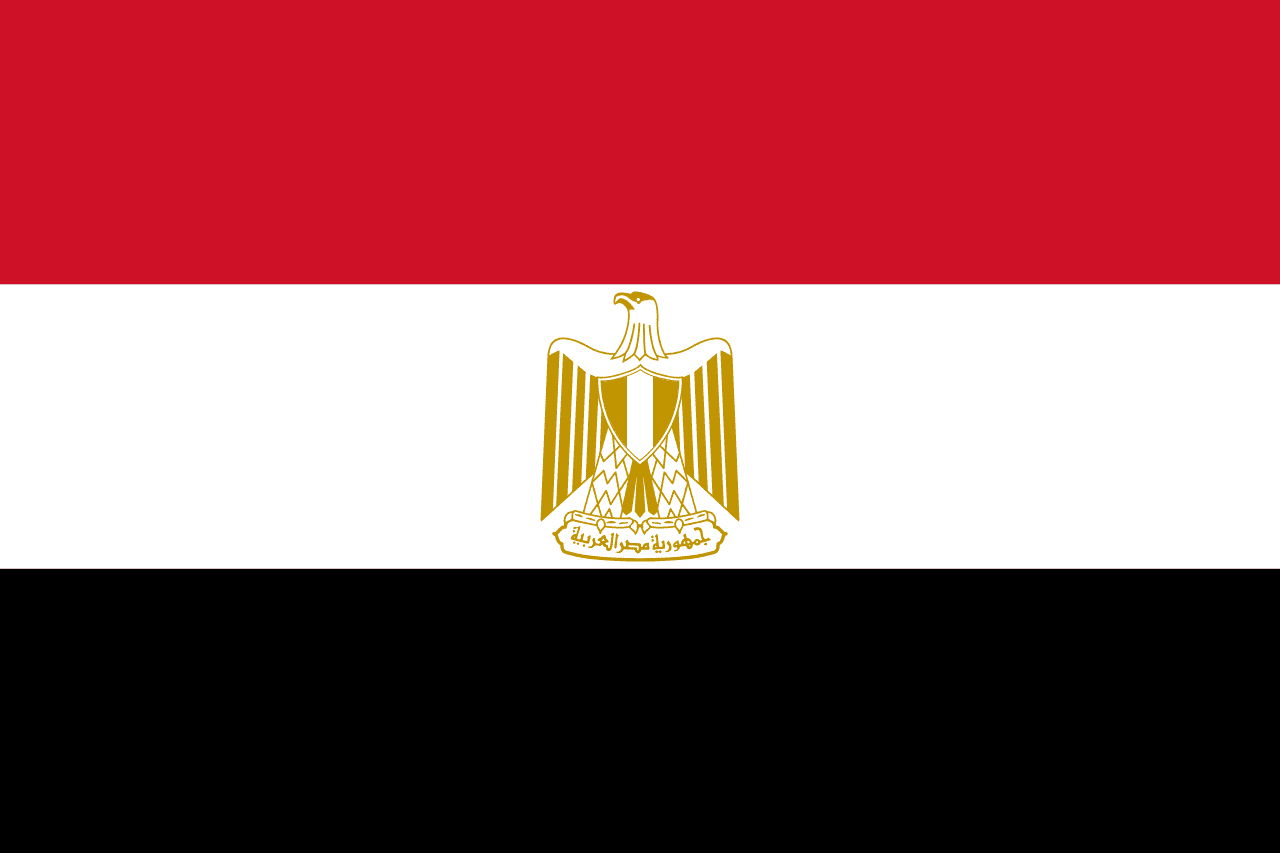
Egypt offers the template. Rosatom is building the El Dabaa nuclear station on the Mediterranean coast, a four-unit project financed largely through a Russian state loan, widely reported at around $25 billion. Egypt will be repaying that debt for decades, and the terms of that repayment, the fuel supply, the maintenance regime, and the political strings attached, are shaped by the lender. Cairo may have its reasons. But every Egyptian who opens a power bill in the coming years should know that a significant share of their future is pledged to Moscow.
Consider the pattern. Russia's Wagner Group, now largely reorganized under the Kremlin's Africa Corps, has operated in Mali, the Central African Republic, Libya, and Sudan, where its gold-mining interests have been documented in reports from independent researchers and investigative journalists. Mining concessions, security contracts, and now nuclear deals are not separate stories. They are one strategy: lock African governments into dependence, then convert that dependence into political obedience. The same playbook drove the Chinese Belt and Road debt trap that has left several African states scrambling to renegotiate loans. Turkey, the UAE, and Gulf investors are running their own versions, through ports, drones, arms sales, and infrastructure deals that rarely face public scrutiny at home or in the capitals where they operate.
So let us name the reality. This is the new scramble for Africa. The colonial powers came with flags and treaties. Today's contestants come with loan agreements, port concessions, and reactor blueprints. Different actors, same extraction. The West lectures us about democracy while its rivals bankrupt us with contracts we never got to read. Russia, which invades its neighbours and crushes its own dissidents, wants to be our energy partner. Ask yourself what kind of partner ends a contract by switching off your grid.
Here is the question our governments refuse to answer honestly. Who is accountable when a nuclear contract goes wrong? In most of the deals being discussed, the answer is nobody African. Disputes get sent to foreign arbitration. Fuel supply is controlled from Moscow. Spent fuel, which remains dangerous for thousands of years, may never leave the country that generated it, or may leave under terms that serve the supplier. A nuclear reactor is not just a power plant. It is a permanent relationship with a government whose interests are not ours.
We are not against nuclear energy. Africa needs more reliable, low-carbon power than it has ever had, and nuclear can be part of that. South Africa's Koeberg plant has operated for decades. Ghana and Kenya have studied nuclear options seriously. The problem is not the technology. The problem is the terms, the secrecy, and the absence of African control.
The solutions are not complicated. They are simply uncomfortable for the people who profit from opacity. First, every nuclear and power purchase agreement must be published in full before signature, with debts, fuel commitments, penalties, and dispute venues made public. Parliaments must ratify these deals, not rubber-stamp them after the cameras leave. Second, African states should insist on International Atomic Energy Agency safeguards and build independent national regulators with real budgets and real authority, not agencies that answer to the ministry signing the contract. Third, power purchase agreements should include strict caps on take-or-pay obligations, guaranteed transparent billing, and arbitration in neutral African or multilateral forums. Fourth, our regional bodies must act together. The African Commission on Nuclear Energy exists for exactly this purpose. The Southern African Power Pool and the West African Power Pool can pool demand and bargaining power so no single government negotiates alone against a state monopoly.
Some African countries are already showing the way. Botswana built its governance reputation on transparency and fiscal discipline, and that discipline is what makes it a credible investment destination rather than a debt trap. Mauritius has built a financial and legal system that foreign investors trust because contracts are enforced and courts are independent. Morocco has pursued large solar and wind projects with competitive tendering and a clear role for private capital, showing that aggressive energy expansion does not require surrendering sovereignty. Senegal's peaceful democratic transitions have shown that citizens can hold governments accountable when institutions are strong enough to answer them. Good governance is not a luxury for rich countries. It is the infrastructure that keeps power on.
To the citizens of Egypt, Togo, Namibia, and Tanzania: demand to see the contract. Not a summary. Not a press release. The full document, with the debt schedule and the penalty clauses. Ask your MPs whether they have read it. Ask your ministers who benefits if the plant goes offline during a dispute. Organize, publish, and vote accordingly.
To the African Union: stop treating energy deals as bilateral favours and start treating them as continental security questions. Set minimum transparency standards for any foreign nuclear or energy contract. Publish a scorecard. Name the governments that sign secret deals.
To the UN and the IAEA: your safeguards are only as strong as the regulators on the ground. Fund African regulatory capacity now, before the reactors arrive, not after the first crisis.
Sierra Leone paid $17 million to keep its lights on, and its people are still asking why they had to pay at all. Do not let Freetown's humiliation become Cairo's, Lomé's, Windhoek's, or Dar es Salaam's. Africa does not need another master with a power plant. We need power that answers to us. Demand it, loudly, before the next contract is signed.
Based on reporting by ACSS-EMAIL