general
The UN Abandoned Western Sahara After 35 Years
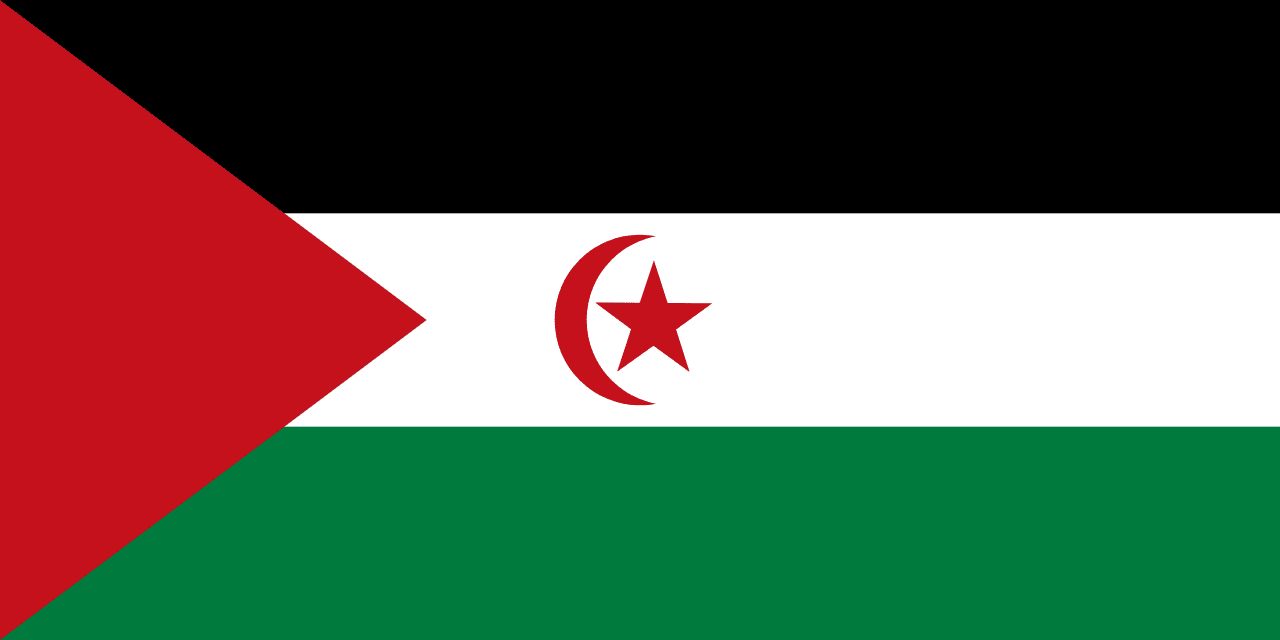
Thirty-five years. That is how long the United Nations kept blue-helmeted peacekeepers in Western Sahara to guard a single promise: that the people of this territory would one day vote on their own future. On Sunday, that mission ended. There was no referendum, no final peace settlement, no vote. There was a Security Council that could not agree to renew it. Thirty-five years of presence, and the final act was a shrug.
So ask yourself what a promise is worth when the institution that made it simply stops showing up.
The mission, known as MINURSO, was created in 1991 under Security Council Resolution 690. Its job was to monitor a ceasefire between Morocco and the Polisario Front and to organize a referendum that would let Sahrawis choose independence or integration with Morocco. The ceasefire held. The referendum did not. Disputes over who qualified to vote, a flood of appeals, and the veto politics of the Council stalled the process for decades until it was, for all practical purposes, dead. Still the mission stayed, renewed year after year, its patrols moving along a sand barrier roughly 2,700 kilometres long, one of the most heavily mined borders on earth.
Here is the part the diplomats rarely say aloud. MINURSO was never given a mandate to monitor human rights. Peacekeepers counted ceasefire violations while Sahrawi activists were arrested, journalists were kept out, and peaceful protests in Laayoune and other cities were met with force. Amnesty International and Human Rights Watch have documented these abuses for years. A mission that could watch a territory for three decades without being allowed to protect the people living in it has not been a peacekeeping force. It has been a stage prop for a conflict nobody wanted to end.
Then came the shift. In late 2025 the Security Council endorsed Morocco's autonomy proposal as the basis for future talks. Rabat called it vindication. The Polisario Front rejected it and called the vote a betrayal of the referendum principle. Now the mission itself is being closed, and the Council has offered no replacement mechanism that the Sahrawi people can trust. Morocco welcomed the decision. The Polisario called it unacceptable. For once, both statements are accurate descriptions of the same vacuum.
Consider the wider board. The United States recognized Moroccan sovereignty over the territory in December 2020, reversing decades of American policy. Spain, France, and others have tilted toward Rabat in recent years, while Algeria remains the Polisario's principal patron and hosts Sahrawi refugees in the Tindouf camps. Those camps have held families for nearly half a century, and no full, independent census of their population has ever been carried out. Algiers keeps the camps closed to the kind of scrutiny it demands from everyone else. Rabat, meanwhile, has spent heavily on infrastructure in Laayoune and Dakhla, and it controls the phosphate mines and the rich fishing waters that generate revenue. The European Court of Justice ruled in 2024 that EU trade and fisheries agreements with Morocco could not be applied to Western Sahara without the consent of its people. That ruling was a rare moment when a court asked the most basic question: who gets to decide?
Foreign governments and companies have been asking a different question for decades: what can we extract here? Phosphate, fish, land, and strategic position are the currency of this conflict, and Sahrawis are the ones paying for it.
Let us be precise about the principle at stake. Self-determination is not a favour handed down by Rabat, Algiers, Washington, or Brussels. It is a democratic right, the same one that African liberation movements invoked when they fought colonial rule. If we insist that Africans must be allowed to choose their governments, we cannot accept a settlement that is negotiated over the heads of the people it governs. A plan can be serious and still be illegitimate if it is imposed without consent. Morocco's autonomy offer may contain real reforms worth examining, but autonomy granted by a state is not the same as self-government chosen by a people. Algeria's refusal to let the refugee population be counted properly is not solidarity. It is another form of control.
So what should happen? First, the UN Secretary-General should appoint a credible envoy with a mandate to restart negotiations that include Sahrawi representatives chosen through a transparent process, not just the parties that already hold guns and capitals. Second, any future presence in the territory must include an independent human rights monitoring component with unrestricted access for journalists, rights investigators, and UN special rapporteurs. A peace process without human rights monitoring is a process that protects the powerful. Third, the Tindouf camps need a full, internationally supervised census under UNHCR and African Union observation, so that no negotiator can inflate or hide the number of people they claim to speak for.
Africa already has models that show what better governance looks like. Botswana built one of the continent's most stable democracies by protecting institutions and managing mineral wealth with transparency. Mauritius has shown that strong property rights, an independent judiciary, and open markets can turn a small island economy into a regional success. Senegal's peaceful transitions of power demonstrate that citizens who are allowed to vote can hold leaders accountable without burning cities down. The lesson is simple. Revenue from phosphate and fisheries should be audited publicly, reported in the open, and directed toward the people who live where those resources are found. Anything less is extraction dressed up as development.
The African Union must step up. It has spent too many years watching from the sidelines while non-African powers carve up disputes on this continent. The AU should convene a mediation track with its own credible team, backed by its member states, and make clear that no deal will be recognized as legitimate unless the Sahrawi people have a voice in it. The UN Security Council members who voted to close this mission owe the public a plan, not a press release. Those who supported ending MINURSO without a replacement must answer for what happens next.
And ordinary citizens have a role. Moroccans, Algerians, Mauritanians, and Sahrawis themselves deserve leaders who can explain, in public and without fear, why their governments are willing to let a 35-year-old promise expire quietly. Demand that your parliament ask those questions. Demand that your government publish its position. Demand that journalists be allowed into Laayoune and Tindouf alike. Civil society groups across the continent should press for independent monitoring and make sure the families waiting in those camps and cities are not treated as bargaining chips.
The United Nations has walked away from Western Sahara. That does not mean the question has gone away. It means the burden now falls on us. Africa cannot build strong democracies on the principle that some peoples may be left in limbo while others are rewarded. Our continent's dignity depends on whether we insist that every promise made to every African community is kept. Thirty-five years is long enough to wait for a vote. We should not wait another day to demand one.
Based on reporting by FRANCE24