acss-digest
Abiy Is Arming Up in Moscow While Tigray Burns Again
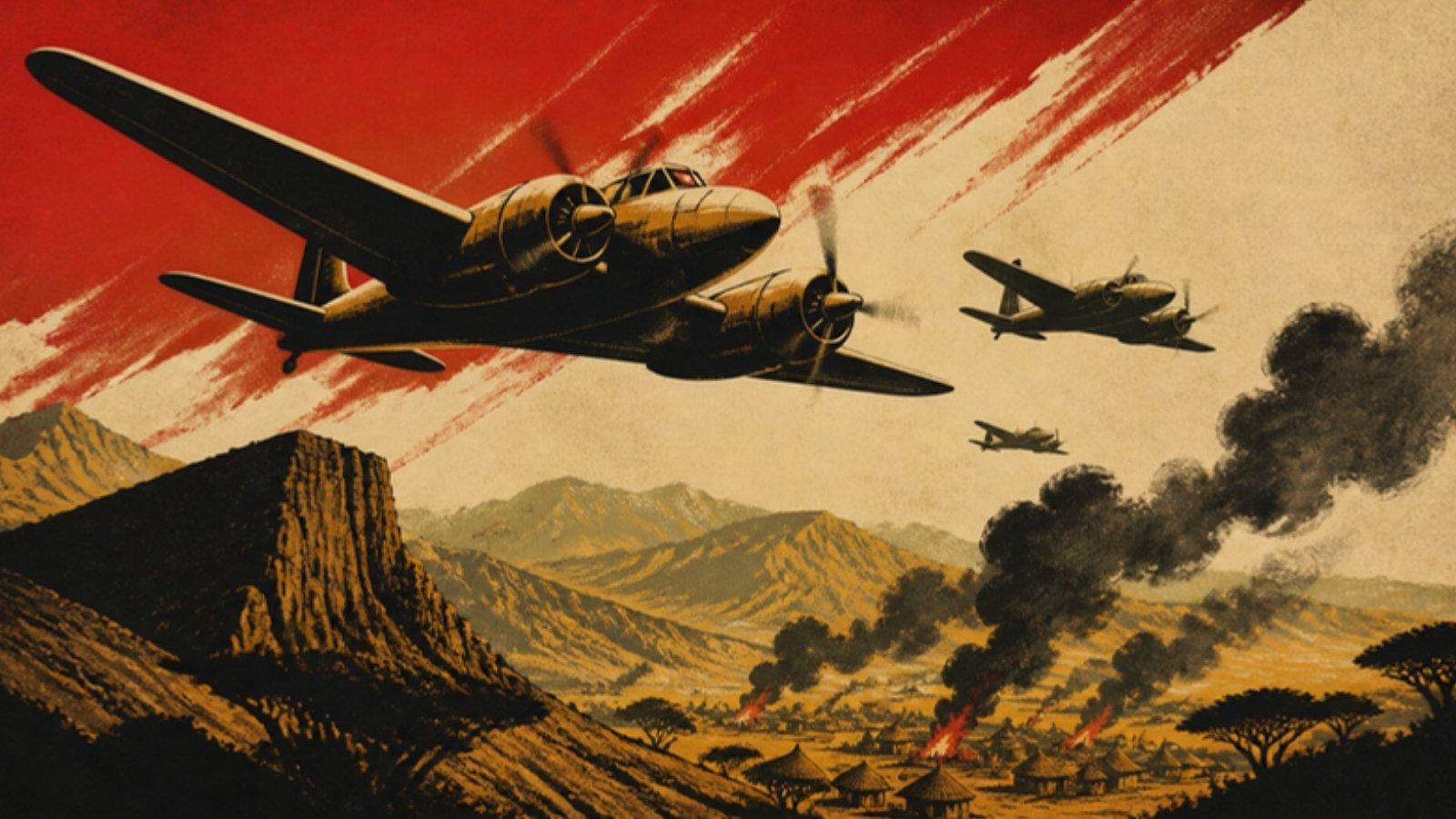
Twelve Russian fighter jets have landed in Ethiopia. Four air defence systems are on the shopping list. And in Tigray, the people who survived the last war are watching the next one take shape.
Let us be clear about what this purchase means. The Su-35 is a heavy, long-range, multirole fighter built to dominate the sky. The S-400 is a system designed to shoot down aircraft across hundreds of kilometres. Nobody buys those weapons to hand out food. They are bought for wars, for deterrence, and for the political message that comes with them. Prime Minister Abiy Ahmed called the delivery a "milestone" and said the planes arrived ahead of schedule. He said this while standing in Moscow at a Russia-Africa summit, with fighting still active in northern Ethiopia. Think about that for a moment. The man who was awarded the Nobel Peace Prize in 2019 flew to Russia to celebrate an arms deal while his own country was bleeding.
We have seen this movie before. Between 2020 and 2022, the war in Tigray killed people on a scale that most of the world chose not to count. Estimates of the death toll range into the hundreds of thousands, through combat, starvation, and disease. The United Nations International Commission of Human Rights Experts on Ethiopia documented sexual violence used as a weapon of war, civilians deliberately starved through blockades and looted food stores, and drone strikes that hit markets, homes, and clinics. Mothers in Tigray buried children who died not from bullets but from hunger that was engineered. Fathers returned to villages that no longer existed. Tens of thousands of people are still displaced, and many still wait for the justice they were promised.
The Pretoria Cessation of Hostilities Agreement, signed in November 2022 under African Union mediation, was supposed to end that nightmare. It was a chance for Ethiopia to show that its wars could finish at a negotiating table. Yet the ink had barely dried before tensions returned, with Eritrea, with the Amhara region, with Oromia, and with the old question of who controls Tigray. Every new front has the same ingredients: armed groups, ethnic grievance, and a central government that treats force as the first answer rather than the last.
Now the weapons pipeline is fattening. Ethiopia has relied heavily on drones from Turkey and China, including Turkish-made armed drones that have been used in strikes across the north. The Ethiopian government's own forces have been accused, repeatedly, of drone strikes that killed civilians. Russia now adds fighter jets and air defences to that arsenal. Turkey sells the drones. China finances the infrastructure and much of the debt. Russia sells the jets and the missiles. Each of them signs contracts, sends delegations, and talks about partnership. None of them asks the one question that matters: who will die when these machines are used?
This is the new scramble for Africa. The European powers of the nineteenth century carved our continent with rulers and treaties. The actors of today use contracts, loans, and arms shipments. The method changed, but the extraction did not. Moscow sells weapons that Addis Ababa cannot afford to ignore, and Ethiopia's taxpayers will carry that debt long after the jets have gone quiet. Beijing lends billions for projects that enrich contractors and leave the bill to ordinary Ethiopians. Ankara moves its drones into African skies and calls it defence cooperation. None of these partners is asking whether Ethiopians can eat, school their children, or walk safely through their own towns. They are asking how much they can sell.
And we must refuse the lazy argument that Africa must choose between dictators and foreigners. We do not. Our task is to hold our own leaders to account and to hold the foreign powers to the democratic values they claim to champion. Russia has no right to lecture anyone about sovereignty while it wages war in Ukraine. Turkey and China should not be allowed to hide behind commercial language while their equipment is used against civilians. And Abiy Ahmed must answer for choosing the photo opportunity in Moscow over the peace that Tigray needs.
So what must happen? First, the African Union Peace and Security Council must stop treating Ethiopia's conflicts as internal matters that can be managed through quiet diplomacy. It must demand full implementation of the Pretoria Agreement, with a public timeline, independent monitoring, and consequences for violations. Second, the UN Security Council should demand transparency on arms transfers to all parties in Ethiopia, including the drones and aircraft used in recent strikes. Third, the Ethiopian parliament must exercise its constitutional oversight. No fighter jet should be paid for, deployed, or celebrated without a public account of its budget, its purpose, and its rules of engagement.
Ethiopia also has the people and the models to do better. Botswana built a stable, prosperous democracy by investing in institutions, protecting property rights, and running its diamond wealth through transparent systems. Mauritius shows what happens when courts are independent, elections are free, and the state does not treat the military as a political tool. Senegal has demonstrated that peaceful transfers of power are possible even when the stakes are high. Ethiopia can choose those paths. It has the intellect, the history, and the citizens who have repeatedly risked everything for change.
Civil society in Ethiopia has a role to play, and it must be protected. Journalists, lawyers, and human rights defenders should be free to document strikes, expose contracts, and challenge the state in court. The private sector should be pushed toward investment that creates jobs in Tigray and Amhara rather than in the defence supply chain. And regional bodies must stop being quiet partners in impunity.
Here is what you can do. Ask your MP, your journalist, and your university lecturer where Ethiopia's new weapons are based and who authorised their purchase. Demand that the African Union publish its assessment of Pretoria compliance. Share the documented testimony of Tigrayan survivors instead of the glossy photos from summits. Refuse to accept that a Nobel laureate's government can be excused for any atrocity.
Twelve jets are not a milestone for Ethiopia. They are a warning. The question is whether we will keep reading about the next strike from a distance, or whether we will finally insist that the people of Tigray deserve peace, justice, and a government that puts their lives above its arsenal.
Based on reporting by ACSS-EMAIL