think-tank
Trump Is Blocking the Return of Chagossians Britain Expelled
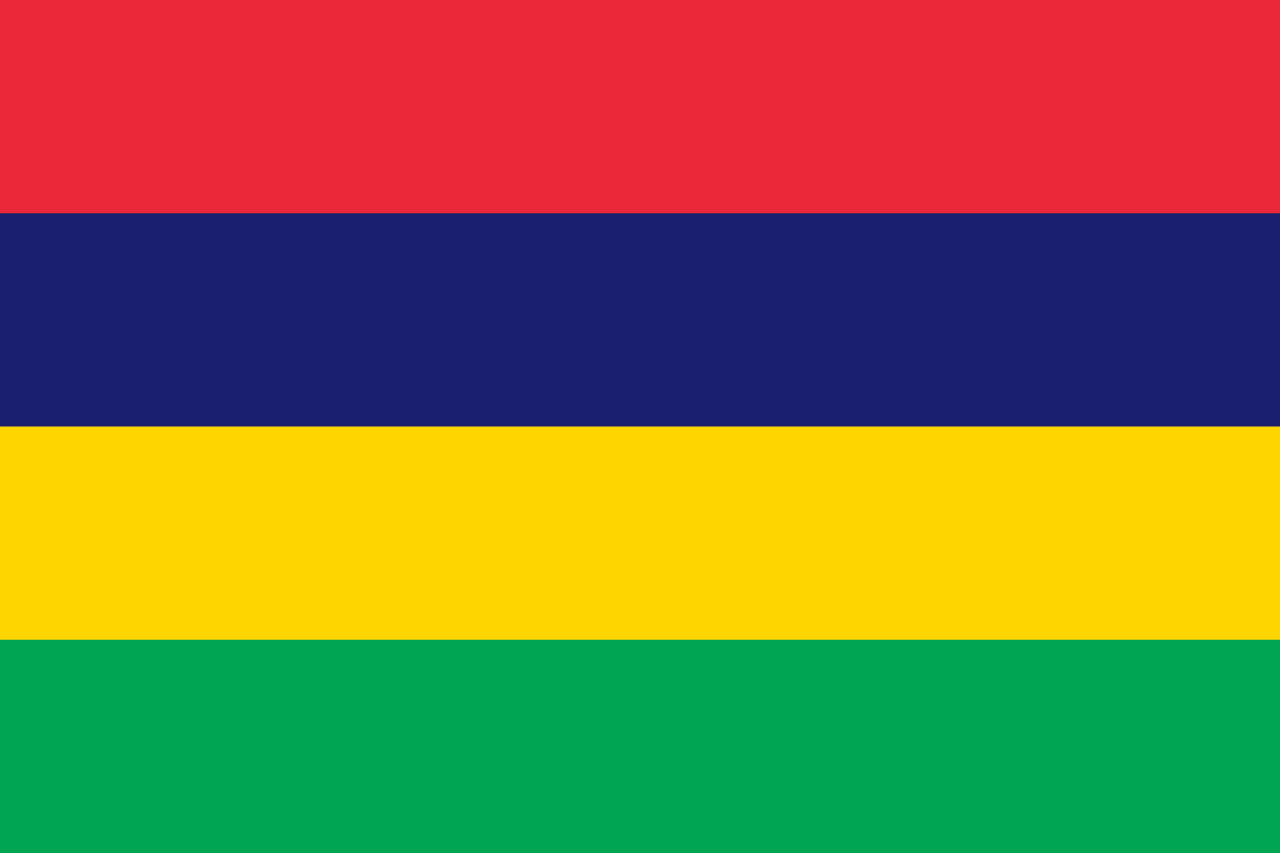
Imagine being told to leave your home within days, with no real reason given and no return date. Imagine the ships taking you away, and the family pets that were left behind and killed. That happened to the Chagossians, the people of the Chagos Archipelago, between 1967 and 1973, when Britain cleared the islands so the United States could build a military base on Diego Garcia. Their grandchildren are now scattered across Mauritius, the Seychelles and Britain, still asking the same question. When can we go home?
The answer should have been settled by now. A May 2025 agreement between Britain and Mauritius would transfer sovereignty over the archipelago to Mauritius while granting Britain a 99-year arrangement over Diego Garcia, keeping the US base running. It was supposed to end a colonial wrong and give the Western powers the security they wanted. Instead, the treaty has stalled. The legislation needed in Britain's Parliament failed to pass. Washington withdrew its support amid disputes with London over Greenland and Britain's refusal to let the island be used for offensive operations against Iran. On 23 September, Britain's Defence Secretary acknowledged that the agreement cannot proceed without American backing.
Let us be precise about who is holding this up. It is not Mauritius. It is not the Chagossians. It is a US administration under President Donald Trump, which obstructed the final stages of an implementation that was, on paper, designed largely to protect American interests. Washington is now blocking the one arrangement that could give displaced people a legal path home, and it is doing so over a quarrel with its own ally.
The evidence of Mauritius's patience is hard to dispute. Its decades-long campaign against British rule in Chagos was built on decolonisation and international law, and it worked. In 2019 the International Court of Justice ruled that Britain's continued administration of the archipelago was unlawful and that the colony should be decolonised. The UN General Assembly backed that opinion. The African Union and India stood with Mauritius, and the pressure eventually forced London to the negotiating table. That is a rare victory in a world where the powerful rarely lose to small states armed with case law.
But winning in court is not the same as winning the outcome. The deal Mauritius accepted reconciled competing priorities: decolonisation, the base, bilateral ties, and the strategic partners of each side. In practice, Mauritius offered Washington exactly what it wanted, legally binding and long-term security for Diego Garcia. Short of abandoning its sovereignty claim, it could not offer more. Yet the Trump administration has not rewarded that accommodation. Instead, Mauritius finds itself with the least leverage of anyone at the table, dependent on decisions made in London and Washington.
Why does this matter so much to Washington? Diego Garcia sits beyond the immediate range of Iranian missiles, which makes it valuable for long-range operations, logistics and the blockade of Iran. Iranian attacks on US installations in the Gulf, including the naval base in Bahrain, have only reinforced its importance. The base's distance from danger is precisely why it matters. But every one of those strategic calculations depends on an agreement with Britain, and Britain's agreement depends on Washington. The Chagossians have been caught in the middle of a great power's security planning for more than half a century.
The timeline is brutal. The current British-US arrangements governing Diego Garcia, first concluded in 1966 and extended in 2016 for 20 years, expire in 2036. Future US administrations might prove more receptive. But the Chagossians do not have the luxury of waiting for an optimistic future. Many members of the generation that was forcibly removed are now elderly. Every year of delay takes another survivor who will never walk the shores of their birthplace. The Chagossian community itself remains divided over the treaty and the terms of return, and competing political and legal campaigns have made a common position harder to reach. In February, activist Misley Mandarin and other Chagossians landed on Île du Coin in the archipelago, a dramatic act that triggered litigation and British court rulings. Such courage deserves a settlement, not another decade of paperwork.
Mauritius faces its own reckoning. Its government is under fiscal pressure, with high public debt and rising import costs linked to the Iran conflict, and it had hoped that treaty payments would help accelerate debt reduction. That is a reality no government can ignore. Yet a nation that built its case on sovereignty cannot let the budget become the reason it accepts less than sovereignty demands. Mauritius should pursue its legal options, as its government has signalled it might, to clarify Britain's obligations and sharpen international pressure. It should also make a direct Mauritius-US arrangement a serious diplomatic offer, even if it would be harder to achieve while the British framework remains in place. Sovereignty is not a bargaining chip to be quietly traded away for comfort.
The solutions are not mysterious. Mauritius has shown that a small African state can govern itself well when its institutions are strong. It has one of the more stable democracies on the continent, a record of peaceful transfers of power, and an economy that diversified beyond sugar into finance, tourism and services. Botswana, too, has demonstrated what disciplined governance and transparent management of resource revenues can achieve. Those are the models Mauritius should lean on now. Treaty payments, if they arrive, should be placed in a ring-fenced trust with independent audit and published accounts, so that every dollar meant for Chagossian resettlement and development can be traced. Any compensation fund must be governed by Chagossians themselves, not by ministers who treat them as a political footnote. And Mauritius should build a broader coalition of African and Indian Ocean partners, using the African Union and the UN to keep this case on the agenda rather than letting it fade behind other crises.
For Britain and the United States, the standard is their own. Britain lectures the world about the rule of law and human rights. Here is a chance to prove it, by honouring a court ruling and righting a colonial expulsion it carried out itself. Washington talks about allies and stability. A durable settlement, not a blocked one, is what stability looks like. Both governments should understand that abandoning a legal agreement because of an unrelated dispute sends a message to every small state watching: your treaties are only as good as our mood.
So what should you do? Demand that the Mauritian government publish its treaty negotiating positions and its legal strategy, and that Parliament hold it to account for both. Demand that British MPs vote on the implementing legislation without another delay. Demand that Washington explain, publicly, why a base agreement is being held hostage to a dispute over Greenland. Demand that the African Union and the Indian Ocean Commission make Chagos a standing item, not an occasional statement. And demand that every Chagossian voice, in Mauritius, Seychelles and Britain, is heard in the terms of return. The people who were removed should decide how they come home.
We have seen what happens when the powerful decide who belongs where, and when the cost is paid by people who were never consulted. We will not accept that the Chagossians, having already lost their homeland once, should lose it again to bureaucratic delay and superpower indifference. The clock is running. Every month of stalling is a month stolen from a dying generation. Call your representatives. Share this story until it is impossible to ignore. Their homeland is not a bargaining chip. It is theirs.
Based on reporting by ISS