think-tank
Trump Is Trading South Africa's HIV Patients for Leverage
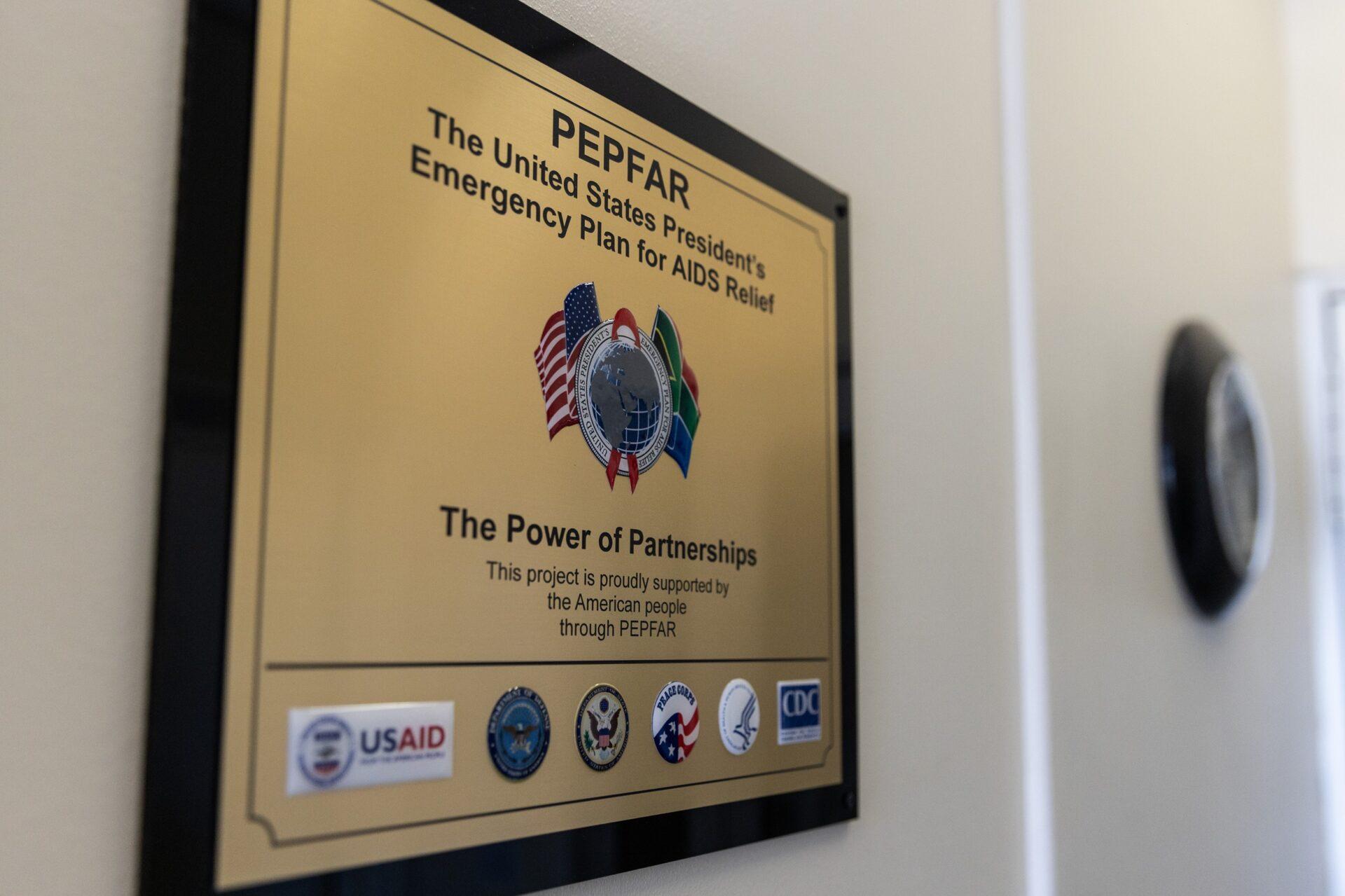
Let us say the quiet part out loud. When a government decides that people dying of a treatable virus are a line item to be negotiated, something has gone rotten at the core of the relationship. Millions of South Africans who depend on antiretroviral drugs to stay alive are now watching their clinics, their prevention programmes, and their futures become leverage in a deal they were never invited to sign.
South Africa carries the largest HIV epidemic on earth. More than seven million of its citizens live with the virus. For two decades, a large share of the funding that kept those people on treatment came from the United States, primarily through the President's Emergency Plan for AIDS Relief, known as PEPFAR. That money bought drugs, trained nurses, tested mothers during pregnancy so babies would not be born infected, and tracked patients who might otherwise have vanished from the system. When Washington froze foreign assistance in early 2025 and then moved to cut aid to South Africa specifically, the shockwaves reached rural clinics where patients queue before dawn for their monthly pills. Not one of those patients was consulted. Not one of them voted for this.
Consider what that means in human terms. A mother who misses her medication can develop resistance, and a resistant strain is harder and more expensive to treat. A teenager who stops attending a prevention programme can become one of the thousands of new infections South Africa has struggled to bring down for years. Every disruption in supply is measured not in budget lines but in funerals. The World Health Organization and UNAIDS have repeatedly warned that interruptions in HIV services produce exactly this cascade. Those warnings were issued before the cuts. We are now living inside the consequences.
The administration's defence is that it is replacing charity with partnership, that Africa must stop depending on handouts and start doing business. There is a seductive sound to that argument. We agree that dependency is a trap. We have written that for years. But a partnership in which one side holds the medicine and the other side holds the bill is not a partnership. It is a hostage arrangement with better lighting. When engagement becomes "deal-based," the question is never what your people need. The question is what you can give up to keep the lights on. Washington has made clear that aid, trade, minerals, migration, and diplomatic alignment will be bundled together and priced accordingly. The Democratic Republic of Congo has already been pulled into talks over mineral access tied to its security crisis, a country where millions have been displaced by a war its own government links to Rwanda. Such a playbook is now on the table for the whole continent.
And let us be honest about the hypocrisy. For decades, Western governments have lectured African leaders about human rights, transparency, and the sanctity of life. Those values were supposed to be universal. Yet when the bill came due for the people who depend on them, the values were the first thing to be auctioned. You cannot preach the dignity of every human being on Monday and then cut the lifeline of a nation's HIV patients on Tuesday because the trade talks went badly. The West must be held to its own standards, and right now those standards are failing a continent that has done more than its share to fight this pandemic.
But we also must look in the mirror. South Africa's response to HIV has been politically captured for too long. Its public health system has been battered by procurement scandals, corruption, and administrative neglect, and some of the country's most damaging policy errors came from leaders who questioned the science of antiretrovirals altogether. A government that spends years debating whether the virus even causes AIDS does not earn the right to be surprised when external money dries up. Dependence on foreign donors was a choice made, repeatedly, by Pretoria's own elites who preferred headlines to hard budgeting.
So what should be done? The answer is not to beg Washington for a better deal. It is to build a system that cannot be held hostage. Start with the money. South Africa has the fiscal capacity to fund a larger share of its HIV response if it prioritises health over the bloated spending that drains the public purse. Ring-fence the HIV budget in law, publish every rand spent on antiretrovirals and testing, and let parliament and civil society audit it line by line. Open procurement for medicines to competition, which means breaking cartels and welcoming generic manufacturers. South Africa already hosts pharmaceutical firms capable of producing generic medicines at scale. Give them clear rules, predictable contracts, and protection from political interference, and you turn a vulnerability into an industry.
Look at the neighbours who got it right. Botswana built one of the most successful HIV treatment programmes in Africa by committing its own revenues to the cause, investing in data systems, and treating the response as a national priority rather than a foreign project. Uganda showed that prevention works when leaders speak plainly and the state stays out of the way of community groups. Rwanda's health insurance model, whatever its authoritarian shortcomings, demonstrates that predictable domestic financing can reach people in villages that donor cycles often forget. The lesson is simple. Sustainable health systems are built by accountable governments that spend wisely, not by governments that depend on the mood of foreign capitals.
Civil society and the private sector have a role here too. Community health workers, patient advocacy groups, and faith organisations are already the backbone of the response. They need transparent funding and the legal freedom to hold officials to account. Businesses that benefit from a healthy workforce should invest in workplace testing and treatment. Regional bodies like the African Union and the Southern African Development Community should pool procurement, share manufacturing capacity, and refuse to let any single donor set the terms of public health for the region.
Now the part that matters most. Citizens of South Africa, and of every African nation watching this unfold, must demand answers. Ask your MP how much of the HIV budget is protected and where the shortfall will come from. Ask your health minister for a published plan showing how every patient on treatment will stay on it. Ask your government why it has not yet built a domestic financing pathway that makes the next aid cut survivable. Ask Washington whether the human rights it champions abroad apply to the people it is now pricing in trade talks. And ask yourself which leaders have earned your trust, and which have only earned your patience.
Africa does not need another bargain struck over the bodies of its people. We need governments that treat health as sovereignty, institutions that cannot be bought, and citizens who refuse to be treated as collateral. The medicine that keeps a mother alive should never be a negotiating chip. Demand that it never is again.
Based on reporting by SAIIA