general
Three Sahel Juntas Walked Out on Democracy and Now Want Back In
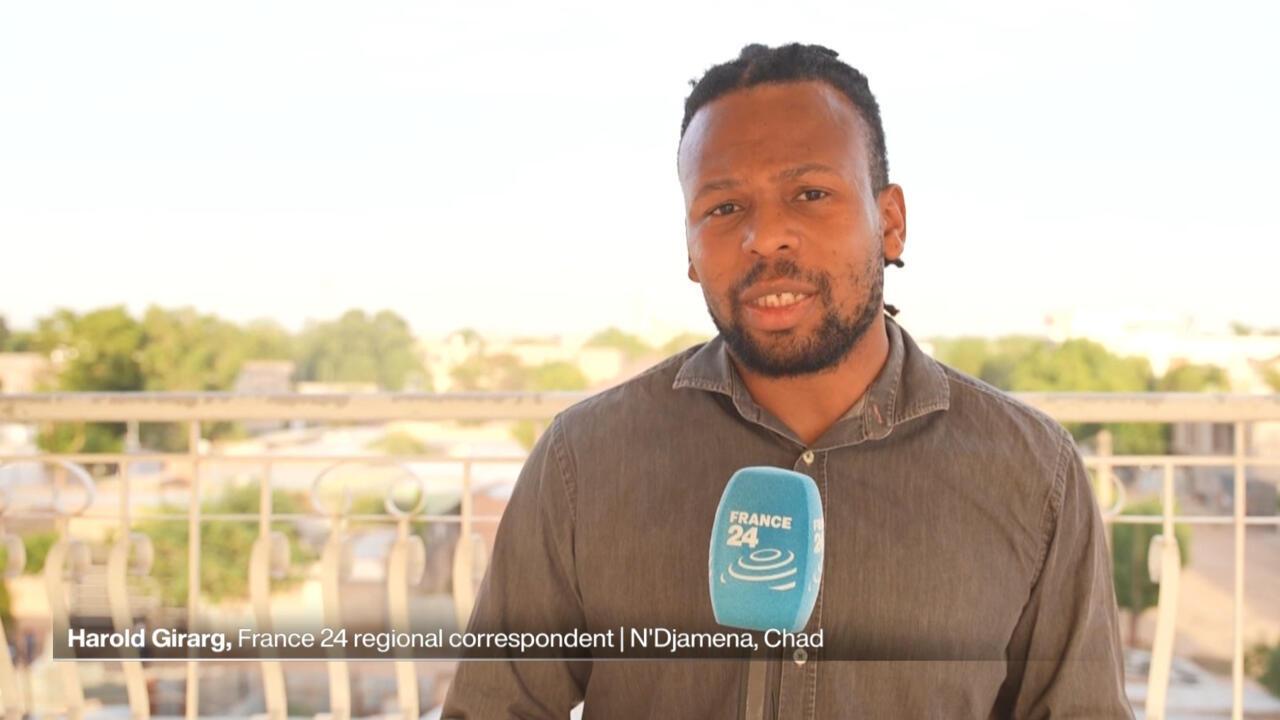
Let's be plain about what happened on Saturday. Three men in uniform seized power in three countries, tore up the election timetables, expelled the regional bloc that demanded those elections, and then, when the bill came due, asked to sit back down at the table. Mali, Burkina Faso and Niger resumed dialogue with the Economic Community of West African States, the bloc they quit more than eighteen months ago. They agreed to work toward a "framework agreement" on cooperation. Cooperation. Ask the families of the Sahel what that word has meant to them.
Here is the record. Mali's army overthrew its elected president in August 2020 and struck again in May 2021. Burkina Faso's officers took power in January 2022 and again in September 2022. Niger's presidential guard detained Mohamed Bazoum in July 2023, and he remains in detention. Each junta promised a transition. Each one stretched that promise into years, then rewrote the rules to keep the uniforms in charge. In 2023 the three states formed the Alliance of Sahel States, announced their exit from ECOWAS in January 2024, and made the exit formal a year later. Mali dissolved its political parties in 2025. A bloc of nations that once celebrated its democratic credentials now hosts governments that have stopped pretending to hold elections at all.
Follow the money and the weapons, because they tell you who these regimes answer to. France's troops were pushed out of Mali, Burkina Faso and Niger between 2022 and 2023. Russia's Wagner Group arrived in Mali, and after 2024 its operations were rebranded as the Africa Corps under Moscow's direct control. Turkey's Bayraktar TB2 drones have been seen over Sahel battlefields, and the juntas have used them against their own populations. Gold flows out of Mali's mines while the state's own revenue disputes with foreign operators make headlines. Every foreign power in this story sells a different slogan, but each one sells the same product: access to resources in exchange for protection from the people who live on them.
And who pays? The ordinary Sahelian. Jihadist violence has spread across the region for more than a decade, and by most UN counts millions of people have been displaced inside these three countries. Thousands of schools in Burkina Faso have been closed, which means a generation of children is being told that their future is a luxury. Civilians caught between jihadist groups, government forces and state-backed militias have been killed in massacres that human rights groups have documented again and again. A junta that cannot protect its own schoolchildren is not a sovereign government. It is a hostage-taker with a flag.
Now, honesty requires us to say that ECOWAS did not come out of this clean. Its 2023 sanctions on Niger closed borders and choked medicine, fuel and food for ordinary families, while the men who staged the coup kept their palaces. Its talk of military intervention in August 2023 was never backed by a credible plan, and it collapsed when the juntas called the bluff. Those failures handed the generals a story they were happy to sell: that the region's democracies were tools of outsiders. That story is a lie, and we must say so. But the answer to a flawed regional bloc is a better regional bloc, not a surrender to men who have no mandate.
So what should happen? Start with a rule that cannot be bargained away. Any framework agreement must include binding, dated election calendars for all three countries, with independent electoral commissions and international observers. Release of Mohamed Bazoum should be a precondition for normal diplomatic relations, not a footnote to a press release. ECOWAS must reaffirm that its own Court of Justice remains open to citizens of every member state, including those whose governments have tried to close it. Re-engagement should be tied to measurable steps, not to photo opportunities.
Look at who is getting it right. Senegal in 2024 saw a sitting president attempt to postpone elections. The Constitutional Council overturned that move, the courts and civil society held their nerve, and Bassirou Diomaye Faye won and took office through a peaceful handover. Ghana has passed power between rival parties through the ballot box for decades. Botswana and Mauritius have built prosperity on property rights, transparent institutions and independent judiciaries, and they are proof that African economies do not need coups to grow. These are not foreign models. They are our own, and they work.
Economics matters here too. Free movement across West Africa, open borders for trade, and the African Continental Free Trade Area are not abstractions. They are the difference between a trucker feeding Bamako and a family starving in Niamey because a checkpoint was closed by decree. A center-right African vision says the market is the most powerful anti-junta weapon we have: when traders can move, when investors can trust contracts, when courts can enforce them, a general's monopoly on the economy begins to crack. Those who profit from closed borders are the ones who profit from closed minds.
And now the call to action. We are speaking to the citizens of Mali, Burkina Faso and Niger first. Demand a timetable with dates, not promises. Demand that your leaders explain why the people were stripped of their vote and what they are being sold in exchange. To the diaspora in Paris, Abidjan, Lagos and Johannesburg: amplify the voices inside the Sahel that the regime is trying to silence, and refuse to let these juntas be laundered into respectability. To ECOWAS: do not sign a framework agreement that legitimizes unelected rulers without a binding return to the ballot. To the African Union: keep the suspensions in place until the transitions are real. To the UN Security Council and to the foreign capitals selling drones, mercenaries and mining contracts: you lecture Africa about democracy in every summit communiqué. Prove it here.
We did not choose these generals. But we are responsible for what we tolerate. Three countries walked out on their own people, and the price is being paid in classrooms, clinics and graves. The question is not whether the Sahel will return to democracy. The question is how many more years we will let the juntas bargain with our future before we insist on the only deal that matters: the vote, returned to the people.
Based on reporting by FRANCE24