acss-digest
Madagascar's Transition Junta Is Choking the Democracy It Promised
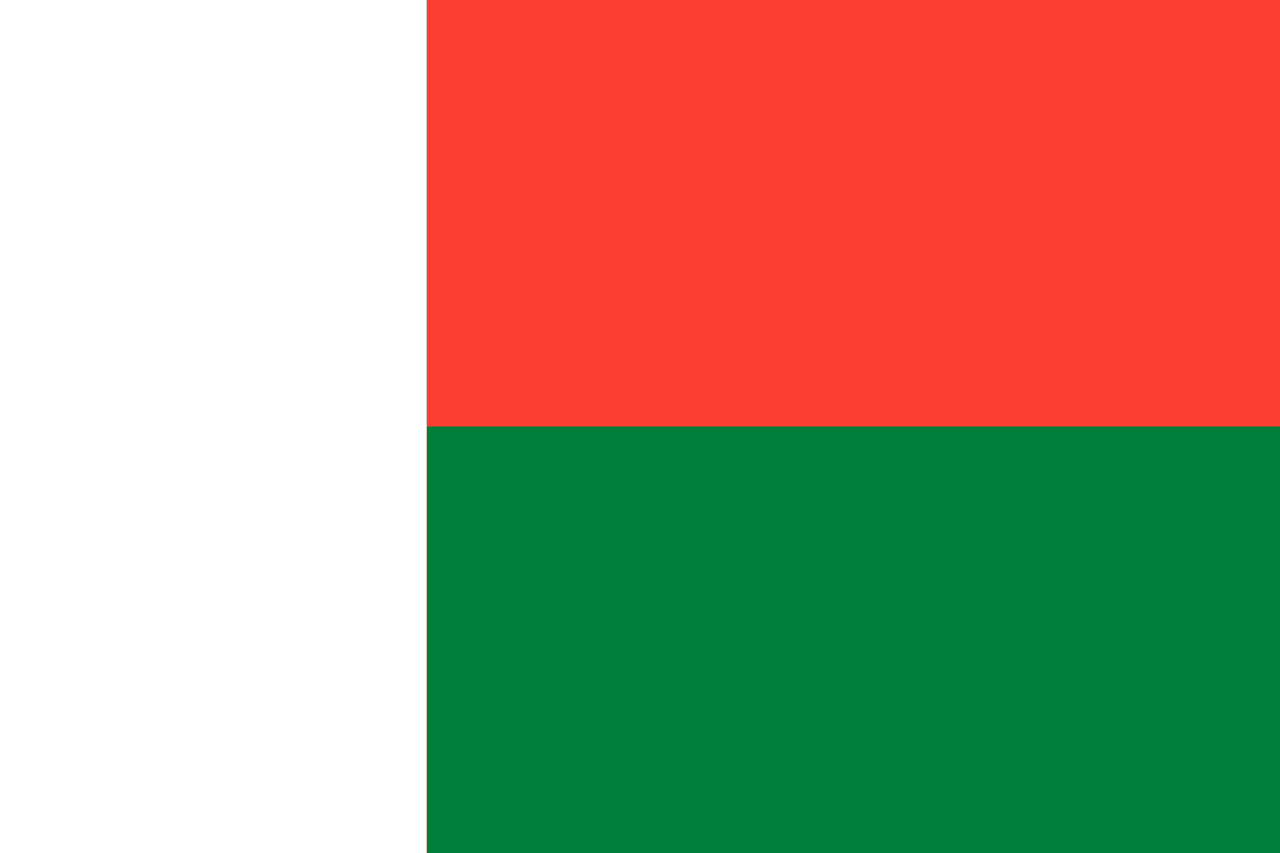
A year after seizing power in Antananarivo, Madagascar's military rulers still have not opened the national debate they promised the citizens. The official timetable for the national consultation, published in August by the Council of Churches of Madagascar (FFKM), foresaw the start of consultations. We are now at the end of October 2026, and no date has been confirmed. The facilitators are "about to be" deployed. Translation: they have not started yet.
Ask yourself a simple question. How long can a people wait to be asked its opinion on the form of the state that governs it? For Malagasy citizens, the answer is already written in the calendar. Every week of delay steals time from those who most need a clear constitution: the young, the farmers, the market women of Tana and the villages of the South who have never set foot in a polling station. A consultation process that does not start is a democracy that cannot breathe.
What makes this delay so serious is its function. The consultation is not decorative paperwork. It is meant to feed one or more draft constitutions, which will be submitted to Malagasy voters by referendum no later than July 2027. In other words, the consultation is the only moment when popular sovereignty can weigh on the rules of the game before they are carved in stone. If that moment is emptied of substance, through slowness, opacity or control of the calendar, the referendum will be nothing more than a rubber stamp.
Let us return to the facts, because we are not here to make noise. The de facto authorities took power in October 2025, after months of youth protests against water and power cuts and against the governance of the old regime. These young people, Madagascar's Gen Z, demanded accountability. They won a change of regime, but not the return of power to the people. A soldier who promises two years of transition to "refound" the state must then prove, day after day, that this refounding is real. Yet the first test, that of the calendar, has already been failed.
The FFKM, for its part, is doing what it can within a framework it does not control. The Church has real moral legitimacy in Madagascar, it has played a mediating role in past crises, and it deserves respect. But a religious institution cannot, on its own, guarantee the sincerity of a military transition. The FFKM announces facilitators, consultations and meetings. It confirms no dates. That caution can be understood. It must not serve as a screen for a power that has not yet decided how much it truly wants to give back the word.
We must be clear-eyed about the possible motives for this delay. It may be logistical incompetence, a bankrupt state, transport networks that fail in a country where roads become impassable in the rainy season. It may also be calculation: buying time, preparing a text tailored to fit, preserving the privileges of those who hold the levers. Good faith is proven by deeds, not declarations. And the simplest deed, publishing a timetable that is kept and transparent conditions for consultation, has not yet been done.
Madagascar is not an isolated case, and this is where the lesson becomes continental. For a decade, the Sahel and Central Africa have watched juntas multiply, promising short transitions and then settling in. In Mali, Burkina Faso and Guinea, "refoundation" has too often meant extending military rule, postponing elections and rewriting the rules for the benefit of those who wrote them. Each time, the same tune: the consultation is launched, then slowed, then hollowed out. Each time, the citizens pay the bill.
What is at stake in Antananarivo therefore concerns the whole continent. If a regime born of a coup can gain eighteen months by letting the consultation rot, it will have learned its lesson, and others will follow. African democracy will not fall only under bullets. It will suffocate in badly kept calendars, consultations "being prepared" and rigged referendums that consult no one.
So what is to be done? Concrete answers exist, and Africa has already proven their worth. The first is a public, binding timetable with firm dates for every stage: launch of consultations, collection of proposals, drafting, publication of the text, referendum campaign. A timetable that is not kept must be explained publicly, before the people, with consequences. The second is the real independence of the electoral body and the drafting commission, with members appointed on the basis of competence rather than loyalty to the power in place. The third is a clear, written and respected rule: no member of the transition government or of the junta may stand in the elections that follow. Without this rule, the transition becomes a disguised election campaign.
Senegal showed the way in 2024. When outgoing president Macky Sall tried to postpone the presidential election, civil society, political parties, the judges of the Constitutional Council and a mobilized public opinion refused that step back. The election was held in March 2024, and the transfer of power took place calmly. Botswana has shown for decades that sober governance, solid institutions and credible elections can endure. Mauritius built its prosperity on institutional stability and economic freedom. Madagascar has its own inheritance: a vigorous civil society, churches that know how to mobilize, a youth that has already shown it will no longer be lulled to sleep. This capital must be used.
Regional actors bear responsibility too. The African Union and SADC must demand a verifiable timetable and independent observers from the launch of the consultation. Not satisfied communiqués every six months, but real oversight, with public reports. As for international partners, who love so much to talk about democracy, it is time they financially backed citizen consultation, without conditioning their aid on a geopolitical agenda and without closing their eyes to delays.
And you, Malagasy citizen, what must you demand? A date. One single date, published, signed, binding. Trained facilitators, present in every region, including the most isolated areas. A space for speech accessible to women, young people, trade unions, farmers and independent journalists. The right to see the draft constitution before it is submitted to a vote, with the time needed to read it, discuss it and contest it.
We are not asking for the impossible. We are asking for what the constitution itself promises: that power belongs to the people and is exercised through the people. If the consultation timetable remains a pious wish, the transition will have failed before it even began. There is still time to save it. But time, precisely, is the one thing Malagasy citizens no longer have to lose.
Based on reporting by ACSS-EMAIL