acss-digest
Our States Have Left Half of Africa Offline
More than one African in two still has no access to the Internet in 2026. This is not a statistic from 1995. It is today. While start-ups in Lagos and Nairobi raise funds on their phones, millions of young Africans live as if the digital world unfolds in another galaxy. A schoolgirl who cannot download a single online lesson. A farmer who has no idea what maize sells for at the next market. A district doctor who cannot send a patient file to the regional hospital. This is what "digital divide" means. It means shrunken lives, opportunities confiscated, generations sacrificed on the altar of inaction.
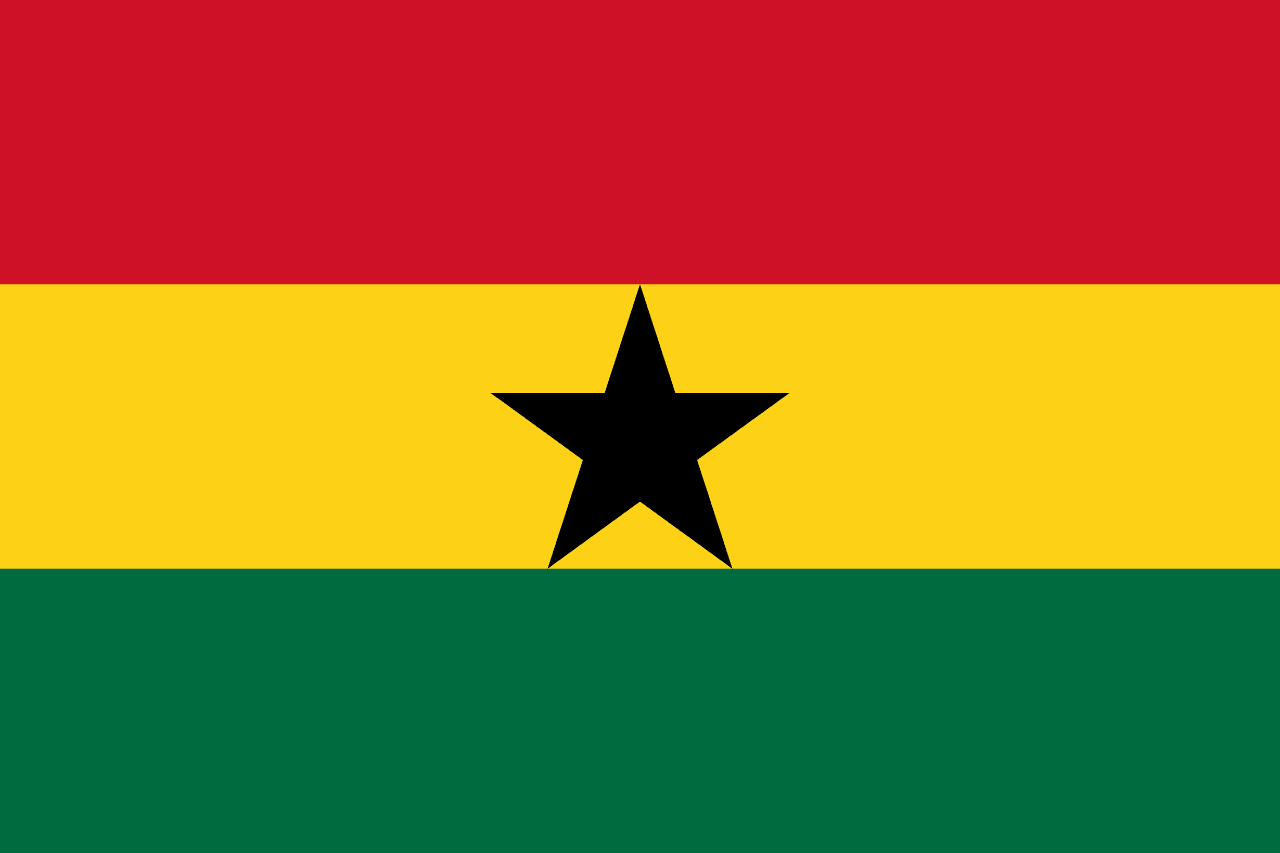
Ghana's Minister of Communications, Digital Technologies and Innovations, Samuel Nartey George, took the floor at the 2026 Plenipotentiary Conference of the International Telecommunication Union, PP-26, in Doha. He said what every clear-eyed African has known for twenty years: connectivity must stop being a privilege of city dwellers, and emerging technologies must benefit everyone. He is right about the diagnosis. But a diagnosis has never laid a fibre-optic cable, trained an engineer, or connected a rural school. It is time to move from speeches to action, and to ask the real questions.
Why do so many Africans remain offline? The answer is not only technical. It is political, fiscal and economic. In many countries on this continent, telecom licences were awarded in opacity, spectrum frequencies were sold to cartels, and taxes on devices and data rank among the highest in the world. When an entry-level smartphone costs the equivalent of several weeks of minimum wage, the network is not what is missing first. Purchasing power is, and that is a public policy choice. Uganda even introduced a tax on social media use in 2018, a perfect symbol of how governments prefer to control speech rather than widen access.
Then there is the question of who builds our digital infrastructure. A large share of the mobile networks and fibre backbones on the continent has been built by Chinese companies, notably Huawei and ZTE, under financing and partnership arrangements that, depending on the case, have created lasting technological dependence. The United Arab Emirates is investing heavily in data centres and African artificial intelligence. Qatar, which is hosting this conference, is cultivating its media and digital influence across the continent. American and European actors lecture us on data protection while siphoning our personal information onto their servers. Each has its interests. None comes in the name of our children. And whoever builds the cable, holds the data and writes the algorithms always ends up writing the rules of the game.
Ghana announces the construction of a national computing centre dedicated to artificial intelligence, meant for research, innovation and entrepreneurship, with a promise of responsible, ethical and inclusive AI. The ambition is just. But let us ask one simple question: who will own the data that feeds this centre? Who will audit the models? Who will decide which African languages get integrated, and at what price? An "inclusive" AI that merely subcontracts for foreign companies would reproduce the old colonial logic in a new form: we supply the raw material, others manufacture the value. AI models have already been trained on African content collected without consent. This must stop.
The continent knows how to do it. Mauritius built a credible financial and digital hub on the strength of its institutional stability, a recognised rule of law and a readable tax system. Botswana proved that rigorous governance and an open economy can turn a resource into lasting prosperity. Senegal, despite its tensions, demonstrated that democratic alternation remains possible when institutions hold. Rwanda made fibre-optic networks and digital identity national priorities, and this model inspires many of our neighbours. But the same Rwanda sends its troops to occupy eastern Democratic Republic of Congo, as documented by the reports of the UN Group of Experts on the DRC. We cannot celebrate one country's connectivity while closing our eyes to Congolese villages looted by its soldiers. Technology never excuses aggression. No digital showcase whitewashes a war.
So what do we do? First, publish the results of every licence award and every spectrum auction, with the names of the beneficiaries and the amounts paid. Transparency is not a favour to investors. It is the condition for trust. Next, drastically reduce taxes on devices, data and access to digital services, because a tax that excludes is a policy of exclusion. Open infrastructure to competition, with fair access to backbones and internet exchange points, so that small local businesses can truly participate. Apply the African Union Convention on Cyber Security and Personal Data Protection, in force since 2023, and demand that every state turn it into effective law, with independent authorities endowed with real resources. Finally, turn the African Continental Free Trade Area into a genuine digital market, with common rules on data flows, recognition of electronic identities and taxation of online trade.
And citizens? They have more power than they think. Ask your MP how many frequencies were sold last year and at what price. Ask your minister where the data of the future AI centre will be hosted and who will have access to it. Support the civil society organisations that monitor the digital divide and document internet shutdowns, shutdowns that, too often, fall conveniently during elections. Demand that Internet access be treated as an essential public service, on a par with water and electricity, and not as a rent reserved for insiders.
Minister Nartey George spoke in Doha of international cooperation and investment. Those words will not be enough. What is needed is governance that protects citizens' rights, institutions that answer to the people, and foreign partners who agree to respect our rules rather than circumvent them. We are not asking for charity. We demand digital sovereignty, freedom of access and dignity. The continent that invented mobile banking can invent the future. But our leaders must finally decide that connecting every African is not an option. It is an obligation.
Based on reporting by ACSS-EMAIL