sudan-conflict
South Sudan's Security Forces Are Looting the Aid Feeding Its Children
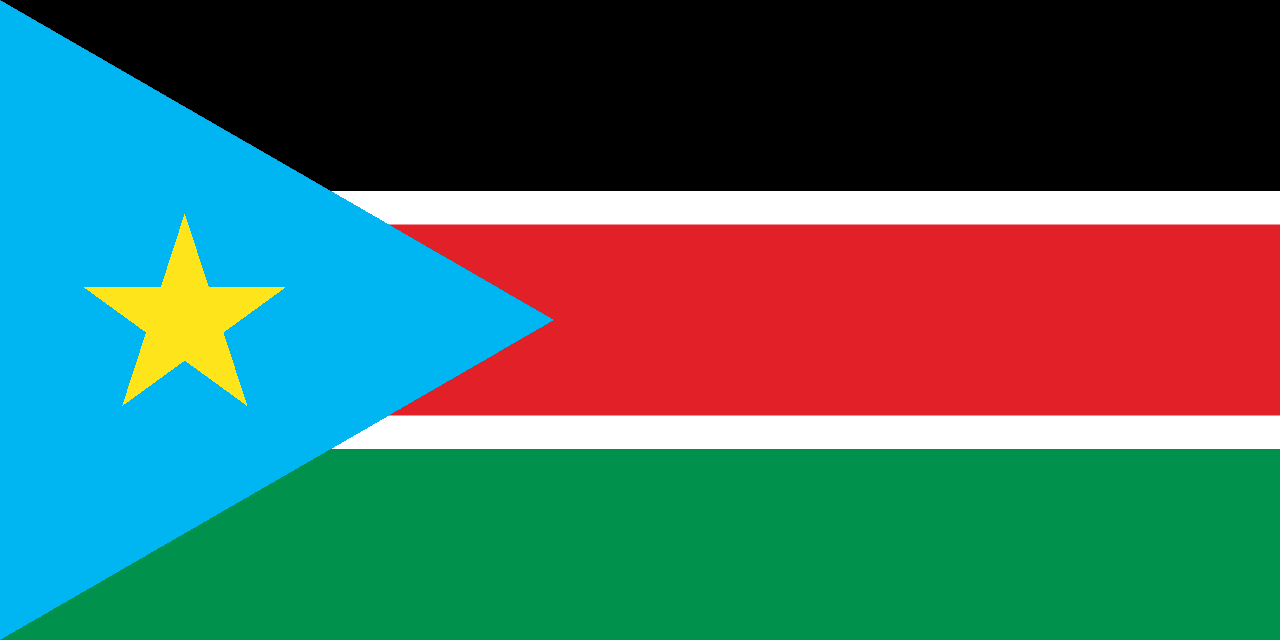
Think about a mother in Jonglei state who has been told that the nutrition center down the road will have supplies this week. The truck never arrives. The boats that were supposed to bring the food have been taken by armed men. The aid workers who were going to measure her child's arm and hand over a packet of therapeutic food are sitting in a police cell, or have been driven out of the country. Nobody bothered to tell her why.
In October 2026 alone, humanitarian access across South Sudan was blocked, attacked, taxed, or confiscated 79 times. Nearly half of those incidents involved violence against aid workers, their vehicles, or their facilities. Eighteen more were restrictions on movement. At least twelve humanitarian workers were detained or arrested, one was wounded, and at least four were forced to relocate. These were not random acts of chaos. They were concentrated in Central Equatoria, Jonglei, Upper Nile and Unity, and they follow a pattern that anyone who has watched this country for a decade will recognize.
Let us be precise about what happened, because precision is how we refuse to let the perpetrators hide behind vague language like "insecurity" and "access constraints." In Wau County, seven staff members of an international non-governmental organization were detained while running a cash distribution that was meant to reach 5,500 people. In Jonglei, military movements and insecurity pushed staff out of Pieri and Koliet and cut off supplies to three nutrition facilities serving 334 children. In Nyirol County, the threat of attack shut off access to Limkun for two weeks, leaving 3,120 people without services. In Ayod County, armed actors forced the offloading of food intended for 4,400 people at a location of their choosing. That food was meant for families. It ended up wherever the guns decided.
The pattern continues in the assets themselves. Two humanitarian vehicles were impounded for more than a month in Western Equatoria and Northern Bahr el Ghazal. Armed forces seized two humanitarian boats in Unity State. Flights carrying personnel and supplies to Pieri and Chuil were refused. In Unity, checkpoint personnel reportedly demanded 175,000 South Sudanese pounds, roughly 22.7 US dollars, in sub-national registration fees payable to security departments. Think about what that means. A humanitarian convoy is being shaken down like a market trader, and the money goes into the pockets of the people who are supposed to be guaranteeing its safe passage. In Jamjang, five fuel trucks supporting operations were stranded after drivers' documents and waybills were confiscated and payment was demanded. In Juba, a senior INGO staff member was detained by security officials and then expelled on the orders of the Ministry of Foreign Affairs. The aid worker was not the one who failed the country. The country's own officials were.
Then there is the detail that should keep every South Sudanese citizen awake. Interference with recruitment and administrative procedures disrupted garbage collection at the displacement camp in Bentiu and affected humanitarian partners in Nasir. Garbage collection. In a camp where people already live with flooding, disease and little shelter, the state's bureaucratic obstruction means more waste, more contaminated water, and more children with diarrhea. This is what governance failure looks like at ground level. It does not always arrive as a bullet. Sometimes it arrives as a rotting pile of trash outside a family's tent.
We need to be honest about the context, because this did not begin in October 2026. South Sudan became independent in 2011 with the world's blessing and enormous hope. Within two years, the country had plunged into a civil war between factions loyal to President Salva Kiir and former vice president Riek Machar, a conflict that killed hundreds of thousands and displaced millions. A peace agreement signed in 2018 promised a transitional government, unified security forces, and elections. Those elections have been postponed again and again. The 2018 deal was supposed to end a war. Instead it became an agreement to share power among the same elites who started it, while the people beneath them paid the price. Meanwhile, the state depends overwhelmingly on oil revenue, and the security sector has grown fat on patronage. When a government lives on oil money and answers to its own armed factions rather than its citizens, humanitarian workers become a source of leverage, a bargaining chip, or a revenue stream.
Who benefits from this? Not the mothers in Ayod. Not the 334 children whose nutrition supplies never arrived. Not the 5,500 people in Wau who waited for cash that was never handed out. The beneficiaries are the checkpoint commanders collecting fees, the officials who expel inconvenient foreigners, and the political elites who understand that a starving population is easier to control than a fed one. Every impounded truck is a message: the state decides who eats.
So what must change? The answer is not complicated. It is a matter of will, and of institutions that make that will binding. First, the government in Juba must publish, in writing, a clear schedule of every official fee, permit and inspection that applies to humanitarian operations, and it must abolish any charge that is not in law. Checkpoint commanders who demand payment should be suspended and prosecuted, not promoted. Second, the government must issue a standing directive, enforceable in court, guaranteeing that humanitarian convoys, flights, boats and staff are exempt from seizure and detention when carrying out approved activities. A country that wants investors and donors must first prove it respects property rights and the rule of law. South Sudan has neither right now.
There are models to learn from. Botswana built one of the most respected economies in Africa on diamonds by insisting on transparent institutions, consistent rules and an independent judiciary, and it has kept its democratic order intact for decades. Mauritius turned a sugar island into a financial and services hub by making contracts enforceable and corruption expensive. Ghana, whatever its current struggles, has shown that power can change hands peacefully when institutions are allowed to function. None of these countries is perfect. All of them understand that predictable rules are the foundation of both prosperity and peace. South Sudan does not lack the raw materials for a functioning state. It lacks accountability.
The international community also carries responsibility. The UN Security Council imposed an arms embargo on South Sudan in 2018, and it should be pressed to use the sanctions regime it already has to target officials who obstruct humanitarian access, extort aid agencies, or order the detention of relief workers. Regional bodies, including the African Union and IGAD, cannot keep issuing communiqués while aid trucks are impounded on their watch. They should demand public accountability with named officials and specific timelines. And donors who fund South Sudan's humanitarian response should tie future disbursements to verifiable access guarantees, not just to the glossy language of partnership.
Now to you, the reader, and to every South Sudanese who has ever stood at a checkpoint and watched a bribe become the price of passage. Demand that your government publish the fee schedule. Demand that the officials who detained aid workers be named, investigated and charged. Demand that the Ministry of Foreign Affairs explain in public why a senior humanitarian was expelled. Demand the release of impounded vehicles and boats. Support the journalists, lawyers and civil society groups who are documenting these abuses, because silence is exactly what the people responsible are counting on. Above all, refuse to accept the lie that this is just how things work here. Hungry children are not a cost of doing business. A state that robs its own people's food is not a government. It is a thief with a flag.
Based on reporting by RELIEFWEB