acss-digest
Russia's Recruiters Are Selling Zimbabweans to Die in Ukraine
How much is a young African man's life worth to a recruiter in Moscow? Ask the ten Zimbabweans now sitting in South African custody. They were not headed to a job in a factory or a university scholarship. They were boarding flights to a war in Europe, to fight for a government that has never once asked whether they live or die.
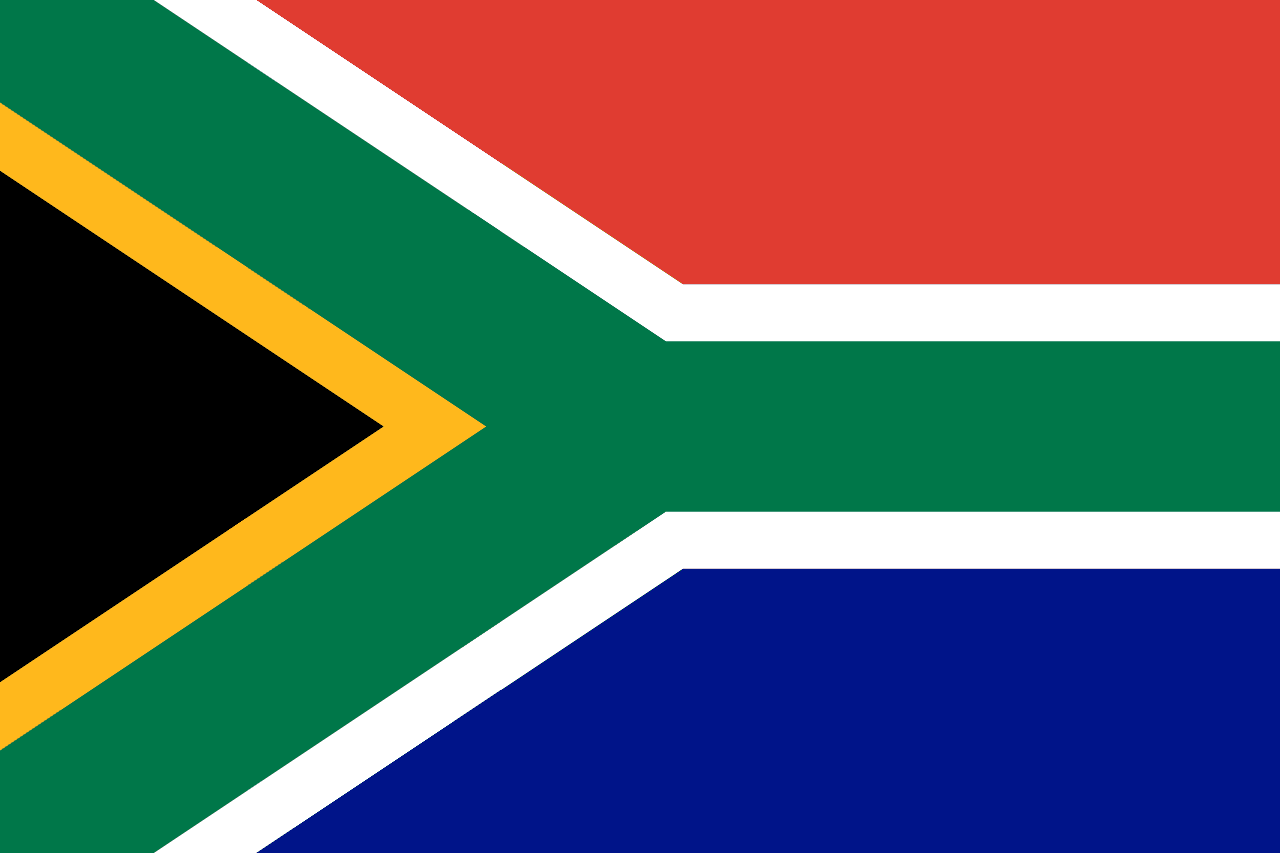
This week, South African police and Interpol broke up what authorities describe as recruitment drives tied to the war in Ukraine. Nine men were arrested first. A tenth followed on Thursday. Four were picked up at a hotel in Johannesburg while they were preparing to board flights to Russia, according to police spokesperson Katlego Mogale. Five of the suspects had already appeared at the Kempton Park Magistrates Court, where prosecutors signaled they would oppose bail. All nine of the initial suspects have been identified as Zimbabwean nationals.
Let us be clear about what this is. Russia launched a full-scale invasion of a sovereign European state. It has bombed hospitals, schools, and apartment blocks in Ukrainian cities. Mothers in Kharkiv and Kherson have buried children killed by Russian shells. And now the machinery of that war reaches into our own continent, hunting for young men who have few options at home and promising them money they may never see.
The Law Stands, But Who Is Building the Pipeline?
South Africa's Foreign Military Assistance Act of 1998 prohibits citizens and residents from serving as mercenaries or recruiting others to do so. The law exists for good reason. It was written in the wake of apartheid-era abuses and the mercenary adventures that bled African states dry in the decades after independence. South African officials deserve credit for enforcing it here, and the joint work with Interpol shows that cross-border policing can function when governments choose to act.
But enforcement at a hotel check-in desk is the last line of defense, not the first. The question every African should be asking is this: who built the pipeline that brought these men to Johannesburg with plane tickets in hand? Who promised them work abroad? Who paid the middlemen, and who will be waiting for the men when they land?
We have seen this pattern before, and we have seen the bodies. Across the continent, unemployed young people have been lured by false promises of security jobs and good wages, only to find themselves on the front lines of someone else's war. Families have received coffins with no explanation. Some recruits have been left stranded, unable to return home, their passports seized, their dignity stripped. The recruiters grow rich. The young men are expendable.
Zimbabwe's Youth Are the Price of Failed Governance
Zimbabwe did not produce this crisis overnight. For more than two decades, the country has been ruled by a political establishment that treated the economy as a private inheritance. Hyperinflation destroyed savings. Land seizures, which were sold to the public as liberation, scared off investment and wrecked the agricultural base that once fed the region. Corruption and patronage have hollowed out public institutions. The result is a generation of young Zimbabweans who have been told, through their lived experience, that their country has no room for them.
When a young man in Harare or Bulawayo cannot find work, cannot access credit, and cannot see a future that his own government is willing to build, he becomes vulnerable. He becomes the perfect target for a recruiter with a smile and a contract. This is not a failure of his character. It is a failure of his leaders.
And let us not pretend that Zimbabwe's government has been innocent in the broader relationship with Moscow. Military and security ties between Harare and Russia have deepened in recent years, and Zimbabwean officials have repeatedly described Russia as a partner. Partnership with a regime waging an illegal war against a neighbor in Europe carries a moral cost. Those who stay silent about where these recruits are heading are complicit in what happens to them.
The Solutions Are Known, and Africa Has Proven Them
Africa does not lack examples of what works. Botswana built one of the most stable and prosperous economies on the continent by protecting property rights, managing its diamond revenues transparently, and keeping its institutions independent. Mauritius turned a sugar-dependent island into a financial and services hub through disciplined economic policy and a strong rule of law. Senegal, in 2024, showed that citizens can vote out a ruling establishment peacefully when institutions hold. These are not miracles. They are the product of rules, accountability, and leaders who understood that their job was to serve the people, not to loot them.
Zimbabwe needs the same foundation. It needs secure land and property rights so that farmers and entrepreneurs invest in their own futures. It needs an independent judiciary that can prosecute corruption without fear or favor. It needs transparent labour migration channels, so that any citizen who seeks work abroad does so through licensed, verifiable agreements that are monitored by the government and protected by law. It needs a central bank and fiscal policy that restore confidence, so that young people see a reason to stay and build.
Regional bodies have a role too. The Southern African Development Community should establish a coordinated early-warning system to flag recruitment networks that prey on citizens across member states. The African Union, which has spent years issuing communiqués about sovereignty and unity, should condemn the trafficking of African citizens into foreign wars in unambiguous terms. Civil society groups, churches, and trade unions across Zimbabwe and South Africa should set up hotlines and outreach programs in the communities where recruiters operate, warning families about fake job offers before the damage is done.
What We Must Demand
We are done accepting explanations. We demand that the Zimbabwean government publicly name every individual and company involved in recruiting its citizens for foreign combat, and that it prosecute them under domestic and international law. We demand that Harare disclose the terms of any military or security agreement it has with Russia, and that it explain to its people how such agreements square with the protection of its own citizens. We demand that the African Union and SADC issue a joint statement condemning the recruitment of African men to fight in Russia's war in Ukraine, and that they say plainly who the aggressor is.
We demand that South Africa prosecute these cases to the full extent of its mercenary laws, that it deny bail to those who pose a flight risk, and that it publish the findings of its investigation so that the public can see the network behind it. Justice delayed by bureaucracy is justice denied to the families waiting for their sons to come home.
And we demand that every African leader who talks about dignity and self-determination prove it. Dignity is not a speech at a summit. It is a job for a young man in Masvingo, a court that works in Pretoria, and a government that refuses to sell its people to the highest bidder.
So here is the question that should keep every African government awake tonight. How many more young men must board the wrong plane before we decide that their lives matter more than our diplomatic comfort? The answer is not complicated. We build the institutions. We protect the citizens. We name the recruiters, we shut down the pipelines, and we tell every foreign power vying for influence on this continent that Africa's sons are not cannon fodder for anyone's war.
Based on reporting by ACSS-EMAIL