general
Rich Nations Are Dumping Their Dead Electronics on Ghana's Children
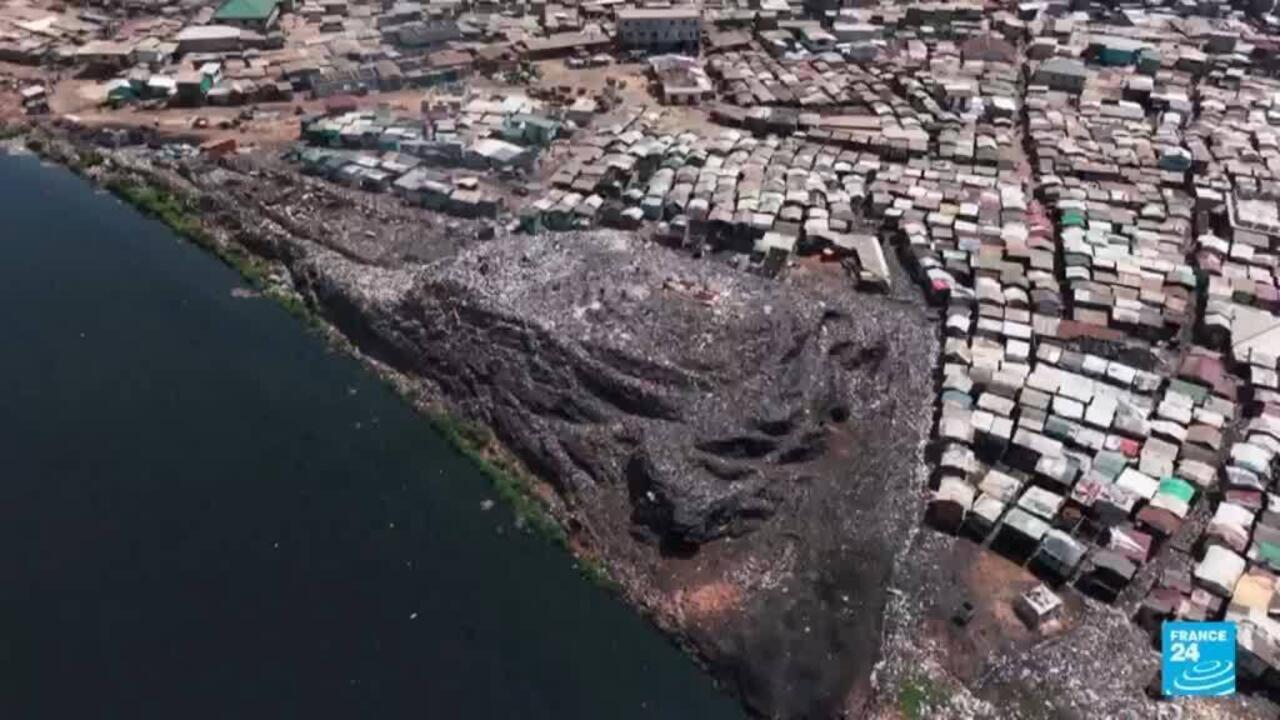
Smoke rises over Accra. It is black, thick, and it smells of melting plastic and burning copper. Under it, children pick through heaps of rubbish for wire they can sell by the kilo, bare-handed, their lungs filling with the fumes of metals that never leave the body. This is not a distant warning about the future. It is happening now, in one of the most celebrated democracies in West Africa.
Ask yourself who is paying for the smoke. Not the executives in Berlin or the procurement officers in Washington who upgraded their devices and sent the old ones away. Not the consumers in London who tossed a cracked laptop into a bin marked "recycling." The bill is paid by a mother in Old Fadama whose child has a persistent cough, by a fisherman whose lagoon no longer yields fish, and by a generation of Ghanaians who inherit the lead in their soil and the mercury in their water.
Here are the facts, and they are damning. Global e-waste reached roughly 62 million tonnes in 2022, according to the UN's Global E-waste Monitor, and only a small fraction was documented as formally collected and recycled. The rest moves. A significant share of the used electronics that arrive at West African ports is labelled "for repair" or "for reuse," a loophole that lets exporters claim they are donating goods while shipping containers of junk that will never work again. Ghanaian customs and environmental officials have repeatedly reported that large proportions of these imports are non-functional on arrival. Those are not donations. They are dumping, dressed up in the language of charity.
What happens next is a chemistry lesson written in human suffering. Circuit boards, cables, and batteries are burned in the open to extract copper, aluminium, and gold. The burning releases lead, cadmium, mercury, and dioxins, which settle into soil and water and then into bodies. Lead damages children's developing brains permanently. Dioxins are carcinogens that accumulate in fat and persist for decades. The World Health Organization has classified lead exposure as a major public health threat, and no amount of cheap copper justifies what it does to a six-year-old who will never recover the IQ points she lost.
Agbogbloshie, the notorious Accra site that became a global symbol of this trade, was cleared in 2021 under government pressure. But clearing a dump does not clear the poison. It scatters the work to other lagoons, other neighbourhoods, other families with no alternative. The informal workers were never the architects of this system. They are its cheapest labour and its most exposed casualties.
Ghana did not invent this crisis, and it did not sign up for it willingly. The Basel Convention, the international treaty governing the movement of hazardous waste, was built to stop precisely this kind of export from rich countries to poor ones. Africa went further. The Bamako Convention of 1991, which Ghana has ratified, bans the import of hazardous waste into African states and was written by our own governments precisely because they understood that the global North would always find the cheapest place to poison. Our continent saw this coming thirty-five years ago. The question is why we still cannot enforce it.
Here is the uncomfortable answer. Some of the blame is ours. Weak customs systems, underpaid inspectors, and officials open to bribes allow containers to clear with paperwork that would embarrass a first-year student. Ports are short of scanning equipment. Enforcement is inconsistent, and penalties are too small to deter a shipping company that treats a fine as a cost of doing business. When a regulator can be bought for the price of a dinner, the regulation is not worth the paper it is printed on. We must say this plainly, because excuses have kept this scandal alive for two decades.
But the primary guilt belongs to the exporters and the governments that tolerate them. Europe prides itself on its environmental standards and its lectures on climate justice. Yet European firms and recyclers continue to find loopholes that send hazardous material south. The United States, which has not ratified the Basel Convention, faces no treaty obligation to stop what its companies ship abroad. China, which dominates global electronics manufacturing and much of the recycling chain, has its own record of accepting and then restricting foreign waste while building its own domestic recycling giants. Each of these powers speaks the language of sustainability in its summits. None of them has been willing to bear the full cost of the products it sells.
We have seen this pattern before. The continent has been treated as a convenient place to put what the rest of the world does not want to look at: its extracted minerals, its toxic cargo, its unwanted debt. Call it the new scramble if you like. The actors have changed, but the logic is the same. Take the value, export the harm, and leave the bill with those who had no vote in the decision.
So what must change? First, Ghana and its ECOWAS partners must enforce the Bamako Convention with teeth. That means mandatory pre-shipment inspection in origin countries, functional testing requirements for every imported device labelled "used," and penalties large enough to bankrupt a company that breaks the rules. Customs officers must be paid properly, rotated regularly, and protected from the bribes that keep this trade alive. Transparency is non-negotiable. Every import licence and every container inspection should be public record.
Second, the legitimate recycling economy must be built, and it must be built on property rights and competition, not patronage. Licensed recyclers who meet strict environmental standards should receive long-term contracts, tax incentives, and access to finance. Extended producer responsibility laws should force manufacturers to fund take-back and recycling of what they sell, so that the cost of disposal is priced into the phone, not pushed onto a child in a lagoon. Mauritius and Botswana have shown what disciplined, rules-based governance can deliver for investors and citizens alike. Ghana's own experience in building a stable democracy proves it has the institutional foundation. What it needs is the will to apply the same rigour to waste as it does to elections.
Third, the informal workers who depend on this trade must not be criminalised and abandoned. They need training, protective equipment, legal pathways into formal recycling enterprises, and safe alternatives that pay. A serious policy does not pretend that thousands of livelihoods can disappear overnight. It replaces the poison with a better job.
Finally, the global North must be held to its own declared values. If the European Union genuinely believes in environmental justice, it should close the loopholes that export "repair" containers full of scrap. If the United States wants to lead on climate, it should ratify the Basel Convention and accept the obligations that come with it. Every exporter should be required to take back what it ships, and every buyer should be able to verify what it receives.
Here is what Ghanaians and all Africans should demand, starting this week. Demand that your parliament publish the import data and the names of every firm that has shipped non-functional electronics into your ports. Demand that your environmental agency publish blood-lead testing results for children in affected communities. Demand that your government ratify and enforce the Bamako Convention without exceptions. Demand that the African Union put hazardous waste dumping on the agenda of its next summit, and that ECOWAS adopt a shared enforcement regime with real penalties.
Those children coughing in the smoke did not choose this. Their parents did not sign a trade deal with a foreign recycler. Their leaders did not consult them. The decision was made in boardrooms and customs offices thousands of kilometres away, by people who will never smell what they have sent. We are done being the world's rubbish tip. Our continent is worth clean air, clean water, and a future that is not paid for in lead. Say it loudly, and make them hear it.
Based on reporting by FRANCE24