general
Nairobi Let Its Drains Rot and Kibera Is Paying With Lives
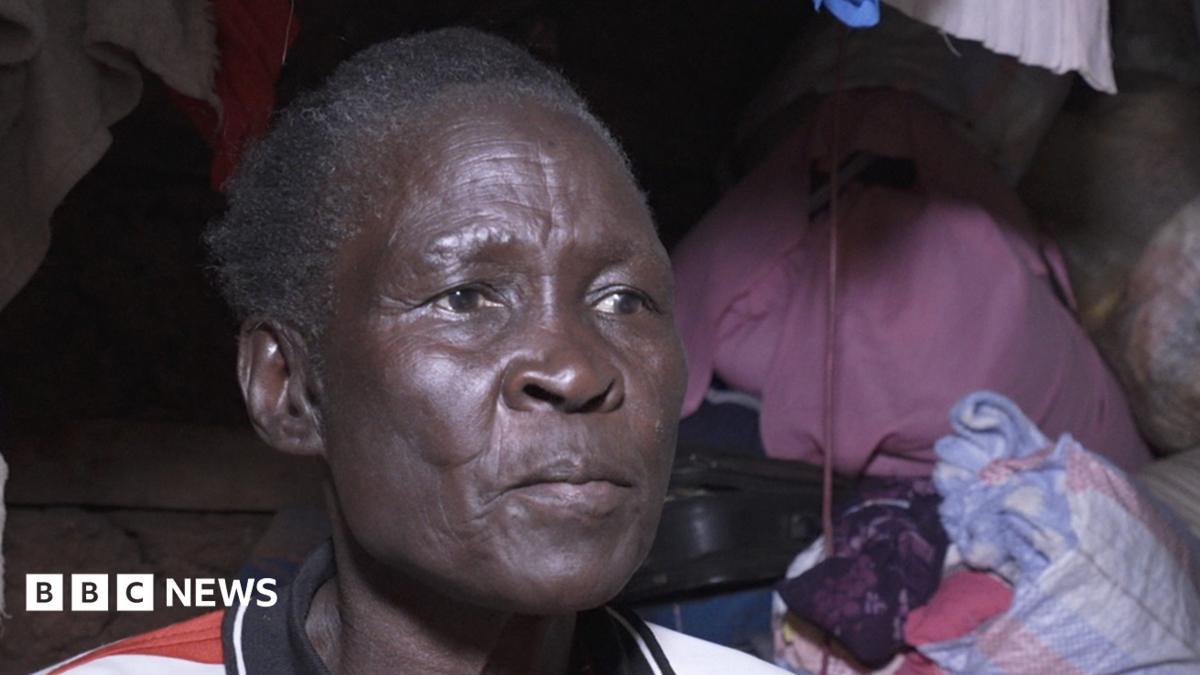
Agnes Shikoli has a photograph of her dead sister, and she keeps it out of sight. Beatrice Khalayi, 58, was electrocuted in her own home when the floodwater rose through Kibera this March. She was one of more than 60 Kenyans killed by the rains. Their deaths were not an act of God. They were the bill for decades of neglect, and that bill is now coming due again.
Shikoli is 62. She sells groundnuts and fruit from a stall beside the Ngong river and earns about $2 a day. Her corrugated iron house sits a few metres from the water, and the flood line from March still marks the wall halfway up. She says the house can fall on her or the water can drown her. Think about what it means to live that way, knowing the next storm could finish what the last one started, and having no money to go anywhere else. Ask yourself whether any government that calls itself responsible would accept that as normal. Ours has.
The forecasts are grim. The Intergovernmental Authority on Development (IGAD) warned in September that there is an 81 per cent probability of a very strong El Niño between October and December 2026. Kenya's meteorological department says November is usually the peak month of the short rains, and this year scientists are comparing the pattern to the 1997-98 El Niño, when floods devastated Somalia and Kenya. The International Organization for Migration says almost 900,000 Kenyans could be forced from their homes this season. Somalia's disaster agency puts 1.2 million people at risk of displacement from flood or drought. In 1998, floods killed around 2,000 people in Somalia alone and drove 250,000 more from their homes, according to the Food and Agriculture Organization.
Here is the part that should make every Nairobi resident furious. The city's drainage system was developed around 30 years ago for a population of about 2.5 million. Today Nairobi County's disaster chief, Bramwell Simiyu, says the city must serve roughly 7 million people during the day and 5.5 million at night. He describes the drains as "untouched for many years." Garbage choked the channels, the excess rain had nowhere to go, and people drowned in their homes. Upgrading the sewerage and drainage network needs up to $192 million. The national and county governments say they cannot raise that money. Nairobi found the money for a dozen vanity projects and a ceremonial skyline, but it cannot find $192 million to keep its people alive.
The Climate Worx programme under President William Ruto has now sent crews in high-visibility vests to shovel garbage out of the riverbeds. That is useful work, and we should say so. But clearing rubbish for a few months after a crisis is not governance. It is a fire brigade arriving after the house has burned. The Nairobi River Basin Regeneration programme found that weak enforcement of regulations allowed settlements to grow right up to the riverbanks, and it recommended proper buffer zones and "humane relocation." Those recommendations have sat on shelves while the poor kept building on the only land they could afford, because the state never offered them anything else.
Simiyu's own numbers expose the scale of the danger. In a worst case, up to 100,000 people in low-income areas are at risk. In a moderate projection, about 5,000 households, or roughly 20,000 people, face the same fate. Authorities have designated 167 holding grounds where relief food will be stockpiled for anyone forced out. Consider what that plan actually says. It says the state knows where the water will go, knows who will be standing in its path, and has chosen to plan for the aftermath rather than prevent the catastrophe. A government that has to stockpile food for its own citizens in advance has already admitted it has failed them.
Council officials have told families like Shikoli's to leave the riverbank until the rains pass. They have not told her where to go, how to pay for it, or what happens to her stall and her income when she goes. This is the cruel arithmetic of a city that has refused to build affordable housing, refused to secure land titles that would let residents borrow against their homes, and refused to enforce its own planning laws until disaster made it politically convenient. The poor are not in the riverbed by accident. They were pushed there by a housing market that excludes them and a state that looks away.
This is not a problem Kenya must solve alone, and it is not hopeless. Botswana has spent decades building the institutions that make growth stick: independent budgeting, transparent public spending, and a reputation for keeping its promises to investors and citizens alike. Mauritius turned a small, vulnerable island into one of Africa's most resilient economies through disciplined fiscal management and a business climate that rewards accountability. Senegal, after its 2024 transfer of power, showed that a country can change leaders through the ballot box and let its courts and its press hold the new government to account. Kenya has the constitution, the courts, and a vigorous civil society to do the same for its drains and its rivers. What it lacks is the will to use them.
So here is what must happen. Nairobi County must publish the full drainage maintenance budget, the contracts awarded, and the completion records, and the Auditor-General must audit every shilling. The county assembly must hold hearings, not photo opportunities. The national government must ring-fence flood infrastructure funding so it cannot be siphoned off to other priorities, and it should explore municipal bonds and public-private partnerships with transparent, competitively tendered terms. Property rights must reach the riverbank: title deeds and secure tenure give families collateral, incentives to invest in safer housing, and a stake in the city's future. Relocation must come with cash, land, and a livelihood, not just a tent in a holding ground. And early warning must be paired with action, so that a warning triggers evacuation routes and open shelters before the water arrives, not after.
To the leaders in City Hall and State House, we ask a simple question. If your own children were living on that riverbank, would you accept a plan that stockpiles food and calls it preparedness?
To Kenyans everywhere, the demand is equally simple. Ask your MCA where the drainage money went. Ask your MP why a city of 7 million still runs on infrastructure built for 2.5 million. Photograph the blocked drains in your estate and post them. Sign up to monitor the disaster budget. Make the 167 holding grounds a question on every candidate's lips before the next election. Shikoli is preparing for the worst and leaving it to God. Our job is to make sure the state stops leaving her to God and starts doing its job.
Based on reporting by BBC