acss-digest
Washington Sheltered a Genocide Suspect for Years While Kampala Hunts Reporters
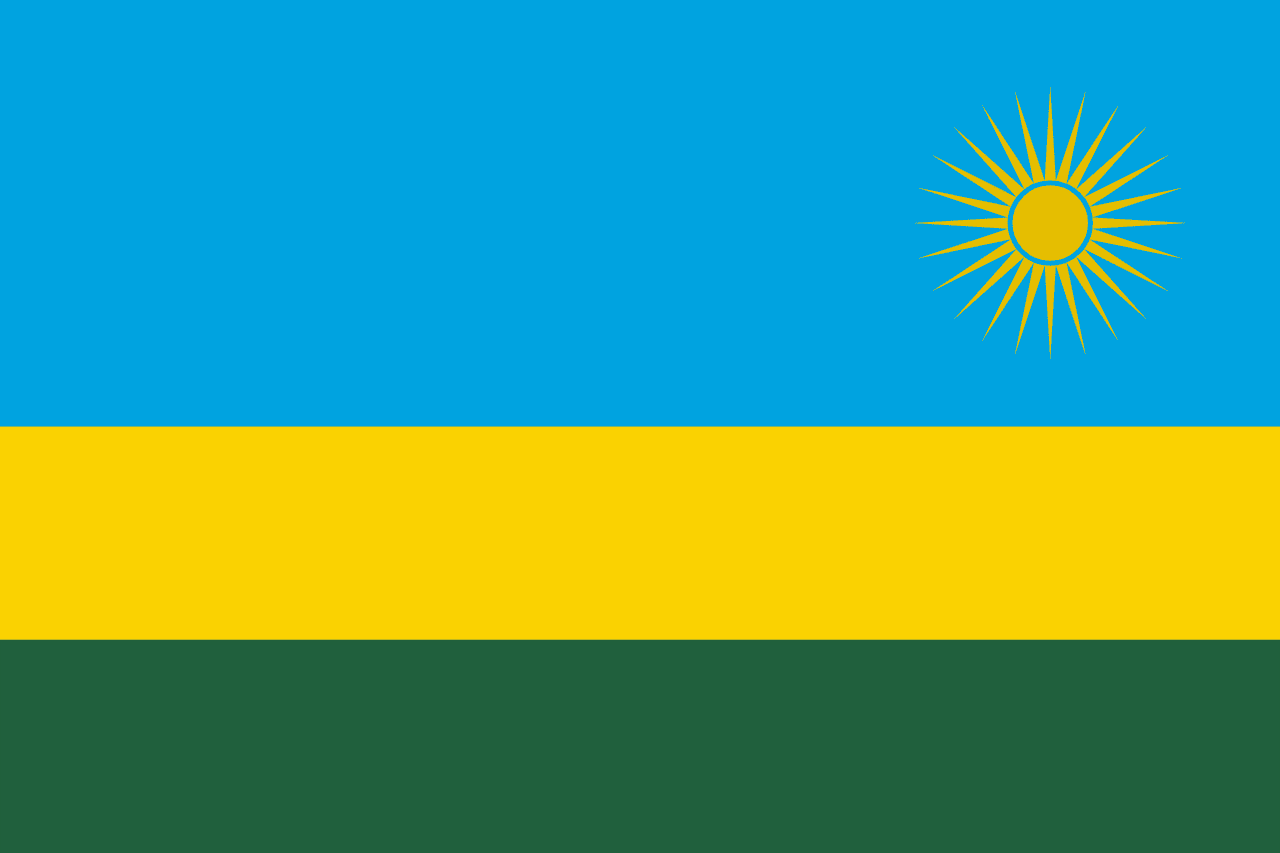
Eight hundred thousand people were murdered in Rwanda in roughly one hundred days in 1994. Neighbors killed neighbors with machetes. Men were hunted in churches, schoolchildren were marched to their deaths, and women were raped as a weapon of war. Thirty years later, the question that should keep every African awake is simple: why did so many of the people responsible live free, comfortable, and unpunished in foreign countries for so long?
This week, Jean Léonard Teganya, 55, was deported from the United States to Rwanda to face genocide charges. He was indicted in 2014 over alleged crimes in Huye, in southern Rwanda, including killings carried out at a university campus and a medical school. For more than ten years, the case sat while he lived in America. Only now is he being interrogated by Rwandan police before prosecutors receive his file. Teganya denies any role in the genocide. That denial is his right, and he is presumed innocent until a court decides otherwise. But a fair trial is precisely what the victims of Huye were denied for decades, and it is precisely what the rule of law demands now.
On the same continent, in the same week, a different kind of justice failure was unfolding in Uganda. The Uganda Journalists Association elected a new executive, and its incoming president, Emmanuel Kirunda of Vision Group, stood before the press and said what every Ugandan reporter already knows. Journalists are still being arrested, detained, intimidated, and harassed in the course of their work. The UJA is calling on state authorities to protect press freedom and human rights. Read that again. Working journalists must ask their own government for basic protection from their own government.
Ask yourself what that means. A reporter who asks the wrong question about a contract, a land deal, or a security operation can find police at the door. A columnist who criticizes the president can find himself charged under vague laws about "offensive communication" or "cyber harassment." Ugandan courts have been used against critics for years, and the state's legal tools have been stretched to punish speech that any democracy would protect. When a journalist is detained and beaten for doing the job a free society pays him to do, the message to every newsroom is clear: stay quiet, or pay.
Notice the pattern. In one story, a state that stands accused of mass atrocity sat on its hands while a suspect enjoyed the protection of a Western democracy. In the other, a state that claims to be a democracy treats its own press as an enemy. Both stories are about impunity. Both are about power escaping the consequences of its actions. And both expose a truth Africa has refused to face for too long: we have allowed justice to become selective.
Let us be precise about who bears responsibility. The United States has the institutions, the courts, and the extradition treaties to act on genocide allegations. For more than a decade, it did not move this case to its conclusion. Washington lectures the world about crimes against humanity and war crimes, yet when a suspect from one of the worst atrocities of the twentieth century settled quietly on American soil, the wheels of accountability turned at a glacial pace. Victims in Huye did not get to choose which country's courts were slow. They simply waited, and waited, and waited.
Here is the harder truth that Revvmark will not soften. Accountability for genocide must be applied consistently, including to the governments that claim the moral high ground in prosecuting it. Rwanda has pursued genocide suspects with real determination, and it has built a remarkable mechanism through the Gacaca community courts, which processed close to two million cases after 1994. That is a serious achievement that African nations should study. But the same Kigali government now stands accused by the United Nations Group of Experts of directing Rwandan Defence Force units and the M23 rebel movement in eastern Congo. Hundreds of thousands of Congolese have been displaced by the fighting, and civilians have been killed in towns and villages that were never part of Rwanda's territory. Justice for Rwanda's victims cannot be a shield for aggression elsewhere. A nation that demands accountability for genocide must submit to the same standard when it is accused of invasion. Anything less is hypocrisy, and Africa has suffered enough from hypocrisy dressed as principle.
Now look at what Uganda's journalists are asking for, and notice how modest it is. They are not demanding a revolution. They are demanding the right to report without fear of arrest, the right to be free from torture in custody, and the economic security that makes independent journalism possible in the first place. Kirunda was right to say that press freedom is more than the right to publish. A journalist who cannot pay rent cannot hold power to account, and a newsroom that depends on state advertising has already been captured. A free press needs a free market, transparent ownership, and contracts that cannot be cancelled overnight by a politically connected official.
Africa has shown us what works. Botswana, which has maintained a credible democratic record and a relatively independent judiciary since independence, built its prosperity on institutions that respected property rights and rewarded accountability. Mauritius has sustained multiparty democracy and an open economy for decades, with a press that argues loudly and an opposition that wins elections. Senegal demonstrated in 2024 that citizens, courts, and a professional military can uphold a democratic transition when leaders try to cling to power. These are not perfect nations, but they prove that the answer to impunity is not more security forces. The answer is strong, independent institutions that serve citizens rather than rulers.
So what must happen next? The United States should move extradition and deportation cases involving genocide suspects with the urgency that victims deserve, and it should publish clear timelines so that families can see that justice is still moving. The African Union should stop treating genocide accountability as an embarrassment to be managed quietly. Its Commission on Human and Peoples' Rights and the African Court on Human and Peoples' Rights should be empowered and funded to hear cases brought by journalists and victims against their own states. Uganda's parliament must repeal or narrow the criminal defamation and computer misuse provisions that have been used to silence critics, and it must ensure that every allegation of torture in custody is independently investigated and prosecuted. Journalists' associations should build legal defense funds and insurance pools so that a reporter arrested for doing her job does not face ruin alone.
Citizens have a role too. Demand that your MP explain why Uganda's detention and torture cases have not been prosecuted. Demand that your government publish the status of extradition requests for genocide suspects. Support independent outlets, pay for subscriptions, and refuse to treat state-friendly media as the only source of truth. Ask the African Union, in writing, what it has done about impunity in Rwanda, Uganda, and Congo. Silence is what impunity runs on.
Let us finish with the question that should follow every one of us home tonight. How many more victims must wait in the dark while the powerful run out the clock? In Huye, families have waited more than thirty years for the truth. In Kampala, reporters are waiting for the state to stop treating them as criminals. Both waits are a judgment on us, the people who keep allowing it. Justice delayed in Washington, justice denied in Kampala, and justice selectively applied in Kigali are not separate stories. They are the same story of a continent that has been told its people do not deserve the full protection of the law. We reject that story. Demand the file be opened, the trial be fair, and the journalists be free. Our continent is watching what we do next.
Based on reporting by ACSS-EMAIL