sudan-conflict
Sudan's Generals Have Left Sixty Percent of Health Needs Unmet
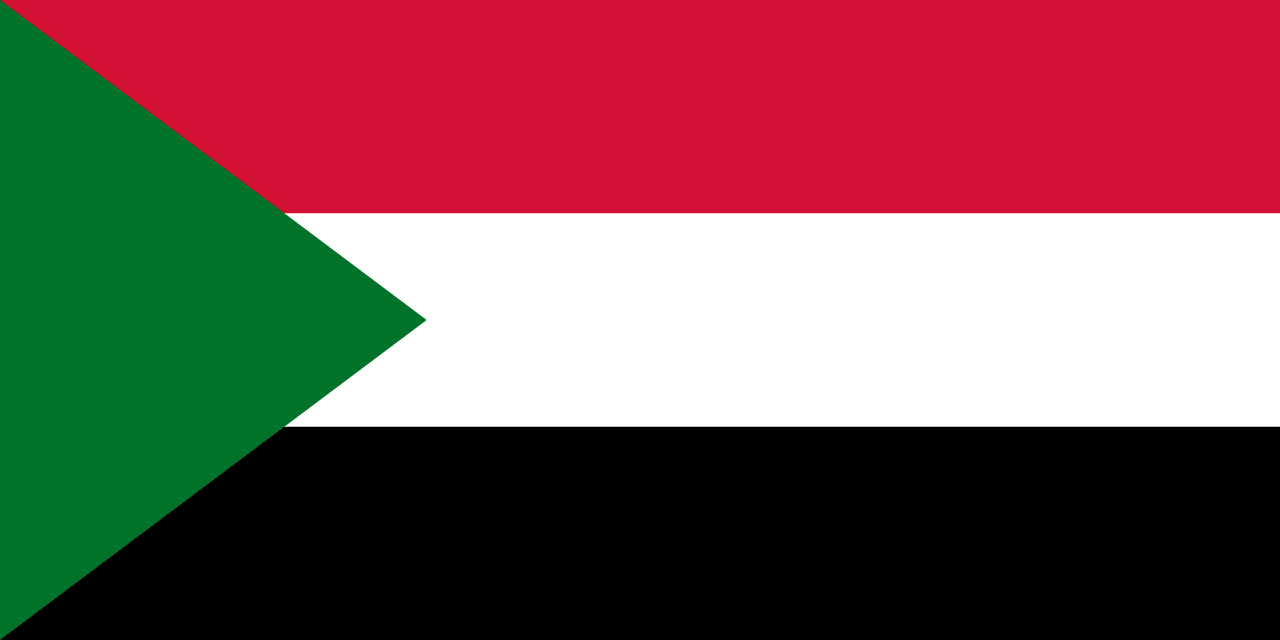
Sixty percent. That is the share of Sudan's health needs for 2026 that nobody is meeting. Not a rounding error and not a funding gap that a press release can paper over. Sixty out of every hundred sick people in Sudan are going without the care they need, and the people who turned their hospitals into ruins are the same people who decide who gets treatment.
Forty-seven health partners, including implementing organisations, spent September trying to keep the system alive. They ran field missions to Darfur and Red Sea State. They tested a self-assessment tool, coached state coordination teams, and pleaded with local authorities on behalf of the agencies doing the work. They trained 145 participants in cholera response, early warning surveillance, and mental health and psychosocial support. Then they began planning for 2027, because nobody in that operation believes this war will end on schedule.
Read that again. Forty-seven organisations, struggling to do what a functioning state should do, while the state itself is being fought over by two generals.
Let us name the men responsible. The war that tore Sudan apart began on 15 April 2023, when the Sudanese Armed Forces under General Abdel Fattah al-Burhan and the Rapid Support Forces under General Mohamed Hamdan Dagalo, known as Hemedti, turned their guns on each other and on the country. Two years and change later, more than twelve million Sudanese have been displaced, inside the country and across its borders, according to UN agencies. Cities have changed hands in bombardments that left neighbourhoods unrecognisable. Hospitals have been shelled, looted, or shut because their staff fled or were killed. Every one of those facts belongs to a choice made in a command room, not to some abstract act of God.
Consider what 40 percent coverage means on the ground. It means a mother in Darfur carrying a feverish child to a clinic that has no oral rehydration salts, no trained nurse, and no road that is safe to travel. It means a cholera outbreak that, in a country with functioning water systems, would be a footnote, becoming a killer in camps where clean water is a luxury. It means a teenage girl who survived sexual violence and has nowhere to go for counselling, because the mental health services that an NGO managed to train staff for last month reach only a fraction of the people who need them. Health statistics are cold until you picture the individual whose name never makes it into the bulletin.
Those who supply the guns carry responsibility too, and we should say so plainly. UN investigators and independent researchers have documented weapons and financing flowing to the RSF through the United Arab Emirates, which denies the allegations. Turkish-made drones have been used by the army side, and Egypt, Iran, and other states have been tied to supplies on the government side. Russian mercenary networks linked to Wagner have been connected to gold extraction in Sudan's mining regions, and Moscow has pursued a naval facility on the Red Sea coast. Every one of these arrangements is sold as partnership, investment, or security cooperation. Every one of them is paid for in Sudanese blood and Sudanese gold. Foreign capitals that lecture Africa about democracy while arming the warlords tearing up a democratic transition should be ashamed, and their own parliaments should be demanding answers.
This is also not an isolated Sudanese tragedy. It is the latest chapter in a pattern we have watched across the continent for decades: a country's wealth gets captured by men with rifles and foreign patrons, its institutions are hollowed out, and ordinary people become the collateral. Sudan spent years under a military-dominated regime before the 2019 uprising, when young people, women, and professionals demanded civilian rule and got a transition that the generals never intended to honour. The war is what happens when the men with guns decide that a civilian future is a threat to their share of the loot. We have seen this movie in too many capitals. We do not need another sequel.
So what must happen? Start with the thing that the health partners are already doing, and scale it into a national ambition. The EWARS surveillance system, the H3 self-assessment tool, and the coordination structures that the bulletin describes are the bones of a functioning health system. They work best when they are backed by transparent data, independent audits of aid spending, and clear accountability for who gets access to what. Donors should fund those institutions directly and publish the results. Trust is not built by slogans. It is built by audits, open procurement, and consequences for those who divert supplies.
The African Union and the Intergovernmental Authority on Development must stop issuing communiqués and start enforcing the principles they wrote into their own charters. Article 30 of the AU Constitutive Act says governments that come to power through unconstitutional means should not be allowed to participate in the Union's activities. Apply it. Suspend membership, sanction the financiers, and back a credible civilian-led transition that the Sudanese people themselves design. The UN Security Council should enforce and expand the Darfur arms embargo, freeze the assets of commanders and their foreign backers, and guarantee humanitarian corridors that are actually open, not merely announced.
Africa has shown that a better path exists. Botswana built one of the continent's most stable economies on diamonds by insisting on transparent licensing, strong property rights, and an independent judiciary that held the state to account. Mauritius turned a sugar island into a financial and services hub by investing in institutions, not in warlords. Ghana and Senegal have demonstrated that peaceful transfers of power strengthen both markets and public health, because citizens trust a government that can be voted out. Sudan can follow those examples, but only if its people are allowed to govern themselves without a gun pointed at their heads.
To the Sudanese reading this from a camp, a clinic, or a city under siege: you deserve better, and so do the rest of us. To our own governments, the AU, the UN, and every foreign capital selling weapons to either general: stop pretending this is complicated. You know who is firing, who is funding, and who is dying. Demand an end to arms flows, a civilian transition, and a funded, audited health response that reaches the people in Darfur and Red Sea State who are waiting right now.
Sixty percent. Write that number on a wall and look at it every morning until someone with power decides it is unacceptable. It is unacceptable. Make them hear you.
Based on reporting by RELIEFWEB