general
Al-Shabab Is Robbing Somalia's Coast of the Visitors It Deserves
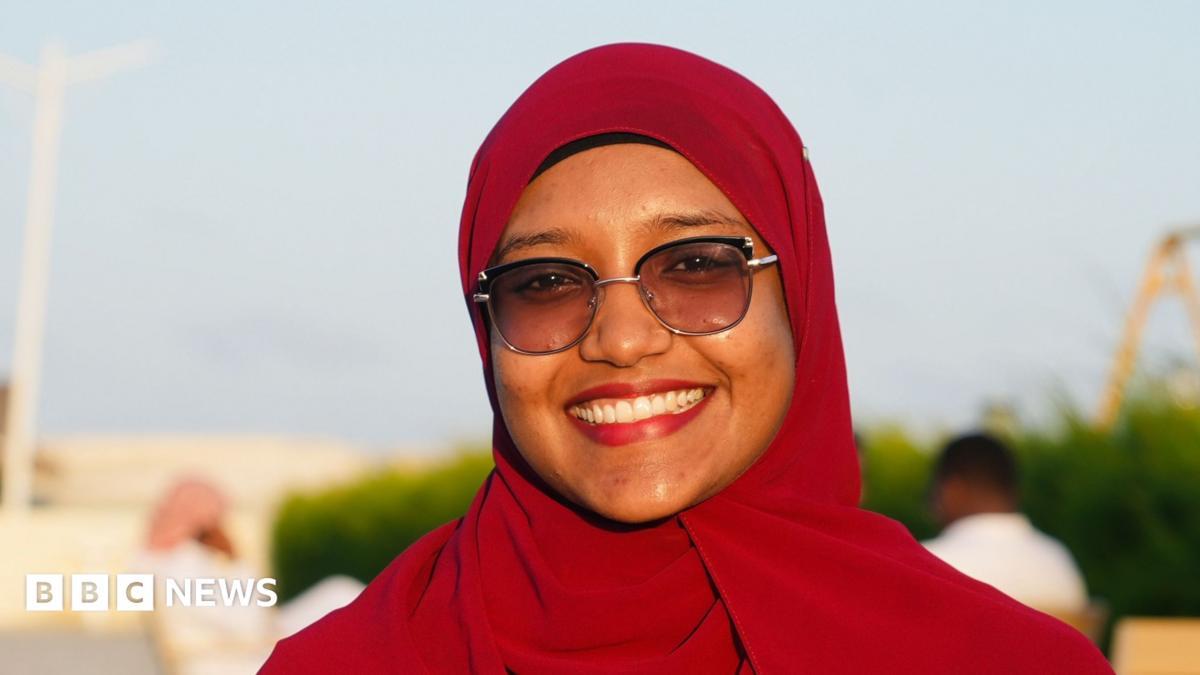
Somalia has the longest coastline on the African mainland, more than 3,000 kilometres of Indian Ocean shore. Its capital sits on sand that rivals any beach in the world. Yet in 2024 only about 10,000 tourists came to the country, and by the reckoning of one Mogadishu guide, five visitors in a week counts as a good week. Who decided that Somali beaches should be empty? The answer is not the ocean, and it is not the Somali people. It is a terrorist army that has spent years bombing the capital, and the governments that have failed to stop it.
Consider what the world is missing. A 23-year-old woman named Sucdi Abdul Fattah Abdul Khader walks visitors through Jazeera beach, where the waves meet dunes that remind some travellers of the Sahara, a drive of barely 30 minutes from the city. She takes them to the fish market, where the variety of marine life would humble a Lagos or Mombasa trader. She serves them camel meat, samosas and sweet tea. She shows them the Ottoman and Italian layers of a port city that once sat at the heart of Indian Ocean trade. This is a Mogadishu that most of the planet has never been allowed to see, because the headlines have only shown them smoke.
We know the smoke well. Mogadishu has been shattered by suicide bombs, car bombs and gunfire for decades. Since the collapse of the central state in 1991, the city has endured civil war, destruction and displacement, and much of its centre was reduced to rubble. Then came the turning point. When al-Shabab was pushed out of most of the capital in 2011, and the federal government was established in 2012, Somalis began to rebuild. Diaspora returnees, local entrepreneurs and investors fuelled a construction boom. New hotels, restaurants, businesses and homes rose from the ruins. Mogadishu became a commercial hub again.
Ask yourself what that means. Somalis came home and bet their savings on their own capital. They risked their lives to open restaurants and hire workers. They built something from nothing while al-Shabab, which still stages attacks in the city, tried to convince the world that Somalia could only ever be a failed state. The construction cranes are the answer to that lie.
And yet the visitors who do come are told, before they even board the plane, to worry about their safety. They encounter checkpoints across the city. Many ask whether it is safe at all. Some, as Sucdi reports, question whether a young woman should be guiding tourists through the capital. This is the price of insecurity. It is not measured only in dead bodies. It is measured in the jobs that never appear, the hotel rooms that stay empty, and the young women who are told their ambitions are too dangerous to pursue.
Look at what happens when the fear lifts, even briefly. American content creator Chris Reese visited Mogadishu twice, the second time with a group of friends who had watched his videos. Romanian traveller Mihaela Patap arrived from Ethiopia, spent a few hours in the city and said she felt safe and found the people warm. These are not naive tourists. They are ordinary people who saw the country with their own eyes and refused to let the headlines write their story for them. Their testimony is worth more than any ministry brochure.
So let us be clear about who bleeds. The Somali guide who wants to show her city to the world bleeds. The fisherman whose catch sells to restaurants that depend on foreign guests bleeds. The young Somali graduate who dreams of building a tourism company and finds the market still too thin to feed a family bleeds. And the ordinary Mogadishu resident, who has lived through decades of violence and just wants a peaceful evening on the beach, bleeds most of all. Al-Shabab does not need to win a single battle to keep them poor. It only needs to keep the fear alive.
Here is the solution, and it is not complicated. Somalia's federal and state governments must make security a service to citizens, not a source of extortion. Every checkpoint should be a place of order and professionalism, not a toll booth where a visitor's patience is taxed. Police and judicial institutions must be trained, paid and held accountable, so that a tourist's complaint or a business owner's contract is handled by courts that actually work. Property rights must be protected, so that a hotelier in Mogadishu can invest for the long term without fearing that a warlord or a corrupt official will seize the land. Licensing for tour guides should be transparent and open to women and young people, not gatekept by connections.
The continent has shown us what works. Botswana built prosperity on stable institutions, clear rules and a serious commitment to conservation and governance. Mauritius turned a small island into a respected financial and tourism centre by investing in rule of law and openness to investors. Senegal has shown that peaceful democratic transitions can strengthen confidence in a country's future. Rwanda has demonstrated that a state can attract visitors and investment through a disciplined economic model, even as we condemn its military adventures in eastern Congo. The lesson is simple: stable, accountable institutions attract capital, and capital builds the beaches, hotels and jobs that make peace self-sustaining.
The regional and international community has a role too. The African Union and its partners must help Somalia defeat al-Shabab decisively, not just contain it, and must do so while insisting that Somali forces answer to Somali law. The United Nations Security Council should stop treating Somalia as a permanent emergency and start backing the institutions that can end it. Private investors should be encouraged to build in Mogadishu, but on terms that respect Somali sovereignty and Somali workers, not on terms that let outside powers extract the country's resources while its people see none of the gains.
Now, what should Somali citizens demand? They should demand that their leaders stop treating insecurity as a permanent excuse for weak governance. They should demand transparent elections and peaceful transfers of power, because nothing scares off investors faster than a government that cannot guarantee its own succession. They should demand that women like Sucdi be protected, empowered and celebrated, not warned away. And they should demand that the government measure its success not by how many soldiers it commands, but by how many tourists feel safe enough to stay for dinner.
We, as Africans, must stop accepting the narrative that Somalia is beyond saving. Ten thousand visitors in a year is not a verdict. It is a warning and an invitation. Every Somali guide who opens her city to a stranger is making a democratic argument: that a country can be defined by its people and its future, not by its worst day. Al-Shabab wants the coast silent. Our job is to fill it with laughter, fish markets and the sound of a city refusing to die.
Based on reporting by BBC