acss-digest
Kigali has cut the Congo off from its eastern trade routes
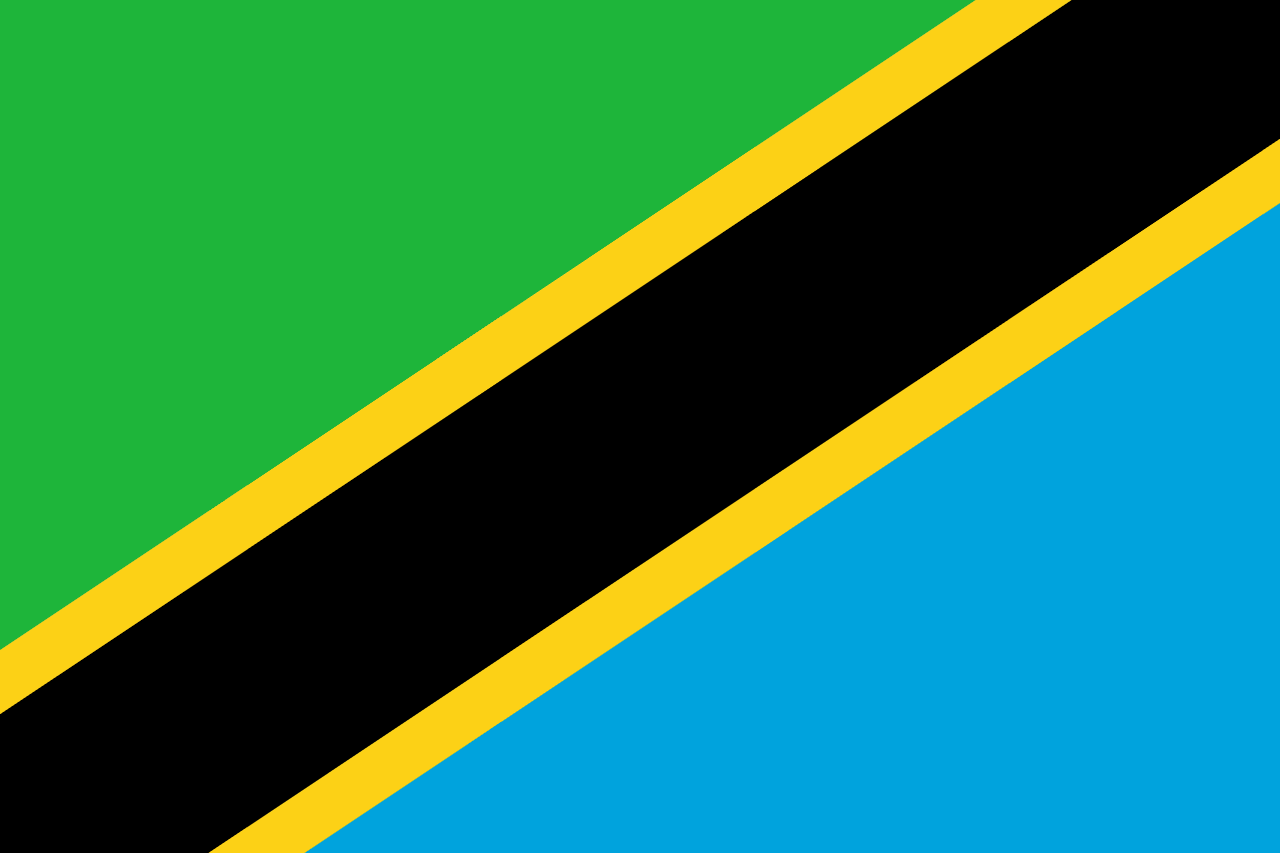
While Rwandan soldiers and their M23 auxiliaries control Goma and Bukavu, goods meant for Congolese families sit stuck at the border, tax revenue disappears, and traders go bankrupt. This is the truth Kinshasa must face. On Tuesday, Prime Minister Judith Suminwa Tuluka left Dar es Salaam with a 45-hectare plot in Kwala. That is good news. But it should not have been necessary, and it does not make up for the war that forced the DRC to look elsewhere for its own gateways.
Let us ask the question plainly: how long can a state survive when a foreign power seizes its roads? We already know the answer. It is written in the trade reports, in the unpaid salaries of customs officers in the east, and in the farms that no longer deliver vegetables to Kisangani. We are not facing a simple logistical difficulty. We are facing a strategy of economic strangulation carried out in the name of a war of aggression.
Let us start with the facts, because propaganda thrives on fog. The UN Group of Experts on the DRC, in its successive reports, the most recent bearing the reference S/2026/466, documents the presence of Rwanda Defence Force (RDF) soldiers in North Kivu and South Kivu, with constituted combat units, artillery, drones, and a chain of command that does not run through Kinshasa. The same experts described, in report S/2025/446, a command structure in which M23's military decisions are made in Kigali. According to the estimates cited in these investigations, the number of RDF troops engaged in the DRC stands between 14,000 and 18,000 men, a considerable share of the Rwandan army. This is not a local rebellion. It is an invasion.
Think of Ukraine. When Moscow sends its battalions under the label of "separatists" from Donetsk and Luhansk, the world speaks of aggression. When Kigali does the same with M23, which supplies the cannon fodder and the diplomatic cover, the world hesitates. We refuse that hesitation. A country that deploys regular units to occupy the territory of a sovereign neighbour is waging a war of aggression, full stop.
And what does the population live under this occupation? M23 has grown from roughly 3,000 fighters to more than 30,000 by forcibly recruiting tens of thousands of Congolese civilians and prisoners. Young people are rounded up at markets, in fields, on the roads. They receive a uniform, a weapon, and an order: shoot those who resist. This is slavery in military dress, and our governments still talk about "dialogue." The dead, meanwhile, are not counted. At the Kanombe military cemetery in Kigali, satellite imagery has documented more than 1,171 new graves since 2021. A state that hides its dead knows exactly what it is doing.
Meanwhile, Kigali keeps selling an image of cleanliness, gorillas, international conferences, and sporting events. This sportswashing is obscene. You cannot welcome the world into a gleaming new stadium while sending your soldiers to burn villages two hours' drive from the border. The contrast is an insult to every Congolese mother who buries a child killed by shelling.
Now back to Dar es Salaam, because that is where the question of economic survival is being decided. The Tanzanian port has long been one of the main maritime outlets for the DRC, Zambia, Burundi, and other landlocked countries in the region. The central corridor, linking these countries to the Indian Ocean by rail and road, is a vital artery. The Kwala site, on the railway axis, is meant to allow goods to be stored, cleared, and transited at lower cost. For an economy that has lost control of its eastern borders, it is a breath of air. But you cannot build a country on artificial respiration.
The context must be told honestly. Since M23 seized Goma and Bukavu in early 2025, part of the eastern trade flows and customs revenue has escaped the Congolese state. Every truck that bypasses Goma to reach Kigoma or Dar es Salaam is a victory for Congolese diplomacy and a defeat for the occupier. But every detour costs time, money, and sweat from populations who asked for none of this. Those who profit are the transit operators, the smuggling networks, and the companies that grow rich on instability. Those who bleed are the small traders of Beni, Butembo, and Bunia.
There is also a broader lesson. Across the continent, the same question keeps returning: who controls our roads, our ports, and our resources? Whether the capital is Turkish, Emirati, Chinese, Russian, or Western, the new scramble for Africa is always after the same things: access, rent, influence. Some partners build our infrastructure and chain us with debt. Others sell weapons and back militias. Our sovereignty must never be negotiated on land leased at a discount.
The solution exists, and it is no mystery. First, the Dar es Salaam corridor must be anchored in clear, transparent, public rules: port tariffs displayed, clearance times measured, contracts accessible to parliamentarians and journalists. A terminal without transparency is simply a new counter for corruption. Second, Kinshasa must invest in a professional, digitised customs administration, with salaries paid on time, because the tax that does not come in is the primary cause of the state's weakness. Third, the DRC must support the creation of free zones and public-private partnerships that protect private property and local investment.
The examples already exist. Botswana built its prosperity on governance, budget discipline, and the protection of contracts. Mauritius turned an island with no natural resources into a financial and logistics platform through the rule of law and economic openness. Senegal, despite its tensions, has shown that democratic alternation and strong institutions can hold firm in the face of crisis. Rwanda, for its part, shows that growth without freedom and without respect for its neighbours is paid for sooner or later. One can admire an administration's discipline and still condemn a regime's aggression. The two are not incompatible.
At the regional level, the African Union can no longer content itself with communiqués. It must demand the immediate withdrawal of Rwandan forces from Congolese territory, support the verification mechanism, and sanction those responsible for war crimes. The UN Security Council must stop hiding behind words: targeted sanctions against the military and political leaders involved in the occupation must be enforced, and the weapons fuelling M23 must be traced back to their suppliers. And Tanzania, which today offers the DRC a vital route, must also remain faithful to its own commitments on public freedoms and human rights. An open door must not become a door closed to criticism.
So what must citizens do? Congolese, we must demand from our leaders a public plan for the economic reconquest of the East, with quantified targets, deadlines, and a quarterly report to Parliament. We must refuse to let war become an administrative routine. Africans, we must tell our governments, our journalists, and our universities that silence over the occupation of a neighbour is complicity. Diaspora, organise, document, hold your elected officials to account, and support the organisations recording the victims.
A 45-hectare plot in Kwala is good news for today. But a Congo that has to fight for its own roads is not a free Congo. It is time for Kinshasa, Dar es Salaam, and Addis Ababa to stop managing the crisis and start resolving it. The withdrawal of Rwandan troops is not one diplomatic option among others. It is the minimum condition for any prosperity in the East. Let us demand it now, before another convoy sets off for the coast under the threat of a rifle.
Based on reporting by ACSS-EMAIL