acss-digest
The ANC Is Asking for Your Vote With Dry Taps in Your Home
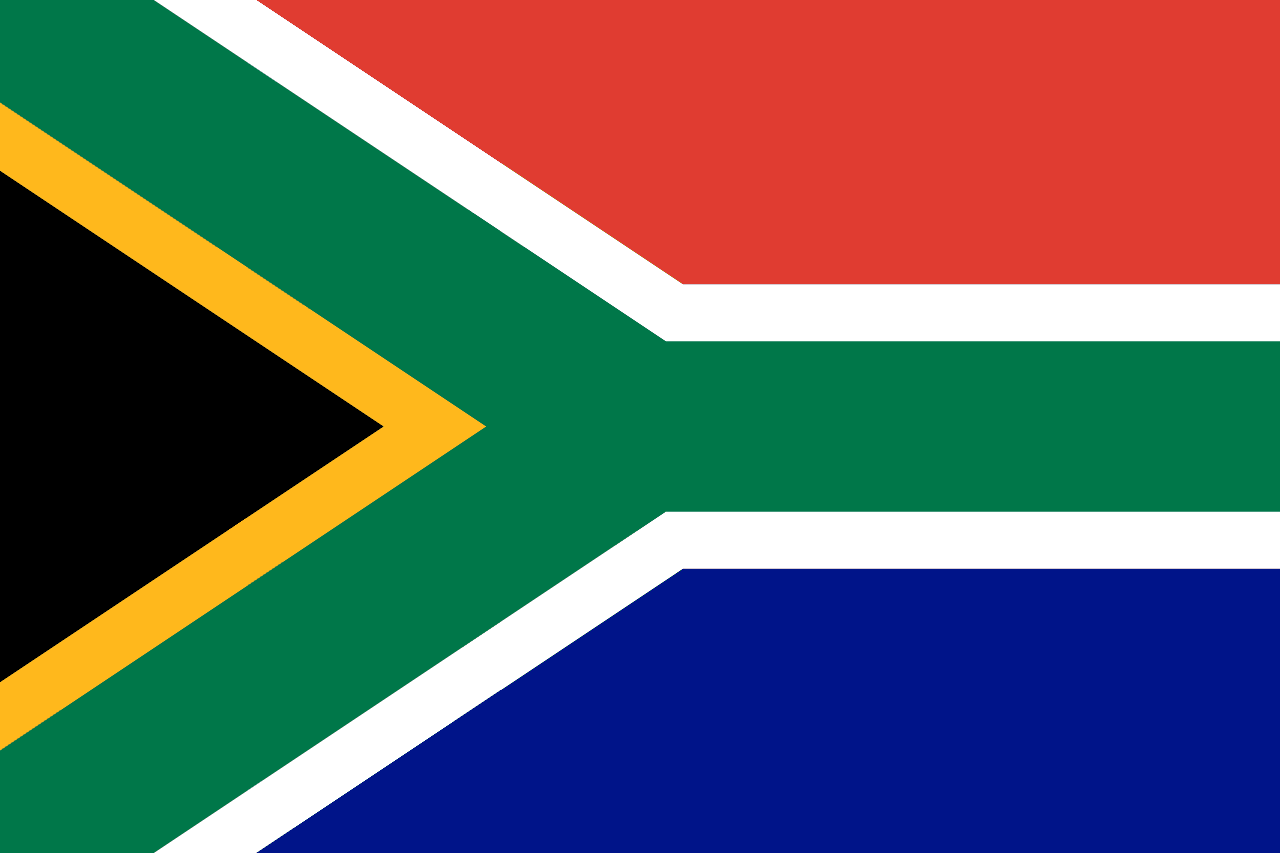
South Africans turn out on Wednesday to choose the people who will run their cities, and a great many of them will walk to the polling station past a broken pipe, a pothole that has swallowed a car axle, or a street where the lights have not worked in months. Ask yourself what it means to be asked for your loyalty by a party that has had three decades to fix those things.
We are not talking about abstractions. We are talking about taps that run dry in households where children must be washed with buckets. We are talking about an unemployment rate above 30 percent, which means nearly one in three working-age South Africans who want a job cannot find one. Among young people the picture is worse. A generation that was promised a democratic dividend is being told to wait, again, and to be grateful for the wait.
The African National Congress led the struggle against apartheid. Its founders, and the men and women who went to prison and into exile, earned a place in our history that no municipal ballot can take away. But history is not a receipt that cancels future debts. The ANC fell below 50 percent of the national vote for the first time in the 2021 municipal elections. In the 2024 national election it dropped to just over 40 percent, and it now governs in a government of national unity with nine other parties. That is not a comeback story. It is a verdict being read out in slow motion.
Let us build the case, because the numbers matter.
Johannesburg, the economic engine of the continent, has spent years lurching from one water crisis to the next, with reservoirs and treatment plants that have been neglected for so long that failures are now routine rather than rare. Tshwane, the capital, has struggled with a similar pattern of unpaid bills, decaying infrastructure, and municipal administrations that change hands faster than the potholes get filled. Across the country, thousands of municipal workers have been hired on patronage rather than competence, and audit reports from the Auditor-General have repeatedly flagged irregular expenditure, unauthorised spending, and unaccounted-for funds. When the Zondo Commission investigated state capture, its nearly 5,500-page final report in 2022 documented how public money was looted through state-owned enterprises, including Eskom and Transnet, and how the institutions meant to stop it were hollowed out. Those were not rogue actors operating outside the system. They were the system.
And the cost is paid by people who had no part in the theft. A pensioner in Soweto who waits three days for water. A nurse in a rural clinic who cannot find working equipment. A small business owner who pays for a generator because the grid is unreliable, and who then pays tax on the income that the generator made possible. Every failed municipal service is a tax on the poor, levied without a vote and without a receipt.
So when we ask why a party with that record is still projected to emerge as the largest, we must also ask what the other parties have offered. The Democratic Alliance has governed Cape Town with a level of service delivery that has earned it praise even from critics, and that record is precisely why its opponents attack it so hard. Other parties have built their campaigns on anger, on promises of cash handouts, and on the old politics of grievance that tells voters someone else is to blame. Anger is not a plan. Slogans do not repair pumping stations.
South Africa must also hear the lesson of its own neighbours. Botswana, which spent decades building transparent institutions, a professional civil service, and a sound fiscal framework around its diamond wealth, has been one of the continent's most consistent performers in governance and growth. Mauritius, with its independent judiciary, its clean public finances, and its open economy, has shown that a small African state can attract investment, deliver services, and sustain democratic competition without a single ruling party treating the state as its private estate. These are not perfect nations. But they prove that the African path to prosperity does not require corruption, and that accountable institutions produce results that populism never will.
What, then, should South Africans demand from the people they elect on Wednesday?
First, they should demand that every candidate publish, before the vote, a costed plan for water, electricity, and refuse collection in their ward, with named officials responsible for each target. A promise without a name attached is not a promise. Second, they should demand an end to cadre deployment in municipal appointments. Jobs in local government must be filled by merit, through open advertisement and independent panels, not by party loyalty. Third, they should demand that every municipal audit be made public within weeks of release, and that every finding of irregular spending be referred to the National Prosecuting Authority with a timeline attached. Sunlight is cheaper than any commission.
The private sector has a role here too, and it is not to sit on the sidelines and complain. Independent power producers, water utilities, and local businesses should be allowed to compete to supply services that municipalities have failed to deliver, under transparent contracts, with property rights protected and regulators who answer to the public rather than to the minister's office. Competition breaks monopolies of incompetence. Strong property rights give citizens and investors the confidence to build. Independent courts ensure that when a contract is broken or a bribe is paid, someone faces consequences.
Civil society must refuse to be bought with a food parcel and a T-shirt at election time. Churches, unions, residents' associations, and the media should track promises, publish scorecards, and make ward councillors come to community meetings and answer questions in public. The most powerful weapon a voter has is not a single X on a ballot paper. It is a sustained refusal to accept excuses.
South Africans, let us be honest with ourselves. The ANC still has a base, and it still has real achievements in housing, grants, and the expansion of schooling. But a grant that arrives on time is not a substitute for a city where the water runs, the streetlights glow, and a young graduate can get a job without a relative in the right office. Democracy is not a ritual performed every five years. It is a contract, and contracts are broken when the people who signed them stop delivering.
So here is what we say. Do not vote out of habit. Do not vote out of fear. Vote with a checklist in your hand: water, power, jobs, clean audits, and the names of the officials who will answer for them. Hold every party to that standard, including the ones you have always supported. And when the new council is sworn in, keep the checklist on the fridge and check it every month.
The continent is watching what South Africa does with its freedom. Our nation was built on the courage of people who refused to accept injustice. That courage is still needed. It is needed in the polling station on Wednesday, and it is needed every day after, at the municipal office, the council chamber, and the tap that refuses to run. Make them deliver, or make them leave.
Based on reporting by ACSS-EMAIL