acss-digest
In Durban, Local Councillors Are Being Gunned Down, and the ANC Looks Away
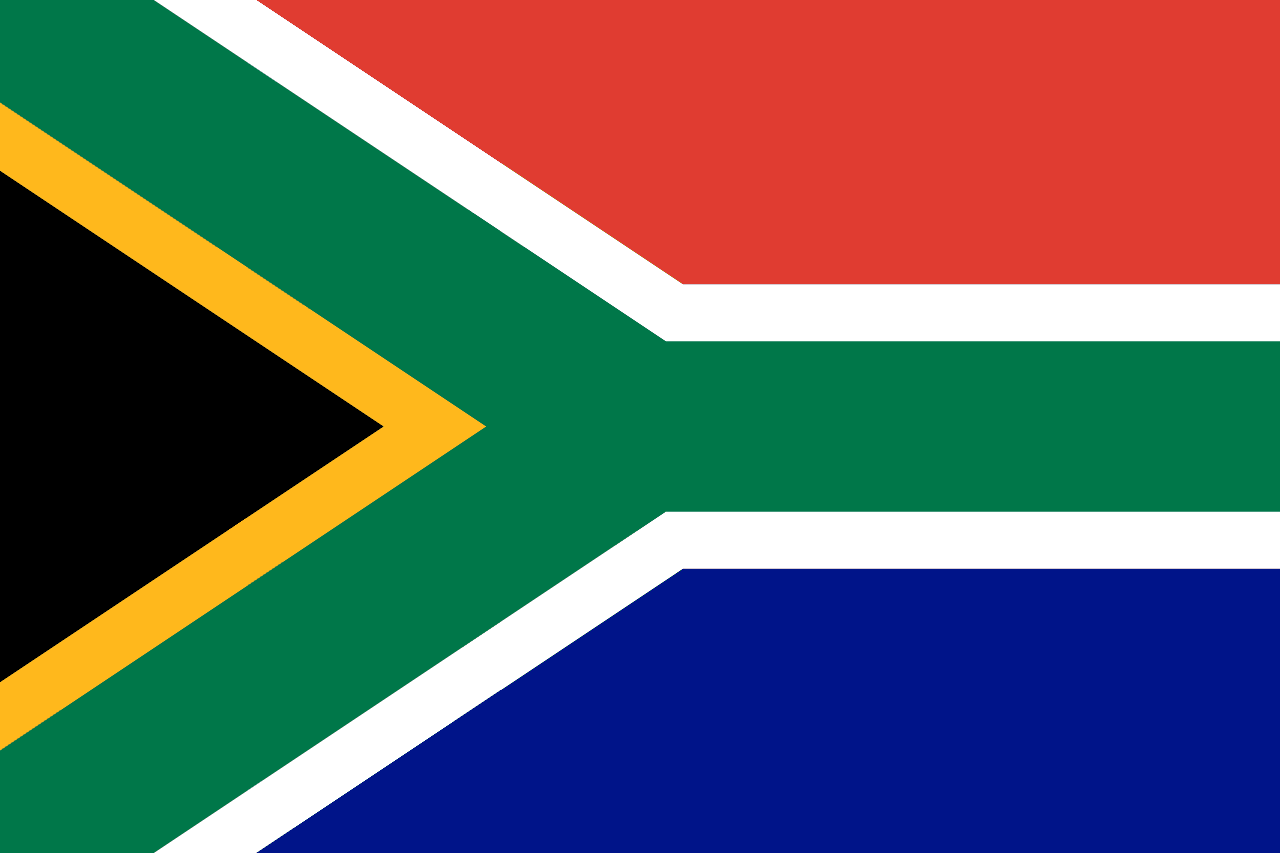
Forty-three. That is the number of political officials murdered in South Africa since the start of the year, according to the Global Initiative Against Transnational Organized Crime. Pretoria's authorities count only twenty. Even at the lowest figure, the verdict is the same: men and women who chose to serve their neighbourhoods are being killed, often in broad daylight, because they got in someone's way. And we are supposed to accept this in the first multiracial democracy on the continent?
On Wednesday, South Africans go to the polls for municipal elections. They will do so with a question in their gut that no one in a democracy should have to ask: will the candidate I support still be alive in six months? In many municipalities, the answer depends on what he agreed to, or refused, in a public tender.
KwaZulu-Natal remains the hardest-hit province, according to South Africa's own authorities. Durban, its flagship city, is the darkest theatre of it. Councillors are among the most frequent targets, for three reasons everyone knows and no one wants to name: corruption, ties to criminal networks, and internal power struggles within parties. In other words, it is not ideas that are killing people. It is contracts.
Let us speak plainly about what lies behind these assassinations. A municipality manages considerable budgets: waste collection, housing construction, road repair, transport, land allocation, recruitment. Whoever controls these markets controls the city. And in a system where the dominant party has turned municipal posts into meal tickets for its activists, every tender becomes a battlefield. A councillor who refuses to sign, who denounces an inflated invoice, or who no longer wants to share the loot can become a target. A councillor who keeps quiet and collects his cut is often protected, until the day his ally becomes his rival.
The most outrageous thing is the silence. The ANC, the party that led the struggle against apartheid and still carries the memory of Nelson Mandela, is losing its electoral influence, and it knows it. But the question is not only electoral. When a party lets its own elected officials be gunned down and offers nothing but condolence statements, it admits it no longer controls what happens in its own ranks. What are the national leaders waiting for to publish audits of KwaZulu-Natal's municipalities, to say who won which contracts, and to expel those with links to criminal networks? Every month of silence is another month in which death functions as an administrative procedure.
This scenario is not unique to South Africa. In too many of our countries, the capture of the state by a small elite has ended up requiring an enforcement tool: violence. When oversight institutions are weak, when judges are slow or can be bought, when the police arrive too late or never come, the bullet becomes the arbiter. This is exactly what democracy is supposed to prevent. An election in which you can be killed for winning a seat is not a free election. It is a black market with ballot papers.
We cannot accept this compromise. Fortunately, Africa is not condemned to this path. Since independence, Botswana has built a state that long made the transparent management of its resources a priority, with anti-corruption institutions equipped with real means. Mauritius has also shown that peaceful alternation of power, the rule of law, and an independent anti-corruption commission can transform a country within a few decades. These are not perfect models, but they are proof: good governance is not a Western dream. It is an African political choice.
So what is to be done? First, publish. Every municipal contract, every tender award, every declaration of interests by an elected official must be available online, in a readable format, so that journalists, NGOs such as Corruption Watch, and citizens can verify them. Second, independence. Specialised police units, prosecutors, and bodies such as the Directorate for Priority Crime Investigation must have stable budgets and be shielded from partisan interference. An investigation into a political assassination that leads to no conviction is one investigation too many.
Third, protect those who speak out. An elected official who exposes fraud must receive real protection, not a promise. A funded and independent witness and whistleblower protection programme would already have saved lives. Fourth, the private sector must refuse corruption. Companies that pay bribes to win a municipal contract feed precisely the machine that kills. A transparent public procurement system, with open tenders and independent oversight, is as good for investors as it is for voters.
And you, citizens of Durban, of Pietermaritzburg, of Johannesburg and of the whole country, you hold a power that no one can take from you. Demand to see your neighbourhood's budget. Attend council meetings. Require every candidate to publish his asset declarations and sources of income before you entrust him with your vote. Vote for those who agree to answer to you, and punish those who run from questions. An elected official who knows his constituents are watching is harder to buy, and therefore harder to make disappear.
Forty-three dead. How many more before we stop describing "political violence" as a local fate? How many councillors must be buried before the leaders of the ANC, of the opposition and of the state demand accountability? On Wednesday, the ballot boxes will decide who governs Durban. What matters is that South Africans demand that the next municipal team be answerable, transparent and protected. Democracy is not defended with press releases. It is defended with names, numbers, prosecutions and conscious votes.
Based on reporting by ACSS-EMAIL