acss-digest
Kenya Just Handed a Nigerian Tycoon the Keys to Its Fuel
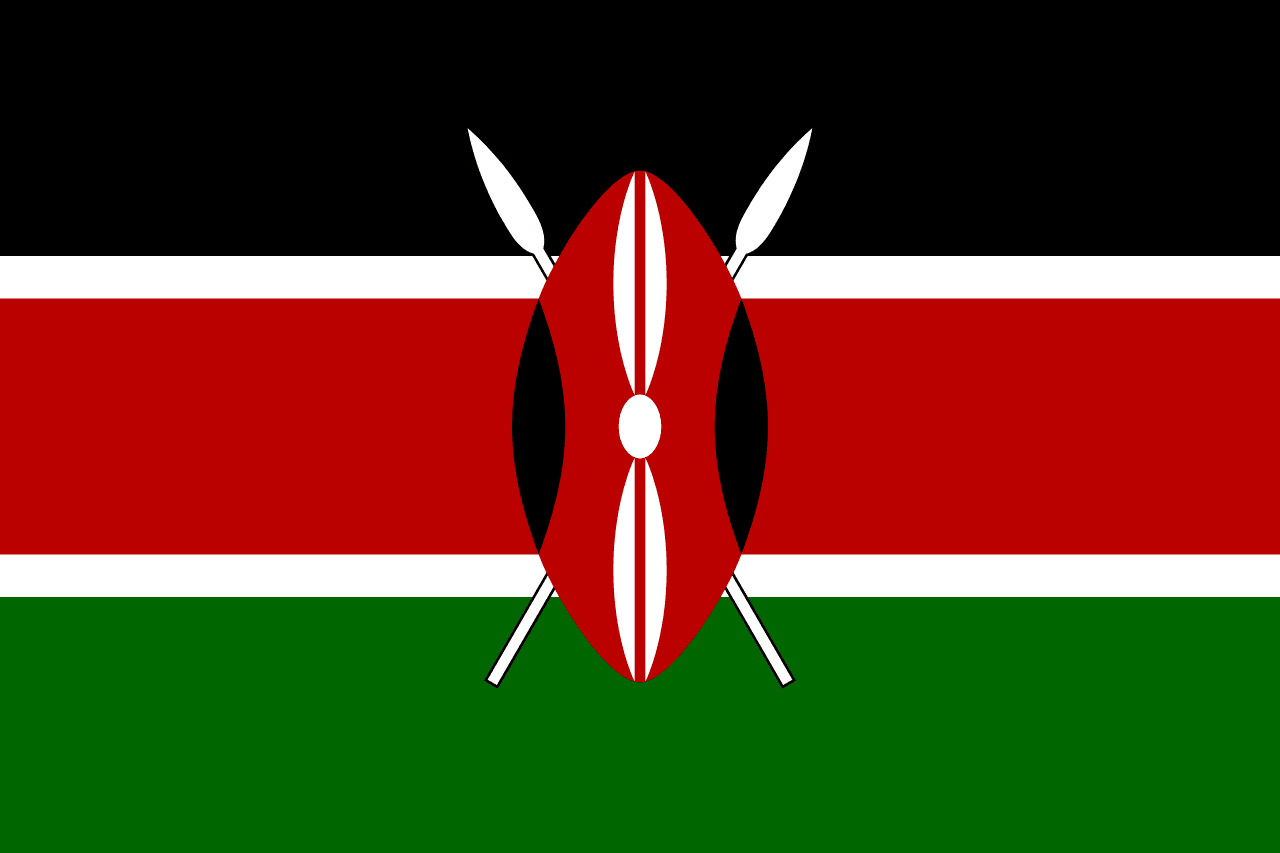
Every Kenyan who has queued at a petrol station knows the feeling. The price board changes overnight, and the family budget shrinks with it. Matatu fares climb, the price of maize follows, and a mother in Kisumu decides which meal to skip. Now a Nigerian billionaire is planning to put $1.5 billion into the pipes that carry that fuel across Kenya. Before anyone in Nairobi celebrates an investment figure, we need to ask who is buying a share of the country's energy backbone, on what terms, and who will be left holding the bill.
According to the Financial Times, as relayed by Semafor, Aliko Dangote's company has acquired a 25% stake in the Kenya Pipeline Company, and he plans to expand the network as part of a wider push to turn his oil and gas unit into a pan-African operation. Dangote is Africa's richest man, and his ambitions are not hidden. He built a massive refinery in Lagos, one of the largest single-train refineries in the world, and he now wants to take that model across the continent. Some of that ambition may be real and productive. But ambition is not accountability, and a $1.5 billion plan is not a public good until the public can see the contract.
Let us be precise about what we know and what we do not. We know the stake was acquired, we know the investment figure, and we know the strategic intent. We do not have, in the reporting available, the full terms of the transaction, the valuation method, the governance rights attached to that 25%, the tariff implications, or whether the deal went through open competitive bidding. Those gaps are not a minor detail. They are the entire story. Kenya's pipeline company is not a corner shop. It is critical national infrastructure that moves the bulk of the country's refined petroleum products. Whoever sits on its board shapes the price, the supply, and the security of fuel for more than fifty million people.
And here is what should make every Kenyan uneasy. Kenya has been down this road before, and the pattern is familiar across our continent. A government under fiscal pressure looks for capital. A foreign or politically connected investor arrives with a headline number and a promise of modernization. The public is told that privatization is the price of progress. Then the tariffs rise, the transparency falls, and the regulator discovers that it lacks the teeth to correct anything. Kenya has already seen its citizens take to the streets over taxes and the cost of living, including the mass youth-led protests of 2024 and 2025 that frightened the political class precisely because the anger was about money in ordinary pockets. A fuel monopoly, or even a fuel oligopoly, is the surest way to turn that anger into a national crisis.
We must also refuse the lazy comfort of calling this simply "African investment in Africa." Pan-Africanism is a noble idea, and we should celebrate capital that stays on the continent rather than flowing to London or Houston. But a pan-African champion is only a blessing when it answers to African citizens and African law. A continental tycoon who controls refining in one country, pipelines in another, and distribution across several more is not a liberator. He is a concentration of economic power that no single parliament, no single regulator, and no single court can comfortably check. Dominance without competition is just a different kind of colonialism, and it wears a local face.
So what should happen? First, Kenya's Energy and Petroleum Regulatory Authority and the Competition Authority of Kenya must publish the full terms of the acquisition and the planned $1.5 billion expansion, including ownership structure, board seats, pricing mechanisms, and any exclusivity clauses. Second, Parliament, through its energy and finance committees, must hold open hearings with Dangote's representatives and the Treasury, not closed-door briefings. Third, any expansion must be subject to open access rules, so that independent importers and marketers are not squeezed out of the network by the owner of the pipes. A pipeline that favors its owner's own fuel is a toll road that extorts every other user.
Kenya does not have to reinvent good governance. Botswana built one of Africa's most admired economies on transparent institutions, a clear legal framework for natural resources, and a government that treats public assets as public trust. Mauritius has shown that a small economy can attract serious investment while keeping strong courts, predictable regulation, and open competition. Rwanda's economic strides are real, and its institutional discipline is worth studying, even as we condemn its military aggression next door. The lesson from these examples is simple. Investment thrives where the rules are written in advance, enforced equally, and published for everyone to read. Private capital is welcome. Private capture is not.
Civil society has a role here too. Kenyan journalists, consumer groups, and business associations should demand that every privatization or equity deal in the energy sector come with a public disclosure standard, and that independent auditors verify the numbers. The private sector, especially small fuel marketers and transporters, should organize to defend fair access rather than wait to be squeezed. Regional bodies like the East African Community should ask whether cross-border energy consolidation is building integration or building monopoly.
Kenyans, this is your fuel, your infrastructure, and your future. Do not let a headline about $1.5 billion stand in for a public debate you were never invited to. Demand the contract. Demand the regulator's findings in plain language. Demand that your MP explain, in public, who benefits from higher pump prices and who pays for them. Ask the question every citizen should ask of every powerful investor who arrives smiling: when the pipes are full and the prices are high, whose side will you be on?
We have seen what happens when strategic assets fall into the hands of people who answer only to themselves. We have seen the bill arrive in our kitchens, our transport fares, and our children's school fees. Africa does not need richer billionaires. It needs stronger institutions, honest contracts, and governments that treat every shilling of public value as a debt owed to the people. Kenya still has time to get this right. The question is whether its leaders will act like guardians of the public interest, or like salesmen closing a deal.
Based on reporting by ACSS-EMAIL