general
Russia and America Just Traded Sahrawi Self-Determination for Bargaining Chips
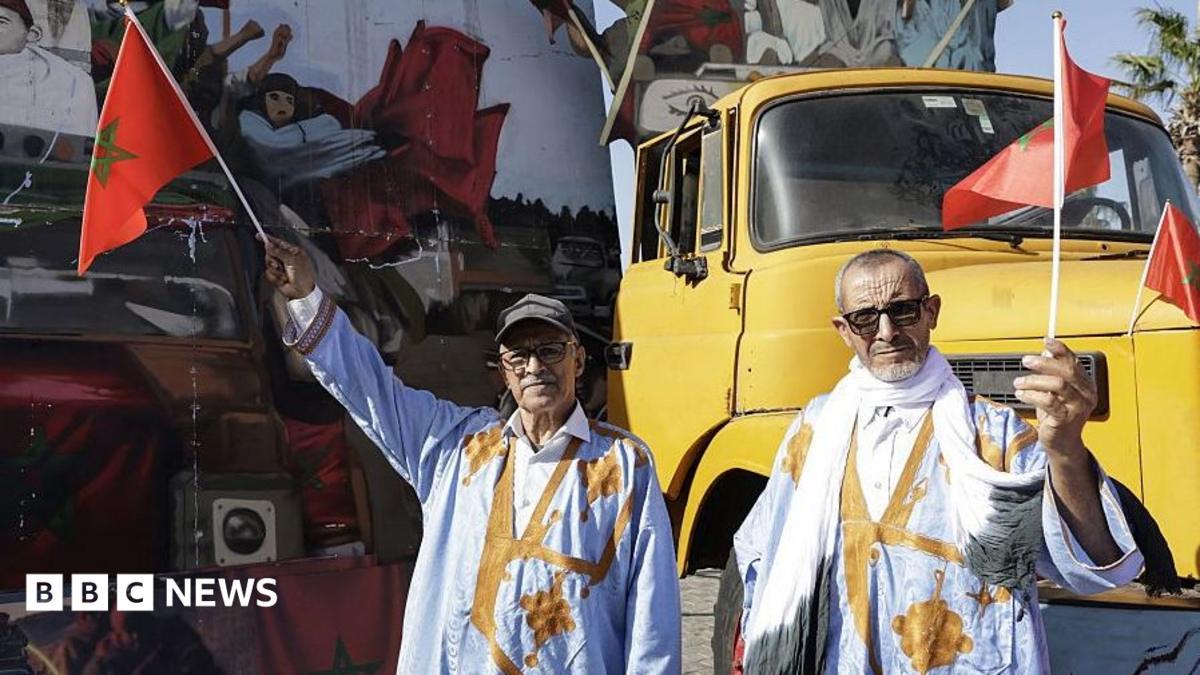
Sixty thousand people in refugee camps in the Algerian desert did not get a vote on Friday. Neither did the families living under Moroccan administration in Laayoune and Dakhla. Their future was decided in New York by two permanent members of the UN Security Council, and the African Union, which officially recognises the Sahrawi Arab Democratic Republic, was not in the room.
Let us be precise about what happened. The UN Mission for the Referendum in Western Sahara, known as Minurso, was allowed to expire at the end of 31 October 2025. The mission had been in the territory since 1991, when a ceasefire ended sixteen years of war. It was never fully funded for its purpose, and it never delivered the referendum it was created to organise. But it was the last formal instrument standing between a population and the permanent loss of its right to choose. Now it is being packed up, with 155 military personnel, equipment and assets being transferred out of the territory in the coming days.
Russia vetoed the American draft, which would have stripped the word "referendum" from the mission's name and made Morocco's autonomy plan the sole basis for talks. That draft still won eleven of fifteen votes, including France and Britain. Russia then tabled its own draft to extend the mission unchanged. It collected two votes. Think about what that means. Moscow blocked a text it considered too favourable to Rabat, and then offered one that almost nobody wanted. Washington and Moscow were not defending the Sahrawi people. They were defending their positions in a larger game, and the people paid the price.
This is the pattern we have seen before, and we must name it. The United States recognised Moroccan sovereignty over Western Sahara in 2020 as the price of a Morocco-Israel normalisation deal. France endorsed the autonomy plan in 2024. The Security Council backed autonomy as the "most feasible" solution in 2025. Each of these moves was made in a corridor far from Tindouf, far from Laayoune, and far from any ballot box. The West lectures Africa about democracy at every summit. Yet when a referendum on self-determination stood in the way of a diplomatic arrangement, it was the referendum that got sacrificed.
We are not naïve about Morocco. Rabat has a serious argument that many Moroccans and some Sahrawis take seriously. It has invested heavily in roads, ports, and infrastructure in the territory, and it has won diplomatic support from at least ten African states that have opened missions in Laayoune. But investment is not consent. Independent rights organisations have repeatedly documented restrictions on journalists, activists, and foreign observers who try to work in the territory, and the Gdeim Izik trials and the disappearance of activists remain open wounds. A government that is confident its people would choose it does not need to fear an honest count. Rabat should be asked why it has never allowed one.
And we cannot pretend Algeria is a neutral observer. Algiers hosts Polisario, shelters the refugee camps around Tindouf, and has spent an estimated $25.4 billion on its military last year, more than four times Morocco's $6.3 billion, according to SIPRI. That is money that could have built schools in Oran, clinics in Constantine, and jobs for young Algerians who are leaving the country by boat. Algeria's generals have turned a humanitarian tragedy into a strategic asset, and the Sahrawi refugees have been used as a bargaining chip for half a century. Algeria's rulers are not fighting for the Sahrawi people's freedom. They are fighting for their own relevance, and the refugees know it.
So where does this leave the people who matter most? Two generations of Sahrawis have grown up without ever casting a vote on their own future. A child born in the Tindouf camps in 1992, the year the referendum was supposed to happen, is now over thirty. The UN's own envoy warned that losing the mission risks renewed hostilities, and Oxfam has warned about civilian consequences. Morocco's foreign minister insists the ceasefire still stands. Polisario has not said what it will do next. When a ceasefire is held together by a monitoring team that is leaving, nobody should be surprised when the guns come back out.
This is a continent with a better model available to it. Botswana built one of Africa's most credible democracies on diamond revenue by insisting on transparent contracts, independent courts, and peaceful transfers of power. Mauritius shows that a small, multi-ethnic state can grow rich through open markets, property rights, and strong institutions. Senegal has twice proved that voters can remove an entrenched incumbent without bloodshed. None of these countries is perfect. All of them understand the principle at stake here: people, not governments or great powers, must decide who rules them.
Here is what should happen. The African Union must take the Western Sahara file back from the Security Council and appoint a credible mediator with a mandate to convene direct talks between Rabat, Algiers, Polisario, and Sahrawi civil society, including women and youth from the camps and from the territory. Any autonomy arrangement must be put to a genuine vote, supervised by independent observers and open to the diaspora and refugees, with real safeguards for press freedom and the right to campaign. If Morocco is confident in its plan, it should have no fear of that test. The AU should also establish an independent human rights monitor in the territory before any further steps are taken. And phosphate and fishing revenues should be placed under transparent, audited accounts so that wealth from the territory serves its people rather than shadowy contracts.
To the young people of Morocco, Algeria, Mauritania and across the Sahel, we say this: do not let your governments turn you into soldiers for a war your grandparents were sold. Ask your parliamentarians why nationalist slogans are easier to buy than honest elections. To the diaspora, write to your MPs and to the African Union Commission in Addis Ababa. Demand that Africa's own institutions, not the veto-holders of the Security Council, set the terms for Africa's unfinished decolonisation.
Self-determination is not a favour that powerful states hand out when it suits them. It is the right of every people to choose. The Sahrawis have waited fifty years. The world has had fifty years to keep its promise. Enough. Let them vote.
Based on reporting by BBC