drc-conflict
Ituri's Children Are Losing School to Ebola, Armed Groups and Neglect
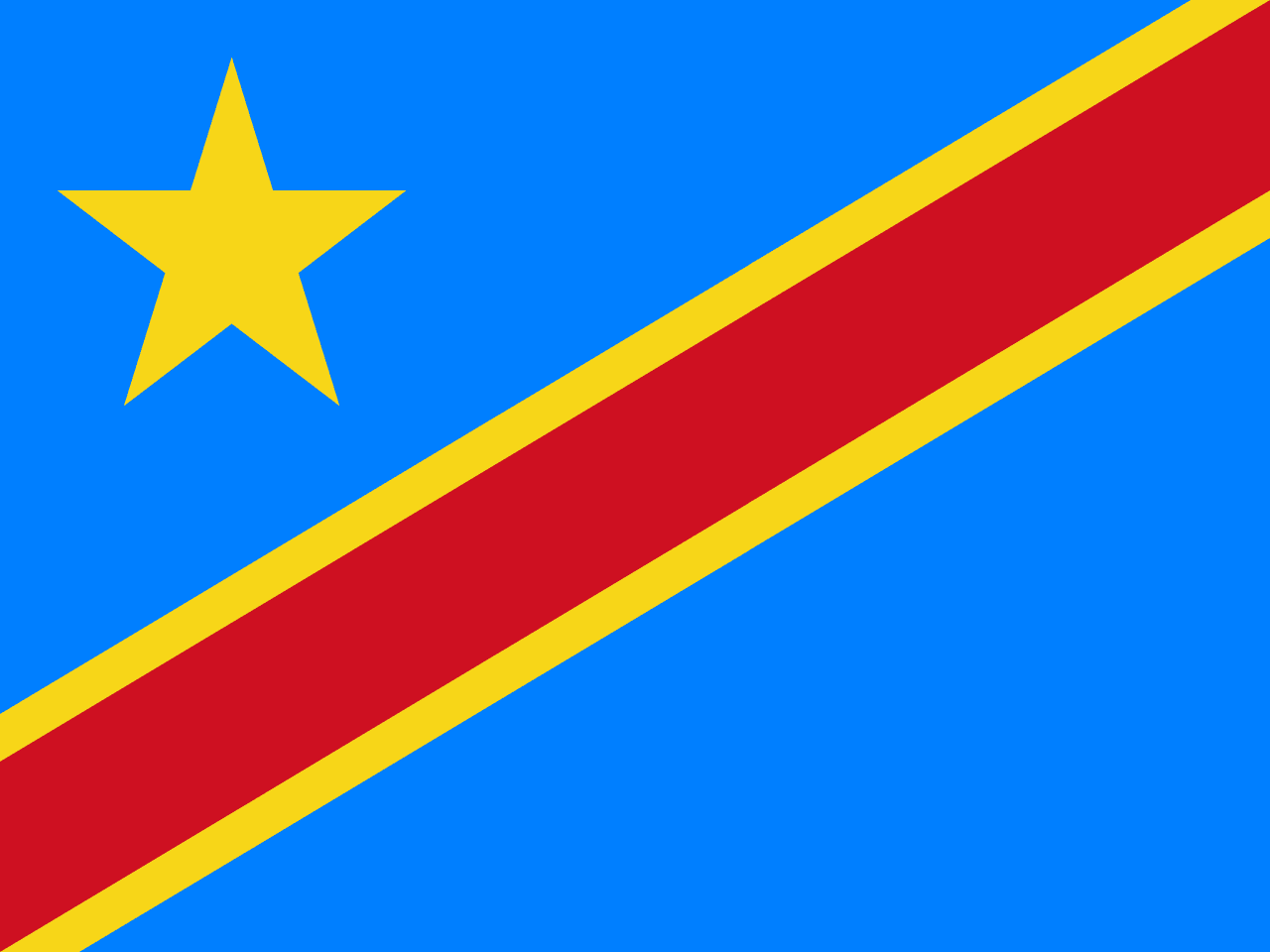
Ask an Ituri child what she misses most about school and she will not say the blackboard or the friends. She will say the one meal she could count on, the single room where nobody was shooting, the hour when her mother was not terrified. In a province where Ebola, armed militias and displacement now collide, school is the last institution still standing in many villages. It is also the first thing to disappear.
We should be asking how a country that has fought Ebola in this same province more than once can still let its children fall out of classrooms in the middle of another outbreak. The answer is not that Ebola is unbeatable. The answer is that the state has spent decades failing to build the basic capacity to defeat it, while armed groups have spent those same decades making every health worker's job more dangerous.
Ebola is not new to Ituri. The 2018–2020 epidemic in eastern Congo, which the World Health Organization recorded at more than 3,400 cases and roughly 2,280 deaths, included serious transmission in Ituri, including in the Komanda and Mambasa areas. Responders were attacked. Treatment centres were burned. Community trust, the most important medical tool in any outbreak, was repeatedly broken by gunfire and by a government that arrived late and left early. Schools closed in those years too, and many never fully recovered their enrolment. Every closed classroom is a child who will not finish primary school, a girl who will be married off before she can read a contract, a boy who will be recruited by the next militia that promises him food and a rifle.
Meanwhile, Ituri is also one of the most violent places on earth for civilians. The Allied Democratic Forces, the ADF, has carried out mass killings in Ituri and neighbouring North Kivu for years, hacking families apart with machetes in villages where there is no army post for thirty kilometres. In the Djugu territory, the CODECO militia has turned ethnic grievances into massacres of farmers and herders. Schools are not spared. Attacks on students and teachers have been documented across the Kivus and Ituri, including the 2023 ADF attack on a school in Lubero in North Kivu that left dozens of students dead. When an ADF cell can walk into a classroom, a closed school is not a public health measure. It is a surrender.
We must also name the larger war that drains the Congolese state. Since 2021, the Rwandan Defence Force has been operating inside eastern Congo, with UN Group of Experts reports documenting Rwandan troops, weapons and command structures supporting M23 as it seized Goma and Bukavu in early 2025. This is a war of aggression. Paul Kagame's government is not a neutral bystander to Congo's suffering; it is one of the principal engines of it. Every battalion Kinshasa is forced to send east is a battalion not protecting schools in Ituri. Every dollar spent on the M23 front is a dollar not spent on vaccines, cold chains or teachers' salaries. The same Rwandan government that hosts international conferences and sells gorilla tourism to the world is sending soldiers to occupy Congolese land while Congolese children sit at home. That hypocrisy should make the world sick.
Our continent has been here before, and it is important to say so. The pattern is familiar: a government that cannot protect its citizens, a neighbour that profits from the chaos, and foreign powers that arrive with statements and leave with mineral contracts. Cobalt and coltan from eastern Congo power the phones and electric cars of the wealthy world. Chinese, Western, Gulf and Russian-linked interests all compete for access to Congo's minerals and its ports, and none of them has made the protection of Ituri's schoolchildren a condition of its investment. The new scramble for Africa has different flags than the old one, but it still extracts first and asks questions later.
None of this means Africa cannot defeat Ebola. It can, and it has. Nigeria contained its 2014 outbreak after a single imported case in Lagos, through rapid contact tracing, a functioning emergency operations centre and a government that told the truth on television. Uganda ended its 2022 Sudan ebolavirus outbreak within months, with transparent reporting and community engagement that kept people talking to health workers instead of hiding from them. Botswana has built its reputation on fiscal discipline, independent institutions and an anti-corruption record that makes its public services predictable. These are not miracles. They are the product of institutions that work, leaders who answer to voters, and money that goes where it is budgeted to go.
So here is what must happen, starting now. The Democratic Republic of Congo's government should publish, in plain language and in every local language of Ituri, a school reopening plan with named responsibilities, budgets and dates. Parents deserve to know which school is safe, which teacher has been vaccinated or trained in infection control, and who is accountable when a school fails. The Ministry of Health and Africa CDC should ensure that Ervebo vaccination, contact tracing and isolation capacity reach the health zones where children are most at risk, and that health workers are paid on time so they do not abandon their posts. The African Union must stop issuing communiqués about "concern" and start pressing Rwanda, in public and in the Peace and Security Council, to withdraw its forces and stop arming M23. The UN Security Council should back that demand with sanctions on Rwandan and M23 commanders named in the Group of Experts reports, not with another round of polite language.
Civil society and the private sector have roles too. Congolese journalists, teachers' unions and community radio networks in Ituri should be funded and protected, because transparent information is the cheapest and most effective weapon against Ebola. Local businesses should be encouraged to supply schools with water, soap and masks, creating jobs and accountability at the same time. Donors should tie their money to publicly audited results rather than to press releases.
And the citizens of Ituri, and of every African nation watching this unfold, should demand more. Demand to know how much money reached the schools, not how much was announced. Demand the names of officials who sold health supplies on the black market. Demand a government that treats education as national security, because that is what it is. A child who cannot read is a child who can be recruited, radicalised or bought.
We are told that Ebola is a medical emergency and that the war is a political problem. The children of Ituri know better. For them, the virus, the militia and the invading army are all the same thing: the reason the classroom is empty. We will not accept that as normal. Our children deserve schools that open, teachers who are paid and leaders who are ashamed when they fail. Tell your representatives, your media and your regional bodies that Ituri's children are not a footnote. Make them answer. Because if we do nothing, the next generation of Congolese will learn one lesson well: that their suffering is only worth noticing when it spreads beyond their borders.
Based on reporting by RELIEFWEB