acss-digest
Uganda, Mali and Ethiopia Are Jailing, Erasing and Silencing Their Critics
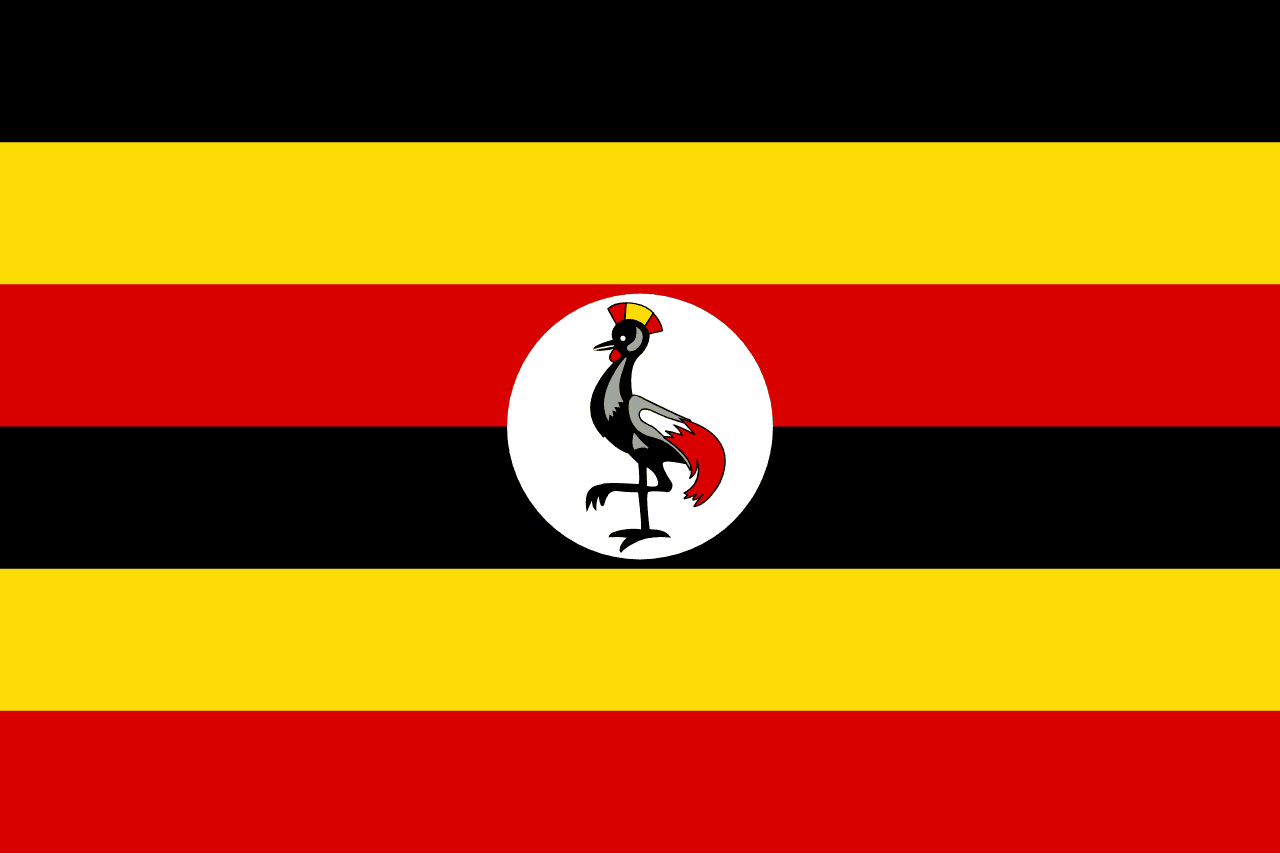
Picture a man of seventy who once challenged a president for the highest office in Uganda, now learning to say "dog" and "boy" again from a flashcard. That is where Dr Kizza Besigye stands three months after he collapsed in a courtroom and was rushed to intensive care. Speech therapists. Physical exercises. Word charts. This is not a hospital story. It is a state story, and every African who has ever been locked up for speaking should be asking the same question: how does a politician end up in this condition while the state holds the keys?
Start with Uganda. Besigye has been in custody since November 2024, when he and his aide, Obeid Lutale, were arrested in Kenya and returned to Uganda. They now face treason charges alongside UPDF Capt Denis Oola. All of them deny the charges. Their lawyers and political allies say the case is political, and nothing since has given the public a reason to think otherwise. Doreen Nyanjura, the former Kampala deputy lord mayor who now heads special interest groups for the People's Front for Freedom, posted her account of the visit on X on October 20, 2026. She described the distance between what she expected and what she found. A man who once filled rallies, now relearning basic words. Ask yourself what kind of justice system keeps a seventy-year-old in detention while he rebuilds his voice, and then asks the public to trust its courts.
Now move west to Mali. On the night of May 3, armed and masked men dragged Mountaga Tall from his home in Bamako. Two weeks later his son, Cheick Mamadou Tall, went missing and never came back. Six months on, no one has produced a body, a charge, a court order, or a living sign of either man. Tall led the National Congress for Democratic Initiative, a party the junta dissolved in 2025 along with every other political party in the country. He had become one of the regime's most vocal critics. So the sequence is clear: the junta banned the parties, then the critic disappeared, then his son disappeared. Amnesty International's regional director for West and Central Africa, Marceau Sivieude, demanded proof that both men are alive and access for their families, lawyers and doctors. That is the minimum any civilised state owes a citizen. Mali's soldiers have not given it.
Then Ethiopia. On Monday, November 2, the Ethiopian Media Authority indefinitely suspended the registration certificate of Media and Communication Center PLC, the publisher of The Reporter in Amharic and English. The suspension covers print, broadcast and digital platforms. It stays in force until the company fulfils what the Authority calls its legal and ethical obligations, a standard so vague that the regulator alone decides when the paper has complied. The Reporter was founded in 1995 by Amare Aregawi and has run for three decades under the motto "Free Press, Free Speech, Free Spirit." Thirty years of scrutiny of power, and a single signature can switch it off. Ethiopia has a constitution that promises press freedom. What it lacks is a regulator willing to be bound by it.
Nigeria is a different case, but the same disease is spreading there in new clothes. Ahead of the 2027 general elections, the European Union's ambassador to Nigeria and ECOWAS, Gautier Mignot, and the International Press Centre, led by Lanre Arogundade, warned at an Abuja summit that deepfakes, AI-generated content and coordinated political disinformation are now a live threat to the vote. Arogundade put it bluntly: "Awareness alone is insufficient." He is right. Nigeria does not need another conference. It needs a working system that can detect manipulated content, verify it, escalate it and respond before lies decide an election. The summit proposed an Electoral Information Integrity Response Protocol and an "Abuja Commitment." Those ideas deserve support. They also deserve enforcement, because a commitment that binds no one is just a press release.
Put these four stories side by side and the pattern is unmistakable. Uganda uses the courts as a cell. Mali uses the night as a prison. Ethiopia uses the regulator as a guillotine. Nigeria's threat arrives through a screen, but its target is the same: the citizen's right to know what is true before choosing a leader. Each government has learned that you do not need to ban the press or the opposition outright. You only need to make dissent expensive, dangerous or invisible. And the people who pay are never the men in the palace. They are the families waiting outside the court, the wives calling police stations, the journalists who wake up to find their paper has no legal existence.
Who benefits from this silence? Not the Ugandan public, which loses a credible alternative. Not the Malian people, who are told the junta is restoring order while their critics vanish. Not Ethiopian readers, who lose one of the few independent sources of national debate. The beneficiaries are the men who prefer the ballot box empty, and the foreign partners who prefer their partners quiet. Russian security contractors operate in Mali. Gulf and Chinese capital move freely through regimes that do not ask uncomfortable questions. Western capitals loudly condemn coups in speeches, then keep trading with the men who carry them out. Africa's dictatorships have never needed a new scramble for their loyalty. They only need someone willing to look away.
We have seen what the alternative looks like. Senegal in 2024 is the proof. When an incumbent tried to postpone a presidential election, Senegal's courts pushed back, its citizens took to the streets, and the vote went ahead. Bassirou Diomaye Faye won, and power passed peacefully. Botswana has shown the same discipline for decades, and in 2024 it handed power to the opposition at the ballot box without bloodshed. Mauritius has built a record of peaceful alternation and strong institutions. None of these countries is perfect. All of them prove the same thing: when courts are independent, regulators are accountable and voters are protected, the powerful cannot simply take what they want.
So here is what must happen, and it must happen now. Uganda must release Dr Besigye on medical grounds or bail, allow independent doctors of his own choosing to examine him, and either try him in a fair public trial or drop the treason charges. Mali must produce Mountaga Tall and Cheick Mamadou Tall, alive, with access to their families and lawyers, or it must stand before international judges and explain why it cannot. The Ethiopian Media Authority must lift the suspension of The Reporter, and any future media regulation must be subject to judicial review, not the whim of a ministry. The African Union and ECOWAS must stop issuing statements and start applying targeted sanctions to the individuals who order disappearances and shutdowns, with asset freezes and travel bans. And Nigeria's political parties, electoral commission and civil society must turn the Abuja Commitment into binding rules, with rapid-response units, clear penalties for deepfake campaigns, and independent observers empowered to publish findings.
As for us, the citizens, we must refuse to be spectators. Document every arrest, every missing person and every shutdown. Share verified evidence, not rumour. Demand that your MP, your governor and your president answer for each case by name. Support the lawyers, journalists and families who are risking everything to speak. Ask every foreign partner that claims to champion democracy whether its money is buying prisons or ballots. A continent that cannot protect its critics cannot protect its future. The question is not whether Africa can be free. We have already proved it can. The question is whether we will keep letting a few men decide that we are not allowed to know the truth.
Based on reporting by ACSS-EMAIL