acss-digest
The Nigerien Junta Allies With the Haftar Clan, Butchers of Libya
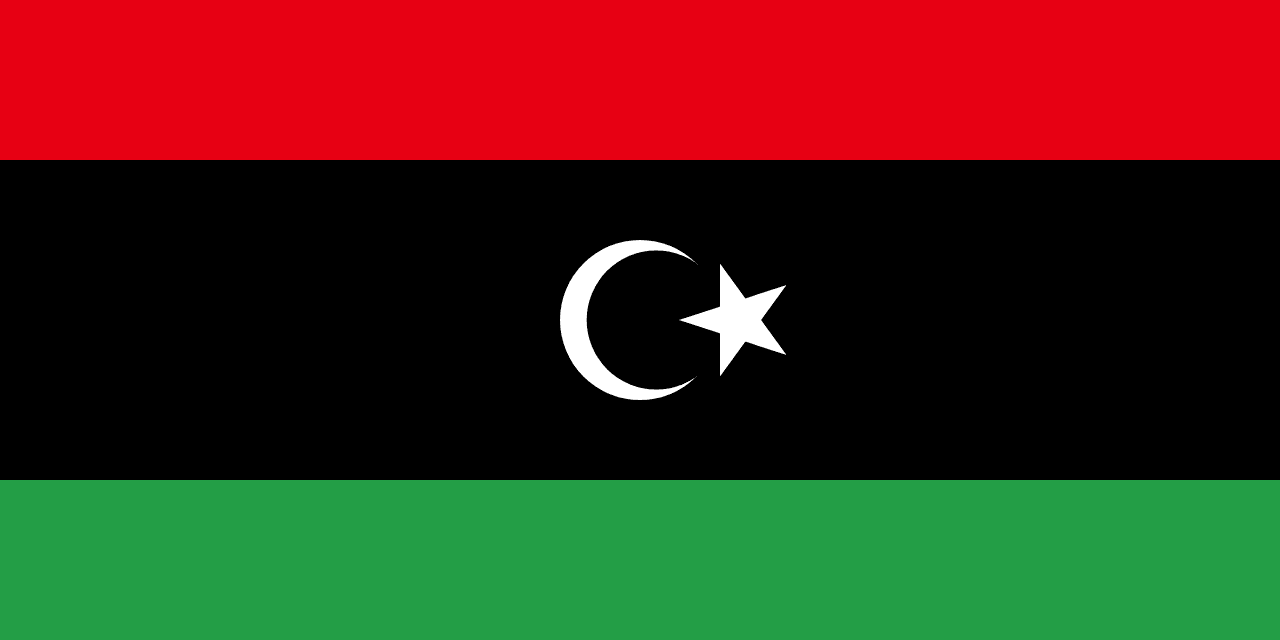
Sunday, November 1, in Benghazi. The Prime Minister of a country ruled by coup-plotting soldiers shakes hands with Saddam Haftar, deputy commander of the Libyan National Army and son of Khalifa Haftar, the man who has spent more than a decade trying to seize Libya by force. They initial a memorandum of cooperation. The communiqués speak of "cooperation" and "regional security." We Africans must call things by their name: this is a pact with a warlord, signed by a government that has not held a free election since it took power by force.
Who will pay the price of this handshake? Not the generals in Niamey, or the men in Benghazi who keep their villas. It will be the Nigeriens in the border towns, the Libyans in Tripoli and Sirte, and the young people of both countries who have no future left except the militia, the smuggling trade, or the crossing of the Mediterranean. Every agreement signed in the shadows with a warlord is a door opened onto a new cycle of violence.
Niger shares more than 340 kilometres of border with Libya. That is not a geographic detail. It is a strategic reality that Niamey has every right to manage. But Libya is today a country split in two, with two rival executives: the government of Abdelhamid Dbeibah in Tripoli, recognised by the UN, and the power of Khalifa Haftar in Benghazi. Yet in mid-June, this same Nigerien Prime Minister, Ali Mahaman Lamine Zeine, was received in Tripoli by Dbeibah to discuss "security, economy and regional issues." Four months later, he sits down with the Haftar family. Playing both sides may be a form of diplomatic survival. But when the house is on fire, you do not sign with the man holding the jerrycan.
We must say who Haftar is. Since 2014 and his "Operation Dignity," the marshal and his army have been at the centre of a civil war that has killed thousands and displaced hundreds of thousands. In 2019 and 2020, his offensive against Tripoli sent civilians under the bombs, destroyed entire neighbourhoods, and left hundreds of people dead. A fact-finding mission of the UN Human Rights Council documented war crimes committed by the parties to the conflict, including the forces of the East. And since 2011, Libya has been subject to an arms embargo imposed by the Security Council, which successive reports of the UN Panel of Experts say has been violated repeatedly by foreign states supplying the belligerents with drones, armoured vehicles and mercenaries.
This is the true face of the partner Niamey has chosen. A man who has made war his model of governance, and who gains influence every time the international community looks away. And every time an African neighbour comes to shake his hand, it is his legitimacy that grows, not Libya's.
The context goes beyond Niamey and Benghazi. Libya has become a proxy battlefield where the ambitions of Russia, the United Arab Emirates and Egypt on one side, and Turkey on the other, which backs the Tripoli camp with drones and military advisers, collide. Each gains bases, oil contracts, and gateways to the Sahel and Central Africa. This is not the new Berlin Conference. It is worse: foreign powers no longer need to carve up Africa on a map. They buy local leaders directly, one cooperation agreement at a time. And African leaders, pressed by their own crises, too often accept the deal.
Niger itself is living through a profound political rupture. Since the coup of July 2023 that overthrew President Mohamed Bazoum, the junta has expelled French troops, ended military cooperation with the United States, and is drawing closer to new partners such as Russia. These choices come at a price in legitimacy, aid, and international trust. When you isolate yourself to protect yourself, you end up entrusting your security to those who demand no accountability, and that is exactly what is happening here.
So what must be done? First, Libya needs unified institutions, not parallel powers. That means a real electoral timetable, a single budget and a single central bank, and an army placed under civilian command. The elections scheduled for December 2021 never took place. It is time for Libyans to vote, and for those who sabotage the process to pay the price. Second, mercenaries and foreign forces must leave Libyan territory, without exception and under verifiable supervision. Third, the arms embargo must be enforced for real, with inspections, sanctions against violators, and consequences for states that arm the militias.
Africa does not need to guess what good governance looks like. Senegal proved in 2024 that a president cannot postpone an election indefinitely when the street, the institutions and the judges say no. Ghana carried out a peaceful transfer of power in 2024, with a people who judged their leaders at the ballot box rather than taking up arms. Botswana and Mauritius have spent decades building states of law, open markets and institutions that hold. These are concrete models, not slogans. If these countries can do it, Libya and Niger can too.
We therefore demand that the African Union, through its Peace and Security Council, place Libya at the heart of its agenda, with a clear mandate for mediation and for monitoring violations of the embargo. We call on the UN Security Council to name and sanction the actors who fuel the Libyan war, regardless of their passport or their oil wealth. We call on ECOWAS and the AES to end corridor deals with warlords and to make all cooperation conditional on verifiable respect for human rights and for the sovereignty of peoples.
And we, citizens of Niger, of Libya, and of the whole continent, have a role to play. Hold your governments accountable. Demand that the protocol signed in Benghazi be published, debated in Parliament where one still exists, and scrutinised by civil society. Support the journalists, lawyers and organisations that document these crimes, because they are the ones who bring down the lies. African sovereignty has never been the privilege of generals. It belongs to the peoples, and it is the peoples who must say no to the deals that sell them off.
Based on reporting by ACSS-EMAIL