think-tank
Washington Is Punishing South Africa for Refusing to Kneel
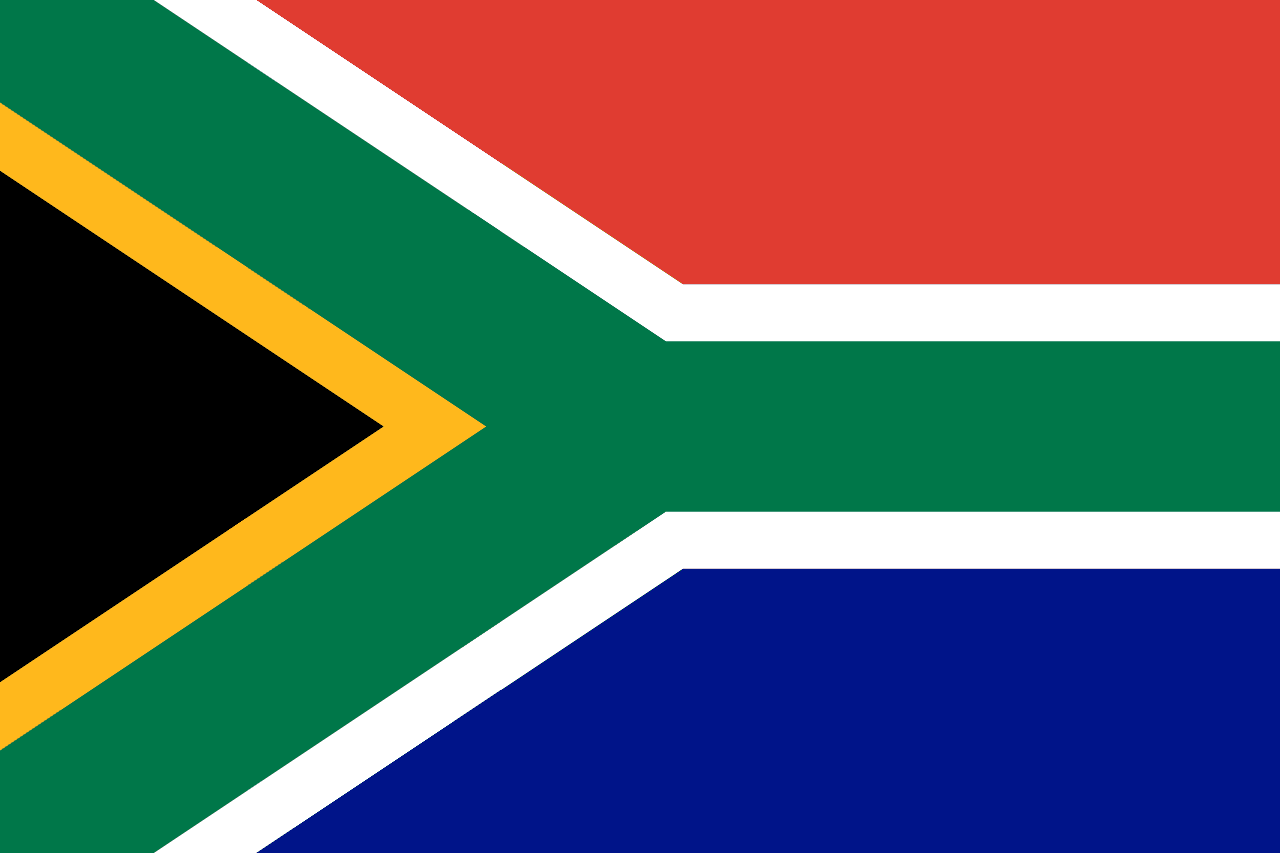
Tomorrow, Americans walk into voting booths to decide who controls Congress. In Johannesburg, Durban, and Gqeberha, the decision will land on factory floors, in clinic queues, and on the desks of exporters who never signed up for a fight with Washington. Ordinary South Africans have no vote in that election, yet they will pay for its outcome.
Ask yourself who is paying for American politics. A mother in Khayelitsha waiting for antiretrovirals does not care which party holds the House. But when American aid programs are cut, dismantled, or frozen by a political fight she never joined, her child's treatment becomes a bargaining chip. That is the reality of a superpower that preaches democracy at us and then uses its wallet like a whip.
Consider what has happened over the past year. The United States imposed steep tariffs on South African goods, a punishing 30 percent rate that hit citrus growers, auto suppliers, and manufacturers already fighting unemployment above 30 percent. The African Growth and Opportunity Act, the trade framework that gave African exporters duty-free access to the American market for more than two decades, lapsed in September 2025, leaving thousands of jobs in textiles and automotive components hanging by a thread. USAID, which funded health programs, governance projects, and civil society organizations across the continent, was largely dismantled. Programs that kept people alive and kept journalists, judges, and election monitors working were cut in weeks.
Then came the diplomatic snub. Washington has signaled it will exclude South Africa from the 2026 G20 gathering it is hosting, a tantrum dressed up as statecraft. The grievances being waved around, including claims about the treatment of white Afrikaner farmers, have been examined and found wanting by many independent observers, who note that South Africa's land reform debates are domestic questions for a sovereign democracy to resolve through its courts and Parliament, not through foreign ultimatums.
Here is the hypocrisy that should make every American voter uncomfortable. The United States has spent decades lecturing Africa about free elections, independent courts, and a free press. Those principles are supposed to be universal. South Africa is one of the few countries on this continent that has lived them. It has a Constitutional Court that has ruled against its own governments. It has a free press that has exposed corruption at the highest levels, including the state capture scandal that cost the Zuma era its legitimacy. It has peaceful transfers of power after contested elections. And when it asserts its independence in foreign policy, refusing to adopt Washington's line on every crisis, it gets punished.
Washington does not punish its autocratic partners this way. Egypt receives billions in American military aid. Gulf monarchies that have jailed critics and executed dissidents remain treasured partners. The message to Africa is clear: democracy is a value we promote when it is convenient, and we withdraw it when it talks back.
Let us be precise about the broader pattern, because this is not only about South Africa. The new scramble for Africa has many players now. China lends billions and builds ports and railways, often on terms that leave borrowers with debt they cannot escape. Russia arms juntas across the Sahel and sends mercenaries to mine gold while local communities get nothing. Turkey, the UAE, Qatar, and Saudi Arabia are all competing for ports, airbases, media influence, and religious networks. Each of them wants something from us. Almost none of them ask whether our citizens can vote freely, whether our judges can rule without fear, or whether our children can attend school. The United States, which claims moral leadership, has too often treated Africa as a transaction rather than a partnership of equals.
That is the context we must refuse to accept. Africa does not need a patron who rewards loyalty and punishes independence. We need trade rules that treat our exporters as businesses, not as political hostages. We need aid that strengthens institutions instead of creating dependency, and aid that is cut only through transparent, rules-based processes that Congress can debate in public.
So what should happen? Start with the American side, because Washington holds the lever. Congress should renew AGOA without political conditions tied to unrelated diplomatic disputes. Trade preferences should be judged by the economic and governance criteria written into the law, not by the mood of a particular administration. Congress should also restore transparency in foreign assistance, requiring public reporting on what programs were cut, why, and who was harmed. Americans who value fiscal discipline should be the first to demand that aid decisions follow clear rules rather than personal grudges.
South Africa, for its part, must stop treating trade as a favor it begs for. Pretoria should accelerate the African Continental Free Trade Area, deepening integration with markets across the continent so that no single capital in Washington, Beijing, or Moscow can hold our economy hostage. Strong property rights, predictable regulation, and an independent judiciary are what attract investment and create jobs. Botswana has shown what disciplined governance and stable institutions can do for a diamond economy. Mauritius built one of the continent's most respected financial and service sectors on rule of law and open markets. Senegal has demonstrated that peaceful alternation of power can survive even in a tough neighborhood. These are not foreign models. They are African proof that the right institutions produce prosperity.
Civil society and the private sector have a role here too. Business associations should lead the case for AGOA renewal with data, not slogans, showing how many jobs depend on American market access. Journalists should track every aid cut and every tariff with the same rigor they apply to corruption. Churches, unions, and youth movements should press their own governments to defend their interests in trade talks rather than sacrificing workers for diplomatic theater.
And citizens must demand accountability from both sides. South Africans should ask their leaders a plain question: what is your plan to replace the jobs and medicines we lost, and when will you deliver it? Americans, particularly those who vote tomorrow, should ask their representatives: why are you willing to harm African families to win a domestic argument?
We are not asking for charity. We are asking for fairness, for consistency, and for the principles that the West says it stands for to finally apply to its own conduct. If democracy matters, it matters in Pretoria and in Washington. If rule of law matters, it matters when the cameras are off and the trade deal is on the table.
Tomorrow's vote in America will be counted, analyzed, and argued over for weeks. The question for us is simpler and more urgent. Will South Africa and the rest of Africa keep being treated as bargaining chips in someone else's election? Or will we demand a partnership built on trade, truth, and accountability? The answer depends on whether we are willing to speak loudly, organize relentlessly, and refuse to be bullied. Start by writing to your representatives. Start by asking your government what it is doing to protect your job, your clinic, and your vote. Then do not stop asking until you get an answer.
Based on reporting by SAIIA