sudan-conflict
South Sudan's Leaders Are Starving Children While Oil Money Vanishes
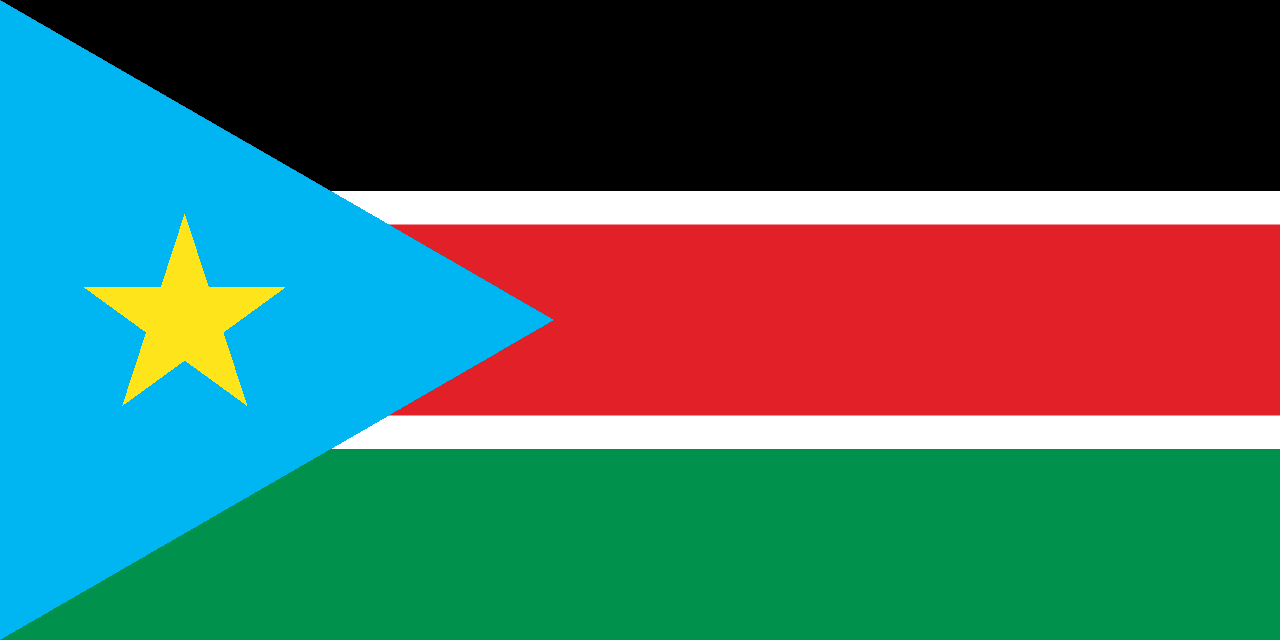
In June 2013, South Sudan signed up to the Scaling Up Nutrition movement, a global coalition that promises to put nutrition at the center of development. Its leaders stood up and made the pledge. They talked about farm-to-plate systems, about resilience, about children who would grow up healthy. Then the country tore itself apart. Within six months of that pledge, a political dispute inside the ruling party exploded into war in December 2013. Over a decade later, millions of South Sudanese still wake up not knowing whether they will eat that day.
Ask yourself what it means for a child to be stunted. It means her body has been starved during the years when it should have been growing. It means her brain will never develop to its full capacity. It means a government with the oil revenue to feed her chose, year after year, to spend that money elsewhere. That is not a failure of geography or bad luck. It is a choice, and it has a name.
South Sudan is one of the most oil-dependent economies on earth. Crude exports account for the overwhelming share of government revenue, and that money passes through a system where budgets are opaque, audits are rare, and the people who control the funds rarely answer to the people who need them. When oil prices fall or pipelines are disrupted, ordinary families absorb the shock first. Farmers who were displaced by fighting cannot return to their land. Markets are cut off by checkpoints where armed men collect their own taxes. Humanitarian agencies, which have repeatedly warned through the UN and the Integrated Food Security Phase Classification system that large portions of the population face crisis-level hunger, are forced to ration aid because the security environment will not allow them to operate freely.
Consider what this means in practice. Food insecurity in South Sudan is not a seasonal inconvenience. It is a structural condition, measured in the millions of people who cannot meet their basic caloric needs in a given year. Each IPC report is a catalogue of counties where hunger has tipped into emergency, where families are selling livestock and seed stock to buy grain, and where the most vulnerable, pregnant women and children under five, are the first to die. These reports are not written to shock us. They are written because the numbers keep getting worse, and the institutions responsible for responding keep failing to close the gap.
We have to be honest about who bears responsibility. The civil war has been fought by factions whose leaders have shared power, signed agreements, broken them, and signed new ones, while their soldiers and militia commanders extracted what they could from the countryside. The 2018 Revitalized Agreement on the Resolution of the Conflict in the Republic of South Sudan was supposed to end that cycle. Its implementation has been slow, its power-sharing arrangements have been repeatedly renegotiated, and the elections meant to give citizens a voice have been postponed again and again. Every postponement is a message to the hungry: your vote can wait, your child's stomach cannot.
This is not only a South Sudanese story. Our continent has seen this pattern before. Sudan, its northern neighbor, is consumed by a catastrophic war that has displaced millions and cut off food supply routes across the region. Regional spillover, refugee flows, and disrupted trade all compound the crisis. Meanwhile, foreign powers circle the region's resources, offering loans, security deals, and mining concessions with little regard for whether the revenue ever reaches a hospital, a school, or a granary. The new scramble for Africa is not wearing colonial uniforms, but it is extracting the same thing: wealth from African soil, paid out to elites, while African children absorb the cost.
Here is the question that should keep every African leader awake at night. If South Sudan can sign a global nutrition pledge, why can it not feed its own people? The answer is that signing a pledge is cheap. Building institutions that deliver is hard. It requires transparent public finance, independent auditors who can publish their findings without fear, courts that can hold corrupt officials to account, and a free press that can report on where the money went. It requires property rights so that farmers can invest in their land with confidence, and functioning markets so that surplus grain moves from the field where it grows to the town where it is needed.
We do not have to guess what works. Botswana, which was among the poorest countries on the continent at independence, built one of Africa's most durable economies by establishing rules before riches arrived. It managed its diamond revenues through a sovereign wealth fund, invested in roads, clinics, and schools, and maintained a reputation for relatively clean governance over decades. Mauritius, with no oil and no diamonds, built a thriving economy on open markets, export manufacturing, and an independent judiciary. Neither country is perfect. Both prove that when governments treat public money as a public trust, citizens eat.
So what must South Sudan do? First, publish every barrel of oil sold and every dollar received, and make the figures public monthly, not once a year when it suits the ministry. Second, establish an independent oil revenue fund with statutory rules limiting how money can be withdrawn, along the lines Botswana pioneered. Third, protect the rights of smallholder farmers to their land and their harvest, and open checkpoints so that food can move freely from surplus areas to deficit ones. Fourth, give humanitarian agencies unhindered access, backed by regional and international guarantees, so that aid reaches the counties where children are dying rather than the ones that are easiest to reach. Fifth, set a firm and credible timetable for elections, with an independent electoral commission that cannot be captured by the men who fear losing power.
The African Union, the regional bloc IGAD, and the UN Security Council have tools they have been unwilling to use consistently. They can impose targeted sanctions on officials who loot public funds and obstruct aid. They can require open audits of oil revenue as a condition of continued engagement. They can support South Sudanese civil society groups, women's organizations, farmers' cooperatives, and independent journalists who are doing the difficult work of documenting what is happening on the ground.
And we, as citizens, have a role that no foreign government can play for us. We must demand that our own governments stop treating South Sudan's catastrophe as a diplomatic footnote. We must support organizations that publish transparent data on hunger and public spending. We must push our parliaments to scrutinize the mining, oil, and security deals that foreign partners sign with African elites. And we must refuse to accept the excuse that hunger in fragile states is simply the price of fragility. Fragility is what happens when accountability is absent. Fix the accountability, and you fix the fragility.
South Sudan signed its name to the nutrition movement in 2013. A decade later, the question is not whether the country has promised enough. It is whether its leaders will ever be made to deliver. Every child stunted by hunger is a verdict on those who controlled the money and chose not to feed the nation. We owe those children more than another pledge. We owe them leaders who answer for what they do with the oil, the aid, and the power that belongs to the people.
Based on reporting by RELIEFWEB