sudan-conflict
South Sudan's Rulers Steal the Oil While Floods Drown Their People
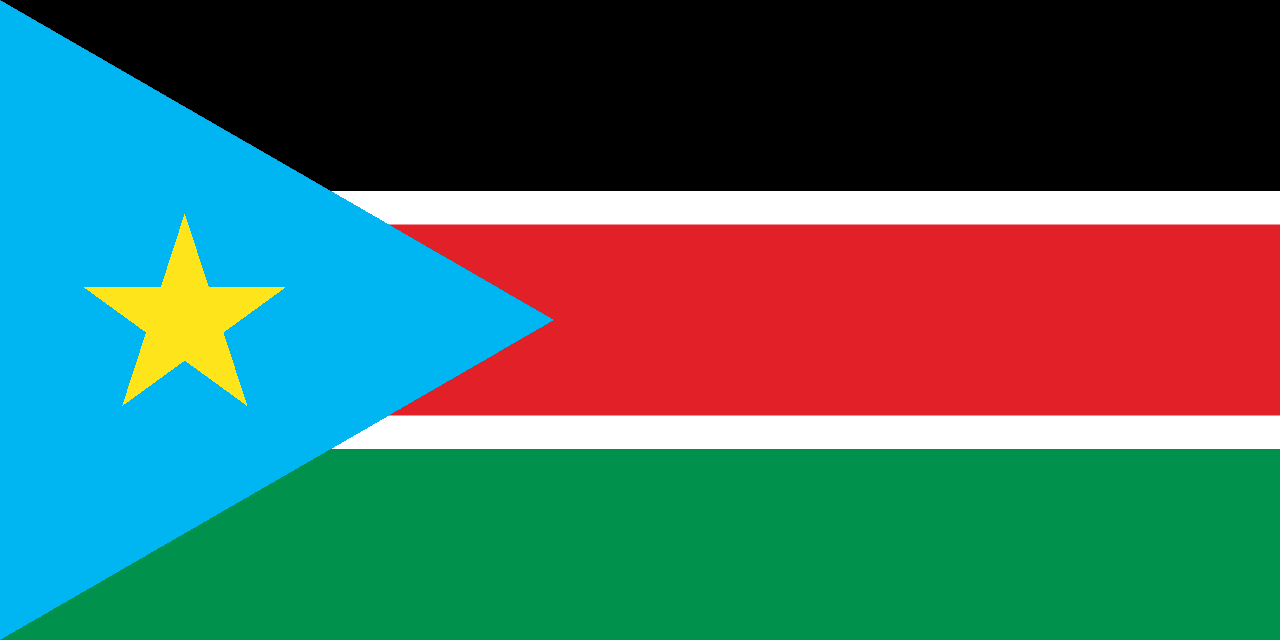
Ask a mother in Jonglei what a flood looks like. She will not describe rain. She will describe the morning the water rose past her doorway, the goats she could not save, the sorghum rotting in a store that was supposed to last until the next harvest. Then she will describe the morning after, when the aid trucks did not come, and her children learned what hunger sounds like.
This week the United Kingdom announced £2.1 million, about US$2.8 million, to the Food and Agriculture Organization and the World Food Programme to get ahead of the floods and droughts that El Niño is expected to bring to South Sudan. The money will fund early warnings, cash for households before the water arrives, and supplies stockpiled in Jonglei, Unity and Upper Nile. Running until March 2027, the programme will reach hundreds of thousands of people. Good. Every life saved by early action is a life that did not have to be lost.
But we would be lying to ourselves if we called this a solution. It is a bandage on a wound that someone keeps reopening.
Consider the arithmetic of a country that is supposed to be sovereign. South Sudan earns the overwhelming majority of its government revenue from oil, roughly 90 percent by most estimates. That oil flows through pipelines that run north through Sudan, a route made fragile by Sudan's own war. Oil is the lifeblood of the state, yet the people who live on the land it sits beneath remain among the most food-insecure populations on earth. UN assessments have repeatedly put millions of South Sudanese in acute food insecurity during lean seasons, with more than half the population at risk in the worst periods. A country that exports crude every day cannot feed its own farmers. Where did the money go?
Successive audit reports from South Sudan's own Auditor General have flagged unaccounted-for public funds, irregular payments and spending that never reached the institutions it was meant for. Publicly available records show that the ruling political class has made a habit of ignoring those findings. Salaries for soldiers and civil servants have gone unpaid for months at a time, while senior officials have lived lives of conspicuous consumption abroad. Foreign companies, including China National Petroleum Corporation through its stake in the Greater Nile consortium, have drilled and pumped for years. The contracts are opaque. The revenue disclosures are thin. The ordinary citizen is told to trust the process.
And the process has been a lie for a decade. The 2018 peace agreement promised a transition to elections. Those elections have been postponed again and again, with the current timetable pointing toward a vote that many South Sudanese already doubt will happen. Meanwhile, the country's first vice president, Riek Machar, has been detained and prosecuted in a case that critics across the political spectrum describe as a tool to crush the opposition. Journalists and civil society activists have faced harassment, arrest and worse. A government that jails its rivals and delays its elections is not preparing for peace. It is preparing to stay in power.
So when the UK says it wants to help South Sudan "face future shocks with dignity," we must ask the question nobody in the press release will ask: dignity for whom? The dignity of a farmer who can count on the state to build a dyke? Or the dignity of an official who can count on foreign aid to cover the damage from his own mismanagement?
This is not unique to South Sudan, and that is the uncomfortable truth. Across our continent, the same pattern repeats. Resource wealth flows upward. Public services collapse downward. Foreign powers, from Beijing to Abu Dhabi to Moscow to London, compete for the minerals, oil and strategic access that African governments are too weak or too compromised to bargain for on behalf of their people. The new scramble for Africa wears better suits than the old one, but it still extracts the same thing: our resources, leaving our children with the risk and the debt. When the water comes, the humanitarian agencies arrive. They are necessary. They are not sufficient. And they should not be the only response a continent receives for the failures of its own leaders.
There is a better model, and Africa has already proven it. Botswana built one of the most stable economies on the continent by treating diamond revenue as a public trust, with transparent fiscal rules, a sovereign savings mechanism and an independent central bank that answered to the law rather than to the palace. Mauritius turned a sugar-dependent economy into a diversified, rule-of-law financial hub through competitive institutions and predictable governance. Senegal, after years of democratic tension, carried out a peaceful transfer of power that showed what a determined civil society and an accountable electorate can achieve. None of these countries is perfect. All of them prove that the curse of resource wealth is not destiny. It is a choice made by leaders, and it can be unmade by citizens.
So here is what South Sudan must do, and what its partners must demand. Publish every oil contract, every revenue receipt and every audit in full, on a public website, updated quarterly. Establish an independent fiscal oversight body with statutory power, insulated from the presidency, and fund it before another dollar of oil money is spent. Free the political prisoners and restore the press freedoms that the peace agreement promised. Set a binding electoral calendar, supported by an independent electoral commission, and let the people judge the government at the ballot box. Invest the oil revenue in the irrigation, roads and flood defences that would make this year's early-warning programme unnecessary in the long term. Protect private farmers and traders with secure property rights, because a farmer who owns her land will fight to protect it.
The African Union and IGAD must stop treating South Sudan's crisis as a diplomatic embarrassment to be managed and start treating it as a governance failure to be fixed. The UN Security Council must enforce existing sanctions on those who loot public funds, rather than issuing communiqués of concern. Britain, which holds the pen on so much of this funding, should attach conditions to its money: transparency benchmarks, audit access and a public timetable for elections. Aid that enables a government to avoid accountability is not generosity. It is complicity dressed in good intentions.
And you, reading this on your phone, have a role. Ask your own parliament what its government is demanding of South Sudan in return for its aid. Ask your MP, your journalist, your church leader, your union. Support the South Sudanese journalists and civil society groups who are documenting the money trail at enormous personal risk. Share their work. Refuse to accept the story that the country's suffering is simply the weather.
The rains will come again. The water will rise again. The question is whether the people who govern South Sudan will spend the next season building defences or building bank accounts. We know which one they have chosen so far. The mothers of Jonglei are not asking for sympathy. They are asking for accountability, and they have every right to it.
Based on reporting by RELIEFWEB