think-tank
Brazil Voted Out of Fear and South Africa's Politicians Are Taking Notes
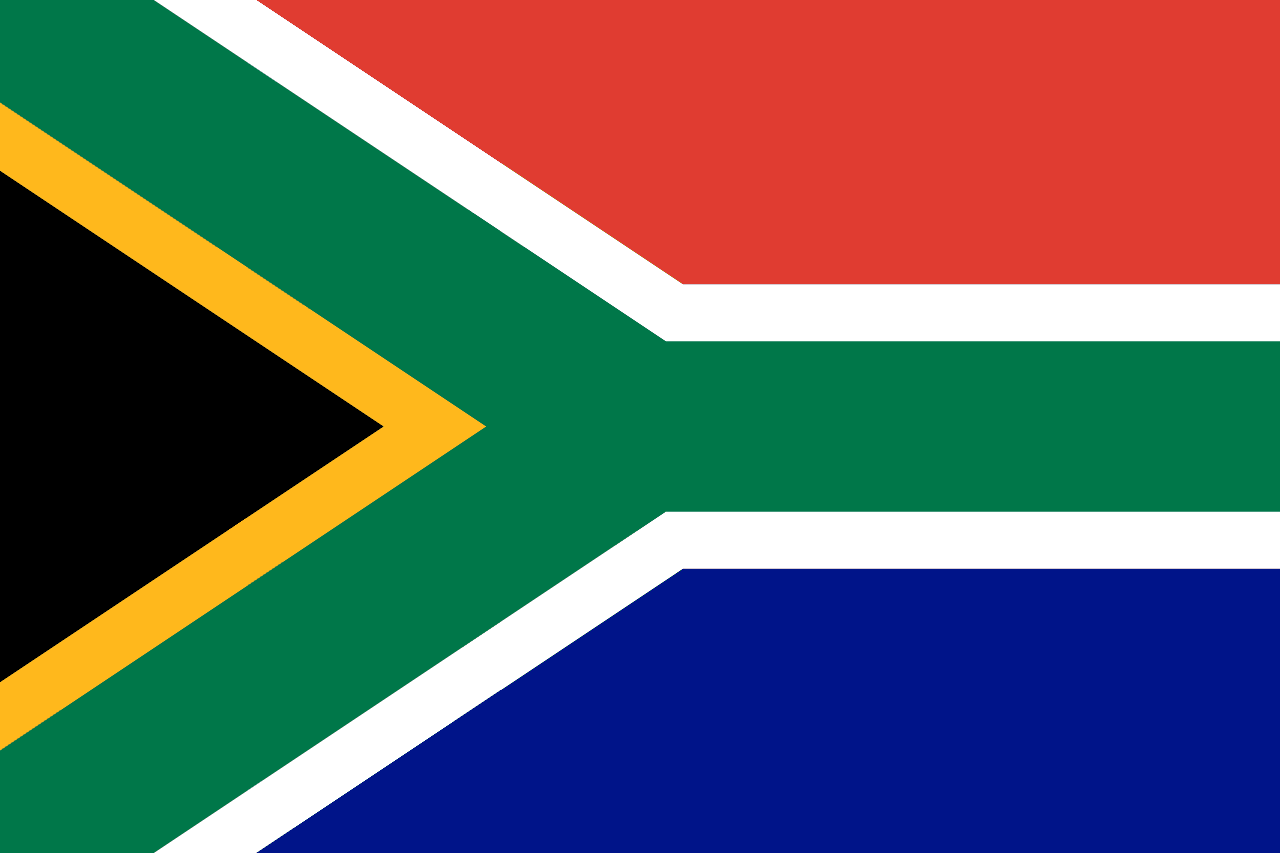
Brazilians did not walk to the ballot box in a wave of enthusiasm. They went because they were afraid. Afraid of what the other side would do to their institutions, their neighbourhoods, their families, and their futures. Lula da Silva's re-election in October 2026 was built on that fear, and the analysts tracking it, including Gustavo de Carvalho of the South African Institute of International Affairs, say it was not a referendum on a government that delivered. It was a verdict on the alternative.
We should ask ourselves an uncomfortable question. When a democracy's choice is between dread and disappointment, who has failed?
Brazil has earned its anxieties. In January 2023, supporters of Jair Bolsonaro stormed the presidential palace, the National Congress, and the Supreme Federal Court in Brasília, smashing windows and desecrating the seat of the republic in an attempt to overturn an election. The Supreme Court later convicted Bolsonaro for his role in the coup plot. Those are not the actions of a movement that respects the peaceful transfer of power. They are the actions of people who decided that the ballot was acceptable only when it produced their result. Any Brazilian who remembers those images has a reason to fear what comes next, and that is precisely what makes fear such a potent political tool.
But here is what Revvmark refuses to accept. Fear is not a platform. It is a substitute for one. A government that has to campaign on "we are the lesser evil" has already admitted that it cannot campaign on "we delivered." Brazil's democracy survived January 8th because its courts, its security forces, and its civil society held firm. That is the real lesson of the institutions. The fear that followed was the price of a political class that let grievances fester for years without offering answers.
Now look at South Africa, and look closely. Thirty years after the end of apartheid, our democracy is being tested by the same forces. The African National Congress lost its parliamentary majority in 2024 for the first time since 1994, forcing it into a government of national unity. Millions of South Africans rejected a party that had governed them for three decades, and they did so because the lights went out for hours at a time, because roads crumbled, because unemployment hovers above 30 percent, and because young people with degrees still cannot find work. Those are the conditions in which fear thrives.
And fear has already found its targets in South Africa. Anti-migrant groups such as Operation Dudula have mobilised around the lie that foreigners are to blame for our unemployment and our broken clinics. Populist parties on the left and right have learned that the fastest route to a crowd is a scapegoat. Foreign African nationals, many of them fleeing their own collapsing states, have been harassed, looted, and in some cases killed. We have seen this before, in 2008 and again in 2019, and each time the politicians who fanned the flames claimed to be speaking for the people. They were speaking for their own ambitions.
Let us be precise about the danger. A democracy does not die in one dramatic night. It dies when a majority of citizens decide that the rules no longer protect them, and that a strongman, a movement, or a demagogue is the only shield left. Brazil avoided that outcome this time. South Africa is not yet at that edge, but we are closer than our leaders like to admit. Every time a politician tells us that the courts are the enemy, that the press is a traitor, or that a minority is the cause of our suffering, the foundations of our democracy shift a little further.
Some will argue that Africa is too poor, too divided, or too young for the liberal democratic model. That argument is a lie, and we have the evidence to prove it. Botswana has held regular, competitive elections since independence in 1966, built one of the most respected public institutions on the continent, and used its diamond wealth to fund schools and clinics instead of the pockets of a ruling clique. Mauritius has moved from sugar plantation to diversified economy by protecting property rights, opening its markets, and keeping its courts independent. Senegal has twice shown the continent that an incumbent can lose a fair election and hand over power peacefully, most recently in 2024, when voters rejected a ruling party that had tried to manipulate the calendar. These are not perfect nations. They are proof that accountable government is not a Western luxury. It is an African achievement, and we should claim it loudly.
So what must happen? First, South Africa's government of national unity must prove it can deliver. Electricity reform must move from press conferences to power stations. The Transnet rail network, which has cost the economy billions in lost exports, must be opened to private operators and held to performance targets. Property rights must be strengthened so that entrepreneurs can borrow against their land and build businesses without bribing officials. A strong economy is the most effective vaccine against the politics of fear, and it is the one thing no populist can fake.
Second, the institutions must be defended without apology. The Constitutional Court, the Independent Electoral Commission, the Public Protector, and the press must be protected from political interference and funded to do their work. Every attack on a judge who rules against the government is an attack on every citizen who depends on the law. Civil society groups, business associations, and faith communities should speak with one voice when hate is organised against foreign nationals. Silence in the face of xenophobia is complicity.
Third, citizens must demand more than fear and slogans. Ask every candidate three questions. What will you do about electricity? What will you do about jobs? And what will you do to protect the rights of the person who disagrees with you? A politician who cannot answer all three is not fit to hold office.
Brazil has shown us what fear buys. It buys a few more years for a leader who is trusted only as the lesser evil. It does not buy a generation of children who can read, a hospital that treats its patients, or a court that cannot be bullied. South Africa has the chance to choose a different path, and so does every African nation watching this election with dread. We do not have to accept the choice between fear and despair.
So here is our demand. To our leaders: govern so well that fear has nothing to sell. To our institutions: hold the line, every single day, against anyone who would trade the constitution for power. To our citizens: vote for hope backed by a plan, and refuse to be terrified into voting against your own future. The politics of dread has been tried, and it has failed our neighbours. We will not let it become our inheritance.
Based on reporting by SAIIA