drc-conflict
DR Congo: COI Query Response - DRC: Situation of women without a support network in Kinshasa and South Kivu
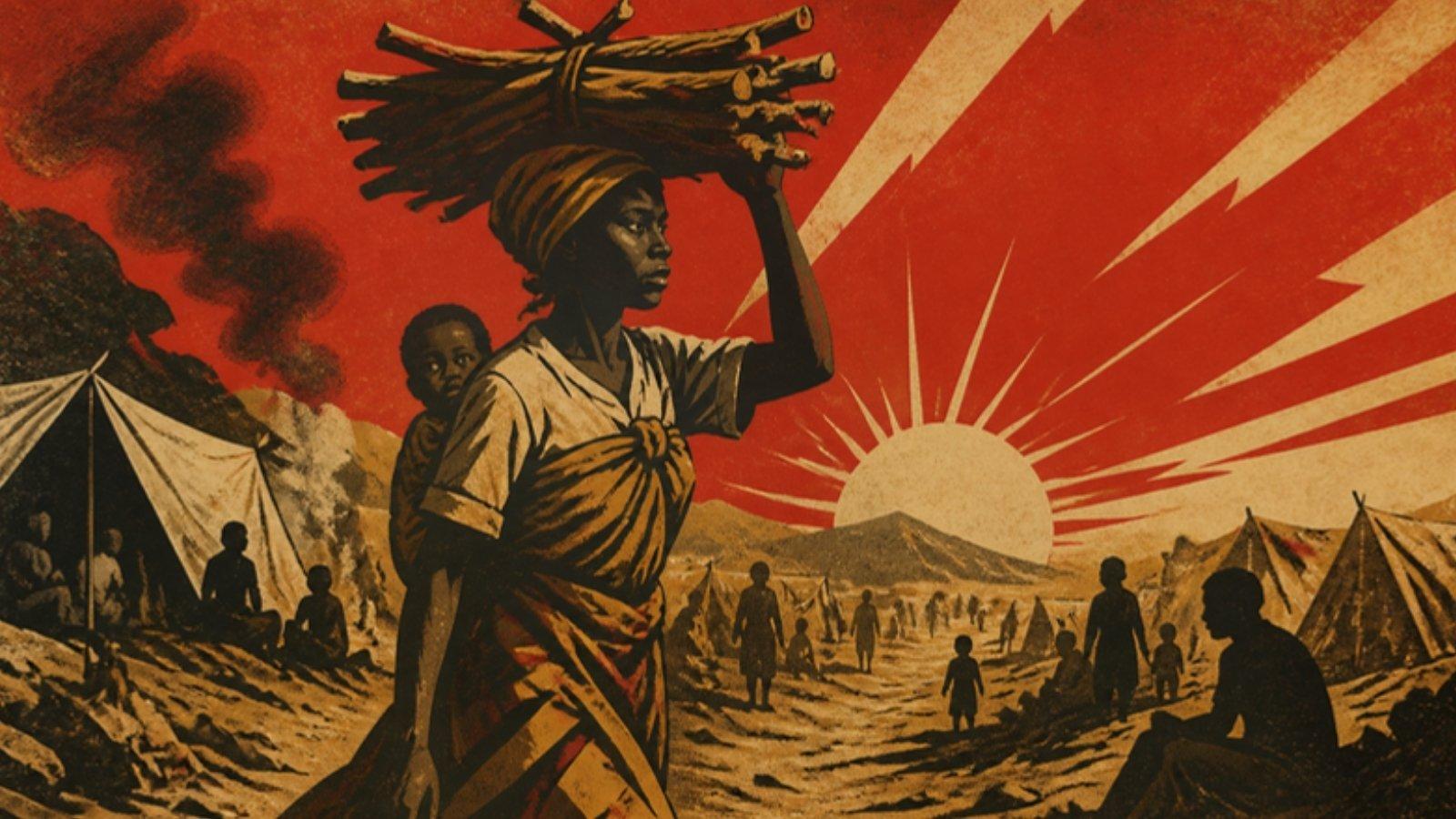
Throughout 2025, the security, humanitarian and human rights situation in eastern Democratic Republic of the Congo continued to deteriorate. Escalating violence involving the Allied Democratic Forces (ADF), an armed group linked to the Islamic State, and renewed confrontations between the Rwandan-backed M23 movement and government forces had a severe impact on the civilian population. 1 The provinces of North Kivu, South Kivu and Ituri were particularly affected, with the conflict resulting in increasing civilian casualties and largescale displacement. Human Rights Watch (HRW) also reported numerous abuses by armed groups, including conflict-related sexual violence.2 According to UN women, women and girls were ‘disproportionately’ affected.3 In June 2026, Médecins Sans Frontières (MSF) reported Ebola cases in South Kivu and noted challenges related to surveillance and testing. According to MSF, communities in the province have long faced ‘chronic gaps in healthcare and a limited humanitarian response’, which have hindered efforts to control the outbreak.4 This query is an update of two previously published EUAA queries: Situation of women without a support network in South Kivu, published on 2 September 2024, and Situation of women without a support network in Kinshasa, published on 25 August 2023. Additionally, information on gender-based violence against women in the DRC can be found in the EUAA query, Sexual and gender-based violence (SGBV) against women, published in June 2025. Information on the situation of women who have children out of wedlock can be found in the EUAA query, Situation of women who have children out of wedlock, including legal framework, treatment by society, and access to support services, published in February 2024.
Based on reporting by RELIEFWEB