think-tank
BRICS Is Selling Africa a De-Dollarized Future Run by Autocrats
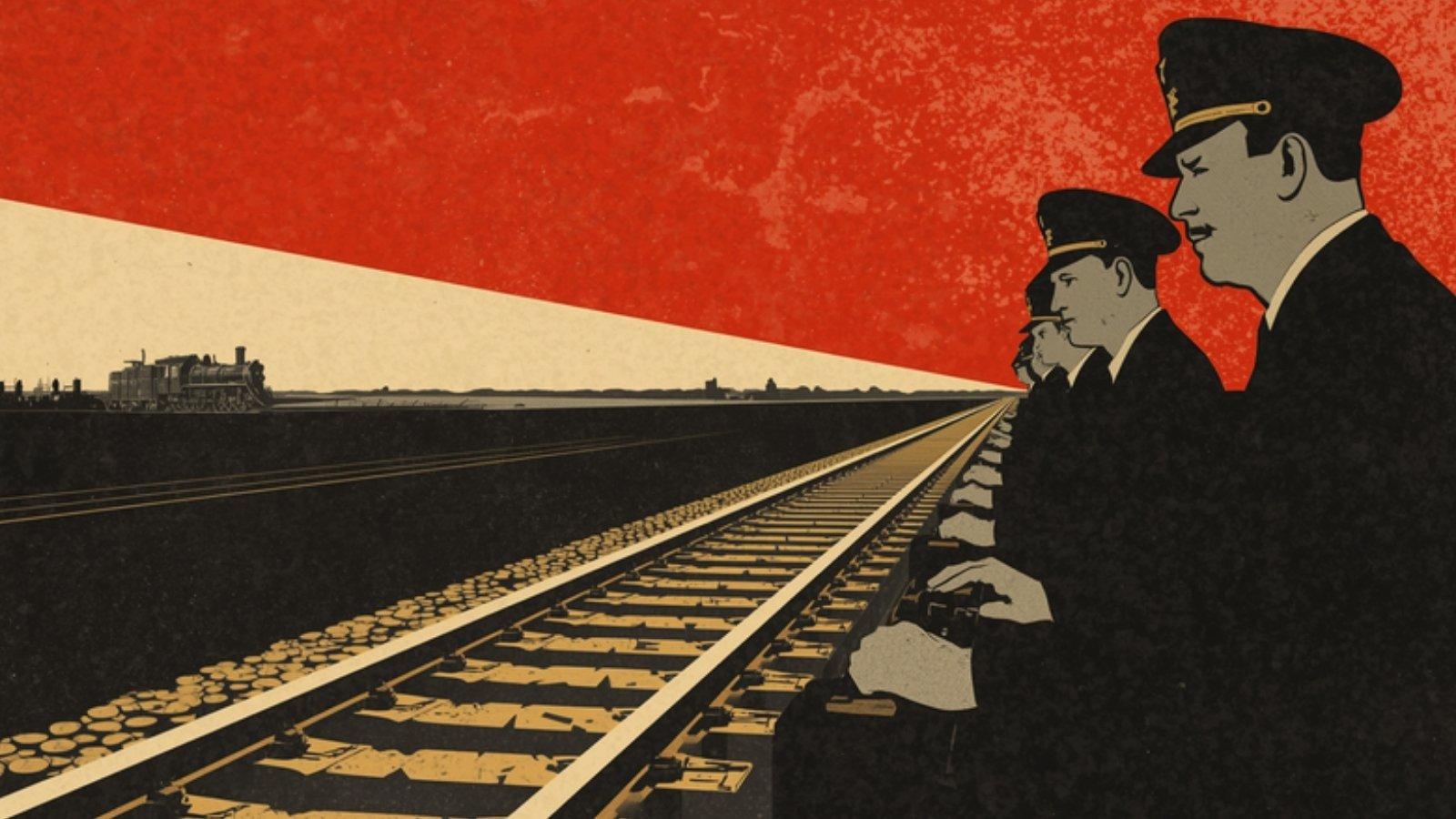
Every day, African traders lose money to a system they never designed. A Nigerian importer pays a Chinese supplier through three correspondent banks in three foreign capitals. A Kenyan exporter waits weeks for funds that should have cleared in hours. A Ghanaian mother sends remittances home from London and watches a chunk of it vanish into fees. Somewhere in that chain, the African is always the last to be consulted and the first to be charged.
So when BRICS promises to make cross-border trade faster, cheaper and less dependent on external payment systems, we should lean in. We should also ask who is holding the new keys.
The case for reform is strong, and we should state it plainly. The US dollar still anchors the bulk of global reserves and trade invoicing, and the IMF's currency reserve data has shown the greenback accounting for somewhere in the mid-50 percent range of allocated reserves in recent years. That concentration gives Washington enormous power to freeze accounts, cut off correspondent banking relationships and punish governments through sanctions that land on ordinary people. African banks have experienced this as de-risking: Western lenders withdrawing from smaller African economies because compliance costs exceed the profit. Millions of Africans are locked out of the global financial system not because they are reckless, but because the gatekeepers find them too expensive to serve.
Africa has also been paying a premium for its own disconnection. Intra-African trade remains at roughly 15 percent of the continent's total trade, a shameful figure for a continent of more than 1.4 billion people. Most of our trade still runs through European and Asian ports and foreign invoicing. When an Ethiopian manufacturer wants to buy from a Senegalese supplier, the transaction often detours through a third country's banking system. That is not sovereignty. That is a toll road built on our own land.
Now look at who is driving the BRICS agenda. China, Russia, Iran, Egypt, Ethiopia, the UAE and others have all pushed in various ways for alternatives to dollar settlement and Western financial messaging networks. Russia, under sanctions for its invasion of Ukraine, has particular motives for building systems that dodge SWIFT. Iran has the same motives for the same reasons. Beijing has its own interest in renminbi settlement and in tying African economies more tightly to its financial architecture. These are not disinterested reformers. They are powers seeking leverage, and some of them have a long record of using economic dependence as a weapon.
Consider China. Beijing has lent to African governments on terms that many borrowers did not fully understand, and it has held collateral, including ports, mines and revenue streams, when repayment faltered. Zambia's debt restructuring, which dragged on for years, exposed how opaque bilateral lending can tie a nation's hands. Consider Russia, whose Wagner Group has propped up juntas in Mali, Burkina Faso, and the Central African Republic in exchange for mining concessions and political protection. Those juntas did not win elections. They took power by force and then sold the resources of their people to pay for the guns that keep them in office. A payment system that makes it easier to settle those deals is not liberation. It is a new supply line for the same extraction.
Then there is the question no BRICS communiqué answers: what happens to the citizen? A currency network controlled by governments that jail journalists and rig elections does not automatically protect the Nigerian trader or the Kenyan farmer. Faster payments that flow through opaque state-linked banks can just as easily move stolen public money faster. We have seen how African kleptocrats love offshore accounts. The last thing we need is a cheaper, more efficient highway for looted funds.
Here is the uncomfortable truth. Africa does not need a new master. It needs its own rules. Africa has already started building them. The Pan-African Payment and Settlement System, known as PAPSS, was launched under Afreximbank with the backing of African central banks, enabling transactions in local currencies across participating member states. The African Continental Free Trade Area, in force since 2021, created a framework for a single market that could slash the need for third-country routing. These are African institutions, governed by African central banks, accountable to African parliaments and African courts. They are imperfect, and they need funding, technology and political will. But they are the right foundation.
Compare that with what the most successful African economies have done. Mauritius built a credible financial centre on rule of law, transparent regulation and an independent judiciary. Botswana has managed its diamond wealth with fiscal discipline and strong institutions for decades, earning a reputation that attracts investment on merit rather than coercion. Those are the building blocks: property rights, contract enforcement, central bank independence, audited public finances and courts that do not bend to presidents. Any payment network worth joining must be built on those foundations, or it will simply become a new vehicle for old abuses.
So here is what we demand. African central banks should accelerate PAPSS adoption with a binding timetable and independent audits, not press releases. Parliaments must demand full disclosure of any agreement touching BRICS payment rails, including who controls settlement data, who can freeze accounts and which courts have jurisdiction. The African Union should insist that any monetary cooperation with non-African powers be conditional on transparency, debt sustainability and the protection of commercial users. And civil society, the private sector and independent journalists must treat this as their business, because the cost of a bad deal lands on the market stall and the small exporter, not on the summit delegate.
We are not anti-West, anti-China or anti-Russia. We are pro-Africa, and pro-democracy, and we refuse to swap one set of masters for another. The dollar system has been used to punish us. BRICS offers a chance to build something better, but only if we insist that the something better is accountable to the people who pay the fees, carry the risk and live with the consequences.
Who will decide the terms of Africa's trade for the next fifty years? If we do not answer that question loudly, the answer will be written for us in someone else's capital. Demand transparency from your central bank. Demand independent oversight from your parliament. Demand that your government choose African infrastructure over foreign shortcuts. The rules of global trade are being rewritten right now. Africa had better be holding the pen.
Based on reporting by SAIIA