think-tank
Egypt Sits on Limitless Sunlight While Its People Sit in the Dark
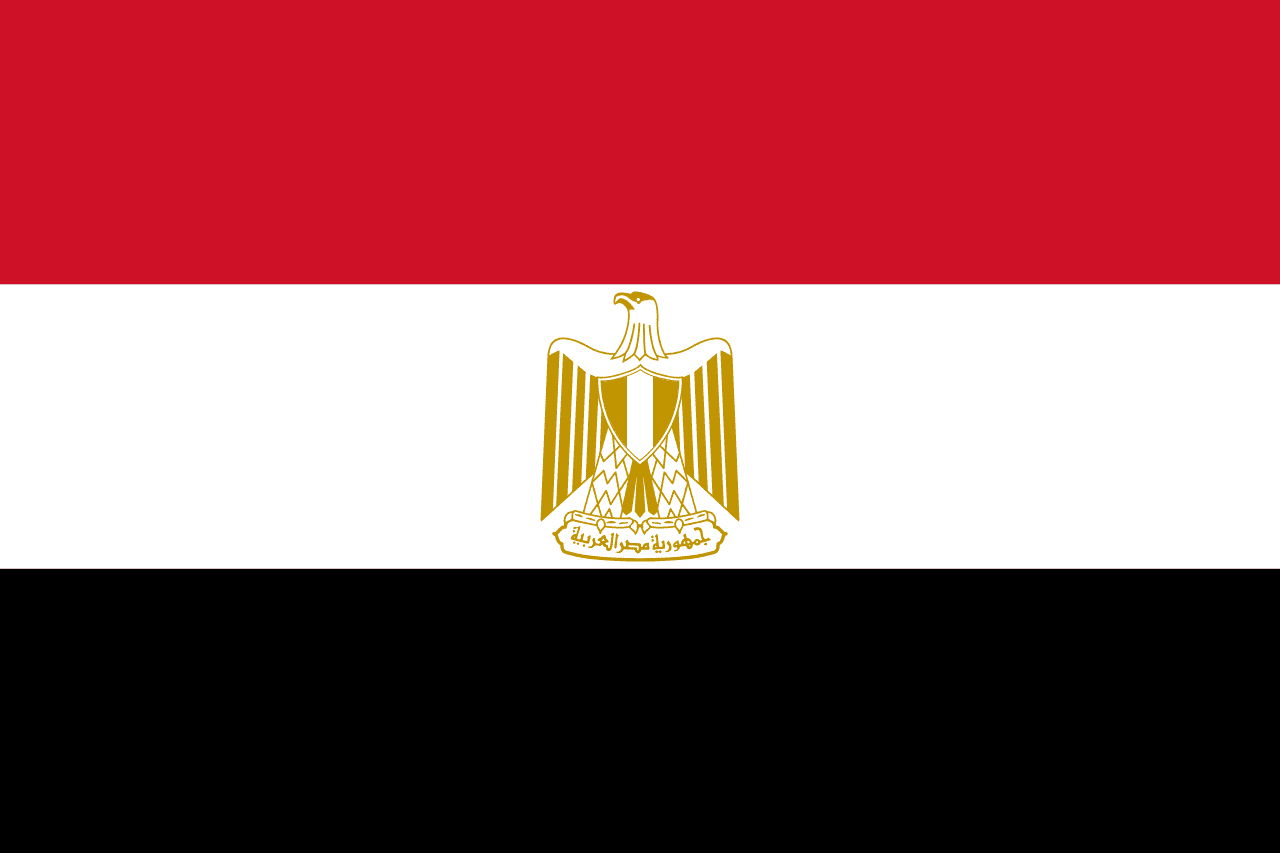
Egypt has more sunlight than almost any nation on earth, and its people still wait in the dark. Families in Cairo, Giza and the Delta have lived through rolling power cuts that arrive without warning, stopping fans in July heat, freezing factory lines, and turning ordinary evenings into anxiety. A country that can bathe its deserts in power is failing to keep its own homes lit. How does that happen? The answer is not geography. It is policy, and policy can change.
Consider what Egypt already possesses. The Benban solar park in Aswan, built largely by private developers, is among the largest solar complexes in the world, and it was built in a fraction of the time that a conventional power station would demand. The Gulf of Suez, with its steady winds, hosts major wind farms at Zafarana and Ras Ghareb, and newer projects are adding more. Egypt's government has set a target of around 42 percent renewable electricity within the coming decade, a goal that is ambitious but not fantasy. Egypt has proven it can build clean energy at scale. What it has not proven is that it can manage the system around that energy consistently.
That gap is where the damage lives. For years Egypt relied heavily on natural gas for electricity and industry, and when domestic gas output fell behind demand, the country turned to imported liquefied natural gas on expensive spot markets. Every shortfall meant a bill the Egyptian treasury had to cover, and every bill meant less money for hospitals, schools and the grid itself. Fuel subsidies, designed to shield the poor, ended up absorbing public money that flowed disproportionately to wealthier households and heavy consumers. The state has been pulling back on those subsidies under IMF-backed reform programmes, and the price of that adjustment has been borne first by the people least able to carry it.
Then there is the question of who controls the transition. Global solar panel manufacturing is dominated by Chinese suppliers, and much of Egypt's renewable buildout depends on foreign developers, Gulf and European financiers, and Chinese equipment. None of that is inherently sinister. Foreign capital can be a gift. But when contracts are opaque, when tenders are awarded through closed doors, and when developers complain of delayed payments from the state utility, the country ends up with clean energy it does not fully own and cannot fully steer. Sovereignty is not only about flags and borders. It is about who sets the price of your electricity twenty years from now.
Egypt's governance problem is the real obstacle. Renewable projects require predictable rules, independent regulators, transparent procurement and a utility that pays its bills on time. Investors do not walk away from solar because the sun sets. They walk away because contracts are renegotiated after the ribbon is cut, or because state companies sit on arrears for months. A government serious about green industrialisation would publish every power purchase agreement, empower an independent electricity regulator with real enforcement powers, and guarantee payment through escrow mechanisms that cannot be raided when budgets tighten. Those are not radical demands. They are the basic building blocks of any functioning market economy.
Africa has already shown what works. Morocco built the Noor Ouarzazate complex through a competitive, tender-driven model that drove down prices and attracted serious investors, while pairing renewables with a clear national energy strategy. Mauritius has used policy consistency and private participation to diversify its energy mix away from imported fuel. Kenya's geothermal expansion, built through a mix of public planning and private operators, shows that Africa's power can be homegrown when institutions are credible. Egypt has the sun, the wind, the engineers and the capital markets. What it needs is the discipline to make the rules stick.
So here is the demand. Egypt's parliament must legislate binding timelines for renewable procurement and make them legally enforceable rather than aspirational. The Egyptian Electricity Holding Company and its affiliates must publish payment records for independent producers every quarter, and the finance ministry must ring-fence those payments. Subsidy reform must be paired with direct, transparent cash support for low-income households so that the poor are protected while the wealthy stop draining the public purse. Civil society, business associations and independent media should audit these promises publicly, because sunlight that no one can see is worthless to a mother trying to cook dinner in the dark.
Egypt's people have endured inflation, currency shocks and the constant strain of trying to make ends meet. They deserve a government that treats clean, affordable, reliable electricity as a right, not a favour from donors or a slogan for international conferences. The sun over Aswan does not belong to a ministry or a foreign contractor. It belongs to the families who should be watching television tonight, not waiting for the lights to come back on. Egypt can lead Africa's green transition, but only if its leaders stop treating the future as something to announce and start treating it as something to build, contract by contract, payment by payment, and law by law.
Based on reporting by SAIIA