think-tank
Brazil and South Africa Promised Equality and Kept the Inequality
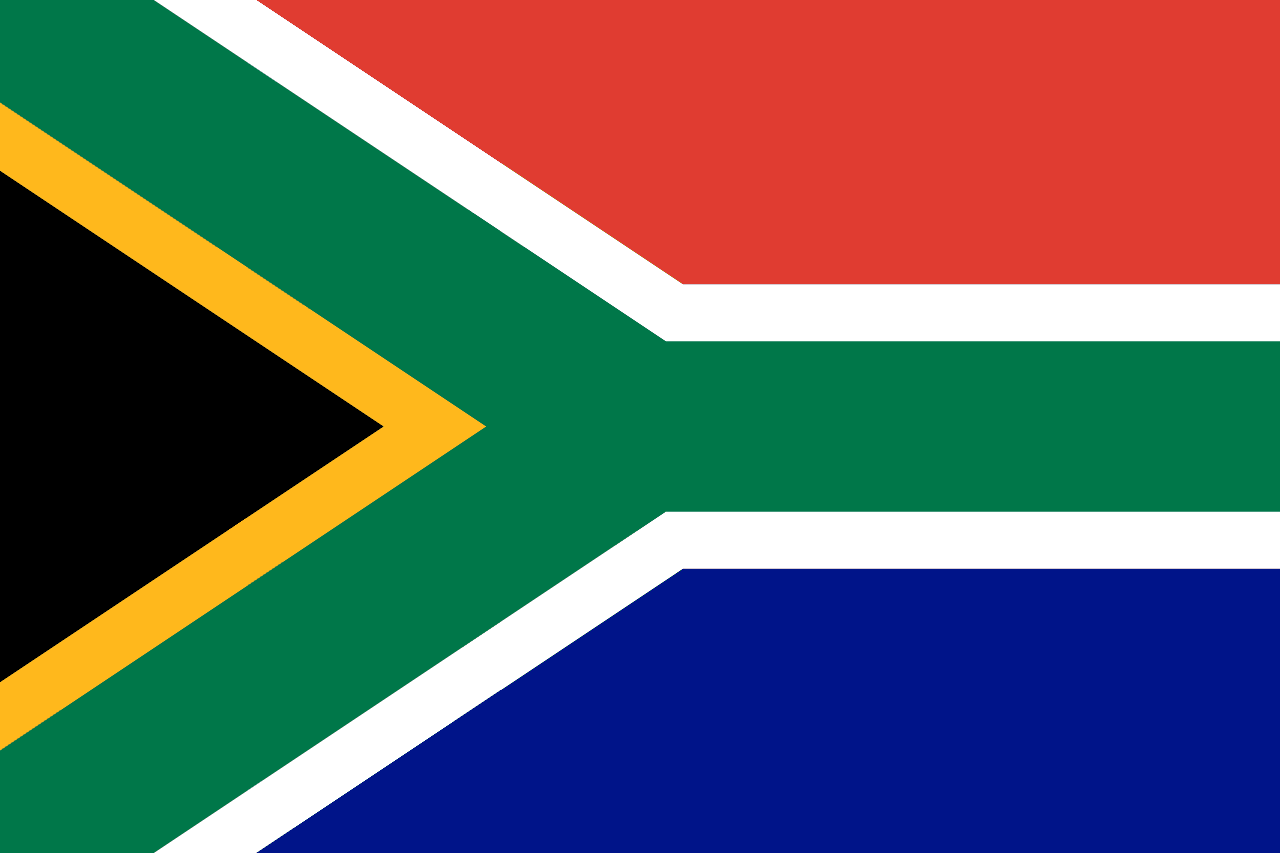
Brazil and South Africa have spent three decades telling their poor that the state would finally work for them. Brazil's left built a welfare machine that pulled tens of millions out of poverty. South Africa's liberation movement inherited a country carved up by apartheid and promised to close that gap within a generation. Thirty years later, both countries rank among the most unequal societies on earth. Their Gini coefficients sit in the same brutal range, and the gap between the boardroom and the township or favela has barely moved.
So ask yourself the question nobody in power wants asked. If a movement wins the votes of the poor for decades and the poor are still poor, who is it really serving?
The evidence is not subtle. South Africa's Gini coefficient has hovered around 0.63 for years, which the World Bank counts among the highest in the world. Its official unemployment rate has stayed above 30 percent, and when discouraged job-seekers are counted, a broader measure that matters to anyone who has queued for a job that never came, the figure climbs higher still. Youth unemployment in South Africa runs at roughly twice the national rate. Those numbers are not statistics. They are young people who finished school, did everything they were told, and then sat at home while their country's political class argued about who would get the next contract.
Brazil's story rhymes. The Bolsa Família program, launched under Lula's first presidency, was a genuine policy achievement. It paid poor families on condition that children stayed in school and got vaccinated, and it became a model studied across the developing world. Brazil's extreme poverty fell sharply during the 2000s. That is worth saying plainly, because the cheap move is to pretend it never happened. But Brazil's inequality remains stubbornly high, its public services in the poorest states are often a disgrace, and the rich still pay proportionally less than they should while the poor drown in regressive taxes on food and basics. Welfare cushions the fall. It does not build the ladder.
Now look at what voters in both countries are actually living through. In South Africa, the 2024 national election saw turnout fall to around 58 percent, the lowest since democracy arrived in 1994. The ANC lost its parliamentary majority for the first time in the post-apartheid era, dropping to roughly 40 percent. Those who stayed home were not apathetic. They were disillusioned. They watched water pipes rot, power cuts stretch into the rest of their lives, and municipal councils collapse into patronage networks where jobs go to loyalists and tenders go to cousins. When a voter concludes that the ballot changes nothing, the republic is already dying, whatever the official turnout figures say.
Brazil faces its own version of this erosion. Its political class has spent years grappling with corruption scandals that touched the highest offices, and the anti-corruption operation known as Lava Jato, for all its real achievements, exposed how deeply state contracts had been captured by cartels of construction firms and politicians. The lesson is not that anti-corruption is a weapon for one side. The lesson is that when courts and prosecutors are politicized, citizens stop believing in justice itself, and that belief is the foundation every democracy stands on.
Some will say this is simply what happens in young democracies, and that patience is the price of progress. We reject that. Patience is what the people of Gqeberha and Salvador have been asked to show for thirty years, and they have been patient for longer than most governments deserve. Botswana built one of the most prosperous economies on the continent by protecting property rights, maintaining transparent public finances, and keeping its diamond revenue away from the grasp of a single family. Mauritius turned a sugar-dependent island into a high-income economy through open trade, independent institutions, and a judiciary that ruled against the powerful. Senegal, in 2024, showed that citizens can force a peaceful transfer of power when incumbents try to cling on, and that the ballot box still has teeth when people refuse to be silenced. These are not fairy tales. They are proof that the choice between growth and fairness is a false one, and that good institutions deliver both.
So what must change? First, South Africa and Brazil must stop treating the state as a jobs program for the connected and start treating it as a service provider accountable to ordinary citizens. That means open municipal tenders with published bidders and scores, independent procurement oversight, and an end to the practice of appointing party loyalists to run utilities. Second, both countries need an investment climate that rewards small businesses rather than strangling them. Clear property titles, faster business registration, simpler tax compliance, and an independent commercial court are how a township bakery becomes a factory and a favela shopkeeper becomes an employer. Third, welfare must come with a pathway out. Cash transfers should be paired with vocational training, apprenticeships, and job-matching that connects graduates to private employers, because a grant that never leads to a payslip is a holding pen, not a ladder.
The responsibility does not sit only with presidents and parliaments. Civil society has to start asking the uncomfortable questions that parties hate: where did the money go, who got the contract, why is the clinic still closed. Unions, churches, student bodies and business associations should publish scorecards on every governing party's promises and grade them honestly. Regional bodies like the African Union and the Community of Portuguese-speaking countries, which share our histories of inequality and extraction, should champion transparency standards rather than hiding behind the language of sovereignty when leaders steal from their own people.
And the voter must demand more. Do not accept "history" as an answer to present failure. Do not accept a politician who says the last government was worse as a substitute for a plan. Ask for a budget you can read, a timeline you can hold them to, and a local councillor you can find on a Saturday morning. Vote for the candidate who promises less and delivers more over the one who promises everything and disappears after the victory speech.
Lula has won again, and the ANC still governs with a shrinking mandate. Neither victory is a verdict on whether equality matters. It is a warning that equality without accountability is just another slogan. The people of Brazil and South Africa have waited long enough. The question for every leader in both countries is simple: will you finally build the ladder, or will you keep selling the promise of one to people who have already climbed the same broken steps for thirty years?
Based on reporting by SAIIA