general
Four Out of Five Egyptian Women Are Uninsured and Shamed Into Silence
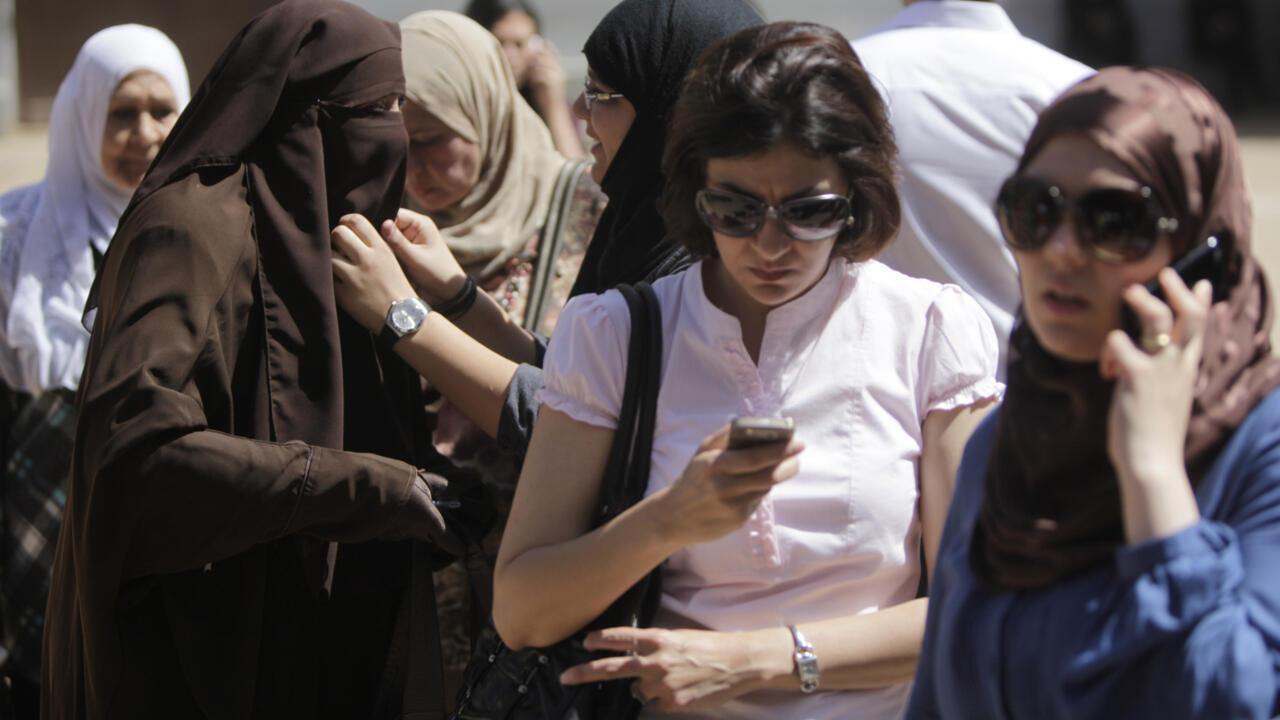
Four out of five Egyptian women have no medical insurance. Think about what that means in a body that bleeds every month, that carries children, that ages into menopause with no one to explain what is happening. Most of them will not pay to see a doctor about it. Many will not even ask a friend.
That is not a personal failing. It is the outcome of a system that makes care expensive, and a culture that makes the questions shameful. A 2019 study by the Egyptian Center for Public Opinion Research, known as Baseera, found that only 20 percent of Egyptian women are covered by health insurance. Outside emergency services and a short list of essential medicines, including childhood vaccines, nearly every health service in Egypt is paid for out of pocket. Private insurance exists, but it is priced for families that most Egyptians will never be able to afford.
So women do the arithmetic and stay home. A pain goes untreated. A question about fertility or sexual health stays buried for years. We have been taught to call this modesty. It is closer to a quiet emergency.
Into this gap has stepped a new generation of Egyptian founders building what the state has not. Their weapon is technology, and their most interesting work is not in the code. It is in the language.
Nesma Amin founded Aziza in 2023, a menstruation-focused app built for Egyptian women. Her starting observation was simple and damning: most foreign health apps speak to a narrow, English-comfortable audience, using a register that does not match how Egyptian women actually talk about their bodies. Medical information often arrives in formal Arabic, far removed from the Egyptian dialect spoken at home. Sohayla El Fakahany, a medical anthropologist who works on sexual and reproductive health, put it plainly: language and cultural nuance are not decorations. If an app sounds judgemental or clinical, women leave, no matter how accurate the medicine is.
Aziza's response is instructive. It makes its features free, refusing a subscription model because, as Amin put it, Egyptian women put their children, their schooling, and their households first, and health comes after. Its notifications are discreet. It does not assume a user is sexually active. And it trains a network of more than 75 student ambassadors, many of them medical students, who run workshops tailored to specific community needs and who learn to handle hard conversations with women, with young people, and with men. That is not a marketing trick. That is how you earn trust in a place where trust has been betrayed by silence for generations.
The physical market shows the same tension. Pads remain almost the only menstrual product most Egyptian women use. Shemsi, a Cairo company, is selling reusable period underwear, and its CEO, Hatem Elkady, is candid about the obstacles. Internal products like tampons face deep resistance, rooted in the belief that unmarried women who insert anything risk their virginity. Even married women often reject them. Chain pharmacies tend to hide tampons on the lower shelves, and the data on their use is thin, because national reproductive health studies largely track pads and pantyliners. A product that does not get counted does not get funded, and a product that does not get shelf space does not get bought.
The price gap is the cruelest part. A large pack of disposable pads costs roughly $2 in Egypt. A pair of Shemsi underwear costs about $14, which the company says can be washed up to 300 times. The maths favours the reusable option over time, but a family living on a tight budget does not get to think in years. Shemsi offers instalment plans. That is a commercial answer to a structural problem, and it is a useful one, but it should not be the only answer.
Here is what this reporting reveals. Egypt has women building solutions that are culturally fluent, privately funded, and often free at the point of use. Egypt also has a state that has spent years promising universal health coverage without delivering it to most of its citizens. The innovation is happening in the gap between a promise and its reality.
Africa has seen what happens when that gap closes. Rwanda's community-based health insurance scheme, the Mutuelle de Santé, brought millions of previously uninsured citizens into a system of pre-paid coverage through local cooperatives and government subsidies. Mauritius built a public health system that delivers high coverage with relatively modest spending. Botswana, for all its challenges, has used transparent governance and disciplined budgeting to finance health services for decades. None of these are perfect. All of them prove that when a government commits to coverage and runs its institutions honestly, women stop choosing between their health and their household budget.
So what must Egypt do? Start with enforcement. The universal health insurance framework on paper must reach the women who fall outside formal employment, including the informal workers and rural households who make up much of the uninsured population. Publish the coverage numbers every year, by governorate and by gender, so that no one can hide behind averages. Recognise femtech as a legitimate health service in regulation, which means clear data-protection rules, so that women trust that the most intimate details of their lives will not be sold to advertisers. Build tax incentives and a fast regulatory pathway for companies that stock tampons, reusable products, and affordable diagnostics in ordinary pharmacies, not only in upscale chains. Put accurate menstrual and reproductive health education into schools, taught by trained women and by men who understand what the subject means to daughters.
And protect the entrepreneurs. Free markets do not only mean cheap goods. They mean open competition, property rights for founders, and courts that enforce contracts when a company is treated unfairly. Egypt's women founders should not have to beg permission to serve their own sisters.
Now the question that matters to all of us. How long will we accept that the most basic health information on the continent is locked behind a wall of money and shame? How many more women will leave a clinic without the answer they came for, or never go at all, because the system was never designed for them?
We are not asking Egypt to copy anyone. We are asking the Egyptian state to finally keep its word. Demand that your parliamentarians publish the insurance coverage data and set a deadline for universal coverage. Demand that regulators treat femtech as health care and protect the privacy of women who use it. Support the Aziza ambassadors, the Shemsi customers, and every local pharmacist who dares to stock the products women need. Silence has been the cheapest thing in Egyptian healthcare for too long. It is time we made it the most expensive.
Based on reporting by RFI