general
France Locked King Toera's Skull in a Paris Museum
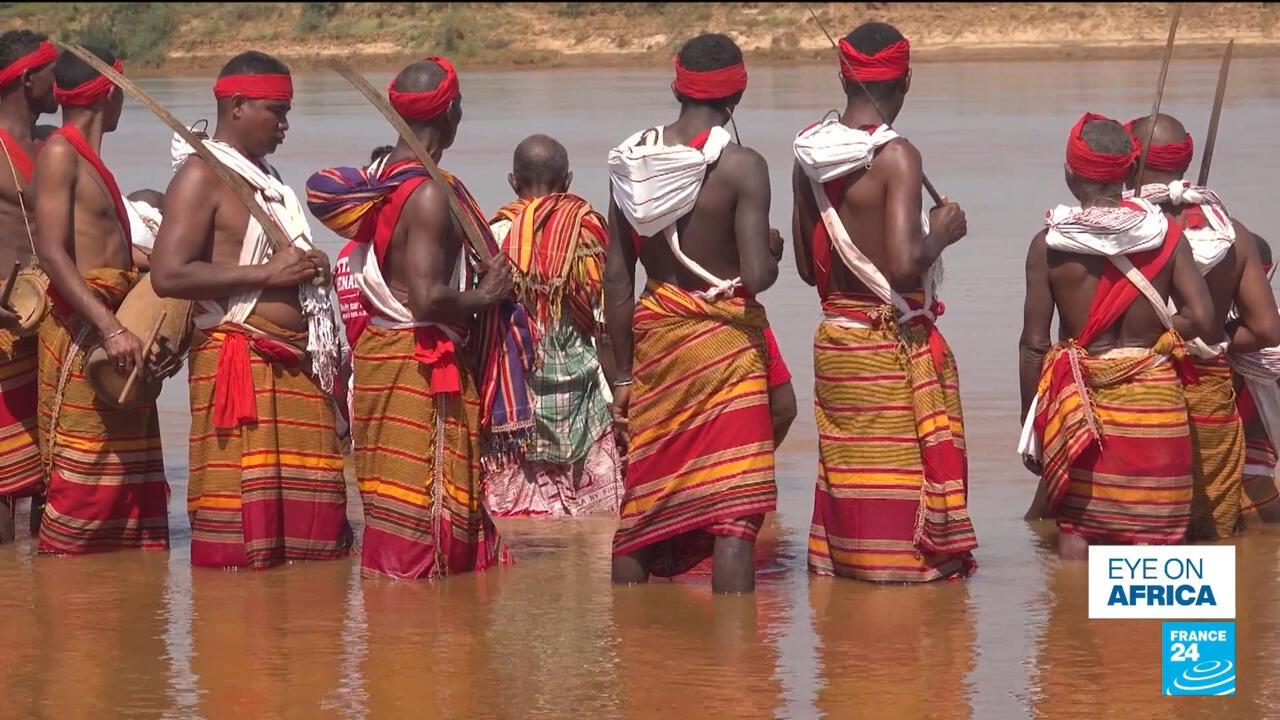
In 1897, French colonial soldiers killed King Toera of Menabe, ruler of the Sakalava kingdom, and then did something that tells you everything about the colonial mind. They cut off his head and shipped it to Paris, as if a king's skull were a trophy to be catalogued. It was placed in a museum, hidden from the people it belonged to, and left there for more than a century while his family, his kingdom, and his ancestors waited for him to come home.
Let that sink in. For 129 years, the Sakalava people could not bury their king. They could not complete the rites that tie the living to the dead. A people's most sacred bond was held hostage in a glass-and-wood cabinet thousands of kilometres away, because a European state decided that the bones of an African monarch were something to study rather than something to honour.
We are told by France's cultural ministers that this was a different era. We are told that the museums were places of learning, and that the men who collected African remains were men of their time. We have heard these excuses before, and we should reject them every time. A man who is killed by an invading army and then decapitated is not a specimen. A king whose people were conquered is not an artefact. Those who kept his skull knew exactly what they were doing, and they chose to keep it anyway.
France returned the remains last year. Eventually, under sustained pressure from Malagasy communities, scholars, and a growing movement across the continent demanding restitution, Paris agreed to send Toera home. For the first time since his death, the king took his place among his ancestors during the Sakalava people's most sacred ritual. The mourning that had been postponed for generations finally happened.
Now ask yourself why it took so long. Ask why it took more than a century of petitions, and why a museum needed diplomatic pressure before it would release a dead man's body. Ask how many other African remains are still sitting in European storerooms, labelled, numbered, and forgotten by everyone except the people who never stopped asking for them.
The colonial conquest of Madagascar was not a gentle affair. France invaded the island in 1895, and by 1897 it had overthrown the Merina monarchy, exiled Queen Ranavalona III to Algeria, and launched a campaign of pacification across the island's kingdoms. Resistance leaders were hunted down. Royal houses were dismantled. Toera's death was one violent moment in a sustained campaign to break Malagasy sovereignty, and his skull was the grim souvenir of that conquest. The museum that kept it was not a neutral archive. It was a monument to conquest, displayed as if it were science.
We want to be precise, because precision is what separates a demand for justice from a shouting match. This case is not an isolated embarrassment. It is part of a pattern in which European institutions have held onto African human remains, sacred objects, and cultural treasures long after the independence of the countries they came from. France, Germany, Britain, Belgium, and others all have holdings that their own governments have only begun to examine. The Toera case shows what happens when a former colonial power is finally pushed to act: it can be done, but only when those who are wronged refuse to stop asking.
Yet even as we celebrate this homecoming, we must confront an uncomfortable truth about our own house. Sovereignty is not only about getting bones back from Paris. It is about whether the people of Madagascar can choose their own leaders, hold them accountable, and build institutions that serve the public instead of a single man or a single clique. Madagascar gained independence in 1960, and for most of the six decades since, its citizens have watched their politics swing between elected leaders who failed them and power grabs that dressed themselves up as reform. In October 2025, after weeks of youth-led protests over water and power cuts, the army moved to remove President Andry Rajoelina and install its own leadership. Whatever one thinks of Rajoelina, the lesson is painfully clear: a nation that cannot keep its constitutional order intact will always be vulnerable to outside manipulation and inside betrayal alike.
The colonial power that stole King Toera's skull understood something that some of our own leaders have forgotten. Control of a people's memory, history, and institutions is control of their future. When an African government postpones elections, rewrites term limits, or sends soldiers to take over a state, it is doing the work that colonial administrators once did with rifles. It is handing the continent's dignity back to the people who never respected it.
So here is what must happen. First, France must complete the restitution process it has started, publish full inventories of all African human remains and sacred objects in its public collections, and return them without the endless bureaucratic delay that has defined these negotiations. Other European states must follow, and the African Union should establish a continental restitution office with the authority to track, negotiate, and enforce these claims rather than leaving each community to fight alone. Second, Malagasy institutions must be strengthened, not merely celebrated for one ceremony. An independent judiciary, a transparent budget, and a constitution that cannot be bent by whoever holds the guns are the building blocks of a state that can truly own its history.
Look at the countries that are getting this right. Botswana has built one of Africa's most stable democracies on the back of disciplined public finances, respected courts, and peaceful transfers of power, and it has used its diamond wealth to fund schools and roads rather than private fortunes. Mauritius has proved that a small island nation can attract investment, protect property rights, and maintain a functioning multiparty system that outlasts individual politicians. These are not accidents. They are the product of institutions that people trust and leaders who accept limits. Madagascar has the same potential, with vanilla, minerals, a young population, and a cultural heritage the world is only now learning to respect.
Civil society in Madagascar has been doing the hard work of keeping the flame alive, from the activists who pushed for restitution to the young people who took to the streets demanding a government that delivers water and electricity. The private sector, too, has a role to play. Investors who want to build in Africa should demand transparent contracts, enforceable property rights, and courts that do not take bribes. Every mining licence signed in secret and every road built with an opaque loan is a small betrayal of the people who will live with the debt for decades.
And citizens, you have the power that no museum curator can take away. Demand that your leaders publish their budgets. Demand that your parliaments investigate how public money is spent. Demand that your governments seek the return of every stolen sacred object and every human remain. Demand elections that are free, courts that are fair, and militaries that stay in barracks.
King Toera waited 129 years to rest. His people waited just as long to see him honoured. We will not let the next generation wait for their own dignity. Bring the remains home. Build the institutions that protect them. Hold every leader, foreign or African, to the standard we would never accept for ourselves. That is how we honour the dead, and that is how we free the living.
Based on reporting by FRANCE24