acss-digest
Kigali Is Waging a War of Aggression Against Congo, and the UN Knows It
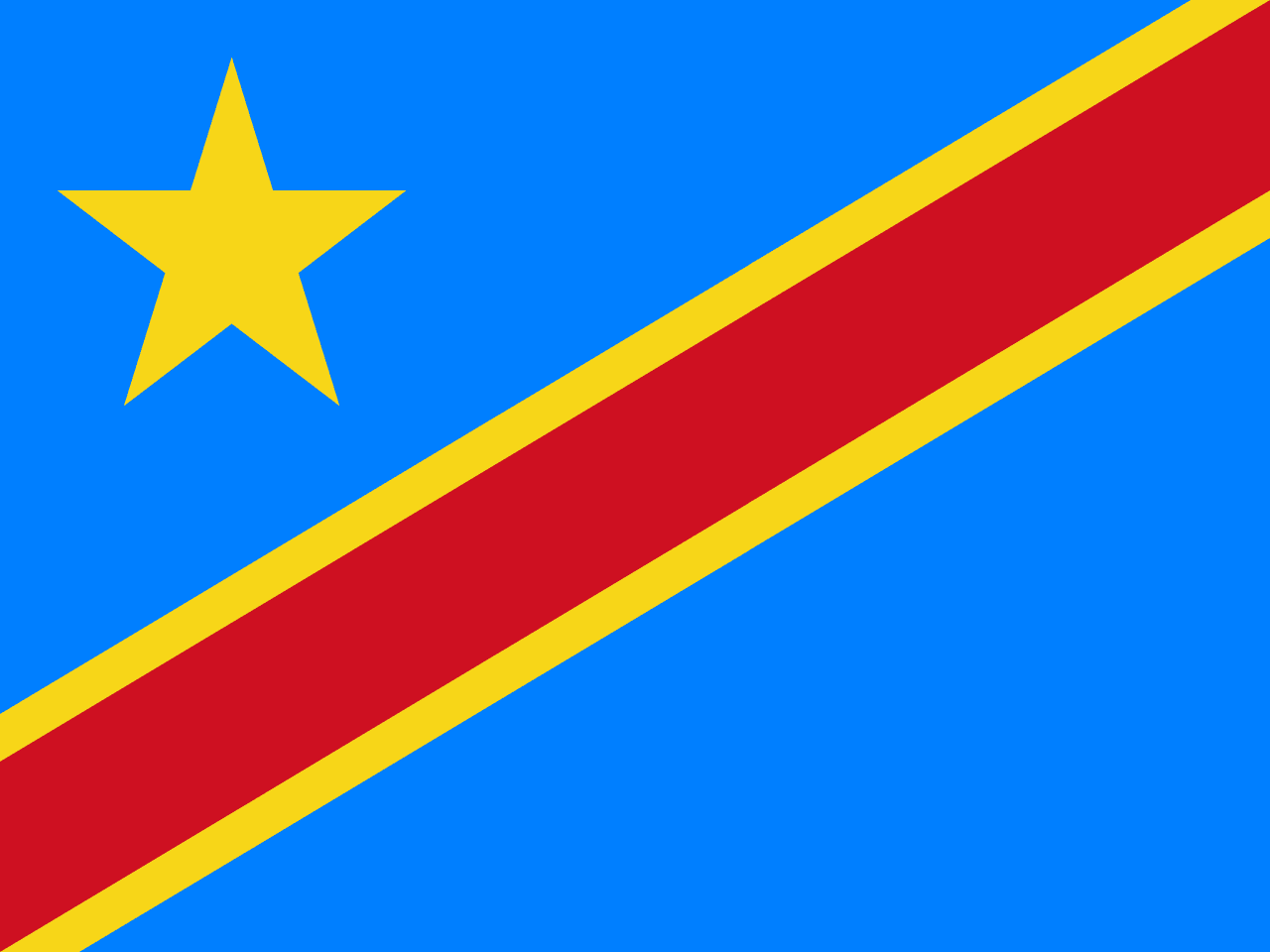
Three hundred and twenty-three thousand people. That is the number of Congolese who were forced to abandon their homes in just four days, in the territories of Kalehe and Kabare in South Kivu. Mothers carried their children for kilometers. Elderly people walked barefoot. Whole families left behind their fields, their cattle, and the graves of their parents. While these families flee, another list is growing in New York. The United Nations Security Council has just added the Front for the Refoundation of the Nation, the FRN, to the sanctions list of the Congo River Alliance, the AFC. For the states tasked with enforcing sanctions, the two names refer to the same entity. Asset freezes. Arms embargo. That is what the UN officially recognizes.
We must be clear about what is really happening. This is not a rebellion that rose out of the Congolese bush in anger at Kinshasa. It is a war of aggression, waged by the Rwandan army, the Rwanda Defence Force, the RDF, with M23 serving as its proxy force and smokescreen. The pattern is familiar, because we have already seen it in Eastern Europe. When Moscow sent its regular units into the Donbas under the cover of local separatists, the world called it an invasion. It must use the same word for Kigali. The principle does not change because the victim is African.
The reports of the UN Group of Experts on the DRC, notably documents S/2025/446 and S/2026/466, describe a massive RDF presence on Congolese soil. The most credible estimates put the number of Rwandan soldiers at 14,000 to 18,000, close to half of the Rwandan army. These are not advisers. They are combat units, with artillery, drones, and integrated command. TB2 drones take off from the base at Kamembe, in Rwanda, and strike Congolese positions. Israeli-made GPS-guided mortars rain down on villages. M23, for its part, supplies the cannon fodder and the political facade. A rebellion that grew from 3,000 to more than 30,000 fighters in a few years did not swell out of popular enthusiasm. It swelled through coercion. Thousands of civilians and prisoners were conscripted by force, put into uniform, and sent to the front. This is slavery dressed in camouflage.
And Kigali hides its dead. Satellite images analyzed by independent researchers show more than 1,171 new graves at the Kanombe military cemetery in Kigali since 2021. A state that denies fighting abroad has no need to bury its soldiers in silence. Rwanda does it anyway, because every coffin is proof. Meanwhile, this same country hosts international summits, sells its image of cleanliness and tourism, and promotes the mountain gorillas as a moral showcase. It is hard to imagine a more obscene hypocrisy: the Rwandan postcard is printed with Congolese blood.
This conflict is not an accident of history. It belongs to a logic of extraction that goes back to the massacres of the 1990s and the wars of the two Congos. The coltan, gold, cassiterite, and cobalt of eastern Congo power phones, electric cars, and the profits of networks that cross borders. We know who buys, who transports, and who launders. We also know that in this new scramble for Africa, foreign powers are jostling for position: a West that preaches democracy while looking away from its allies, China securing its raw materials, the Emirates and Turkey selling drones and influence, Russia seeking military footholds. Each speaks of investment or partnership. For the displaced of Kivu, it always looks like the same thing: decisions made in Kigali, Kampala, Abu Dhabi, or Washington, and a people who pay the price.
For too long, the international community has treated this conflict as a complex tragedy with no identifiable culprit. That is a convenient fiction. UN sanctions against Corneille Nangaa, coordinator of the AFC, and against Sultani Makenga, M23's military chief, have been in place since July 14. Joseph Kabila has been under US sanctions since April 30. These are not weak signals. They are late signals. Now we must aim higher. Targeted sanctions must hit the senior RDF officers involved in command in Congo, their financial networks, and the companies that facilitate the transit of looted minerals. An embargo that targets only the puppets while sparing the puppeteers is nothing but diplomatic theater.
There is, however, another path, and Africa knows it. Botswana built its prosperity on strong institutions, transparent management of its diamonds, and real political alternation. Mauritius built an open economy grounded in the rule of law and the protection of property. Senegal proved in 2024 that an electoral transition could hold even under heavy pressure, when citizens defended their ballots. These countries are not perfect, but they demonstrate a simple truth: African sovereignty is built through independent courts, verifiable public contracts, and armies that protect their people instead of plundering them. Congo can be that country. It has the resources, the young population, and the diaspora. What it lacks is the political will to banish the warlords, and the backing of an international community that no longer tolerates the violation of borders.
Concretely, the African Union must stop talking about "inclusive dialogue" when a foreign army occupies a member state. The AU Peace and Security Council must name and condemn the Rwandan aggression, demand the withdrawal of RDF troops, and suspend all political support for structures that govern through terror. The UN Security Council must strengthen the mandate for monitoring mineral flows and impose real traceability, from mine to trading post, with independent audits published without censorship. Companies that buy coltan and gold from eastern Congo must apply due diligence, or risk losing access to markets. The African private sector, for its part, has every interest in an economy founded on property rights and competition, not on armed predation.
And what should citizens demand? That their governments vote against impunity. That parliaments hold their ministers accountable for every agreement signed with Kigali. That Congolese and Rwandan journalists can investigate without ending up in prison. That the displaced of South Kivu be registered, protected, and fed, and that the crimes documented by the UN be referred to a court capable of judging them. We are not asking for charity. We are demanding justice.
So here is the question that should haunt every African capital and every office in New York: how many more coffins must be counted at Kanombe, how many more families must flee Kalehe and Kabare, before the word "aggression" becomes a decision rather than a commentary? Congo does not need another communiqué of regret. It needs sanctions with teeth, a Rwandan army compelled to go home, and leaders held to account for their crimes. We Africans must refuse to let the sovereignty of our continent be negotiated over the heads of those who suffer. Demand an end to the war, an end to impunity, and an end to this charade in which a country sells itself as a model while occupying its neighbor.
Based on reporting by ACSS-EMAIL