general
The Atlantic Smeared a Zimbabwean Writer Over an AI Tool
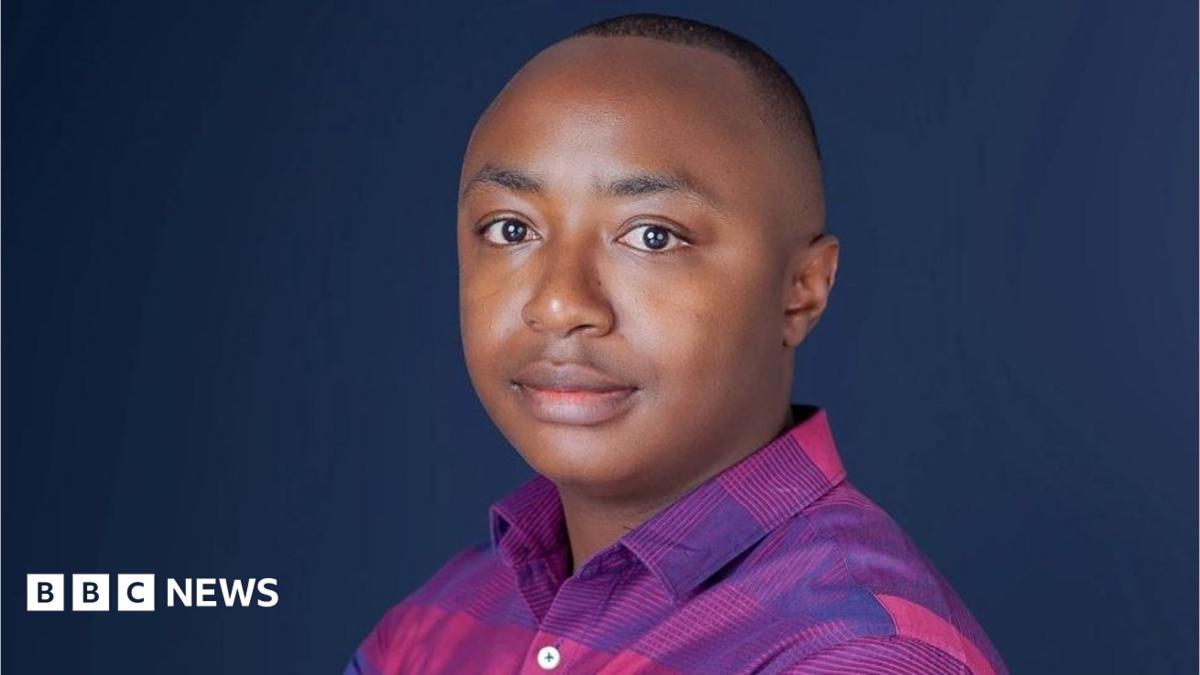
A software score nearly stripped a Zimbabwean writer of his name, his prize and his dignity. Investigators found no evidence he used AI, but the accusation spread first.
Simbarashe Kundizeza lives in Harare. He won the Caine Prize for African Writing, worth £10,000 (about $13,000), for a story called *The Blue Fighter*. It is about a boy whose family falls on hard times, and it draws on the author's own memories of Zimbabwe's economic collapse around 2002. Then an American magazine told the world that a machine had written it. Think about what that means for a man who spent years learning his craft and then saw his life's work branded a fraud by a detection tool. Ask yourself how you would sleep that night.
We should be clear about what happened. The Atlantic published an article by journalist Vauhini Vara under the headline *Yet Another Literary Prizewinner Seems to Be AI*. It relied on Pangram, a commercial AI-detection product, which Vara said rated Kundizeza's story as entirely machine-generated. Pangram is software. It produces probabilities, not verdicts. Yet on the strength of its output, the accusation went viral across social media, and the writer was forced to deny it publicly while thousands of strangers decided his guilt.
The Caine Prize did what institutions are supposed to do. Its board chair, Ellah Wakatama, announced that after an internal review the evidence was "clear": *The Blue Fighter* was human-written. The review interviewed the author, the 2026 judging panel and the Shallow Tales Review, the outlet that first published the story. It also commissioned metadata analysis of the author's drafts from an independent cyber security and digital forensic investigator. That is due process. That is what a prize with a reputation to protect looks like. Notice what it was not. It was not a viral thread, a cable segment or a tweet.
Kundizeza's account of how he wrote the story is the kind of detail no machine can invent. He said he was moved by a poem read at an event in Ghana, in which South African poet Vangile Gantsho described her father's obsession with building fish tanks. He wove that image together with his own family's struggles. Real writers carry real grief into their work. Algorithms do not remember their fathers.
The Atlantic article did not stand alone. It arrived in a season of similar rows. The Commonwealth Short Story Prize was won by Trinidadian writer Jamir Nazir despite allegations that he had used AI. France's Goncourt, one of the most prestigious literary awards in the world, saw Canadian-Haitian author Thélyson Orélien withdraw over claims that he used AI for his first novel, which he denies. Each of these episodes has the same architecture: a detector score, a headline, a pile-on and a reputation damaged before anyone has checked the facts.
Here is the question that should keep editors awake. Vara told the BBC that every previous Caine Prize winning story she had run through Pangram came out "100% human." So the tool did not expose a pattern across African literature. It produced a clean record for past winners and a red flag for this one. Why this writer, and why now? African writers and commentators noticed the same thing. They argued that accusations of AI use are being aimed disproportionately at non-white writers. We cannot prove intent from the outside. We can insist that the burden of proof is never allowed to slide onto the accused, and that when a story about African poverty and resilience is treated as suspicious by default, something ugly is at work.
We have seen this before. Africa's voices have long been asked to prove they are the authors of their own experience. Our stories are read as data, our prose is treated as anomalous, and our excellence is met with suspicion rather than applause. The idea that an African could produce a prize-winning story without a machine doing the heavy lifting insults both the writer and the continent.
None of this means AI has no place in literature. Prizes, publishers and readers are entitled to set rules about disclosure, and they should. But rules must be written in advance, applied equally and enforced through transparent processes, not invented after a magazine finds a tool that gives the answer it wants. A detector is not a court. Presumption of innocence is not a luxury for the powerful. It is the foundation of any honest literary culture.
So here is what must happen. The Caine Prize and every major literary award on the continent should adopt published AI-disclosure policies that define what is permitted, what requires declaration and how claims will be investigated. Any accusation should trigger a right of reply and an independent review before it reaches the public. Prize judges should be transparent about their methods and their conclusions. Publishers and journals across Africa, from Harare to Lagos to Nairobi, should build their own editorial standards rather than outsourcing their credibility to a software dashboard. Civil society and writers' associations should document cases where accusations collapse, so that the record shows who was wronged and who paid the price.
The Caine Prize is itself proof that African literary institutions can build credibility. It has run for more than two decades, launching careers and giving the continent's writers a global platform. When its board insisted on evidence and due process, it defended not just one writer but the principle that African talent is judged on its merits. That is the model. Institutions earn trust by standing by their rules, not by bowing to the loudest voice on social media.
Readers have a role too. Before you repost the next accusation, ask who made it, what evidence they have and whether the accused was given a chance to respond. Demand that media outlets publish their methodologies and retract when they are wrong. Support African publishers and literary journals that pay writers fairly and stand behind them. And when a continent's storytellers are dragged through the mud, refuse to be part of the crowd.
Kundizeza wrote a story about a family in hardship, about a boy and a father and a country that bent under economic storms. For a few days, his own name was pinned to a lie. The investigation cleared him. The question is whether we will remember the next time a machine's guess is passed off as a verdict, and whether we will insist that our writers be treated as the authors they are. We should.
Based on reporting by BBC