sudan-conflict
Nearly 9 Million South Sudanese Face Hunger While Elites Feast
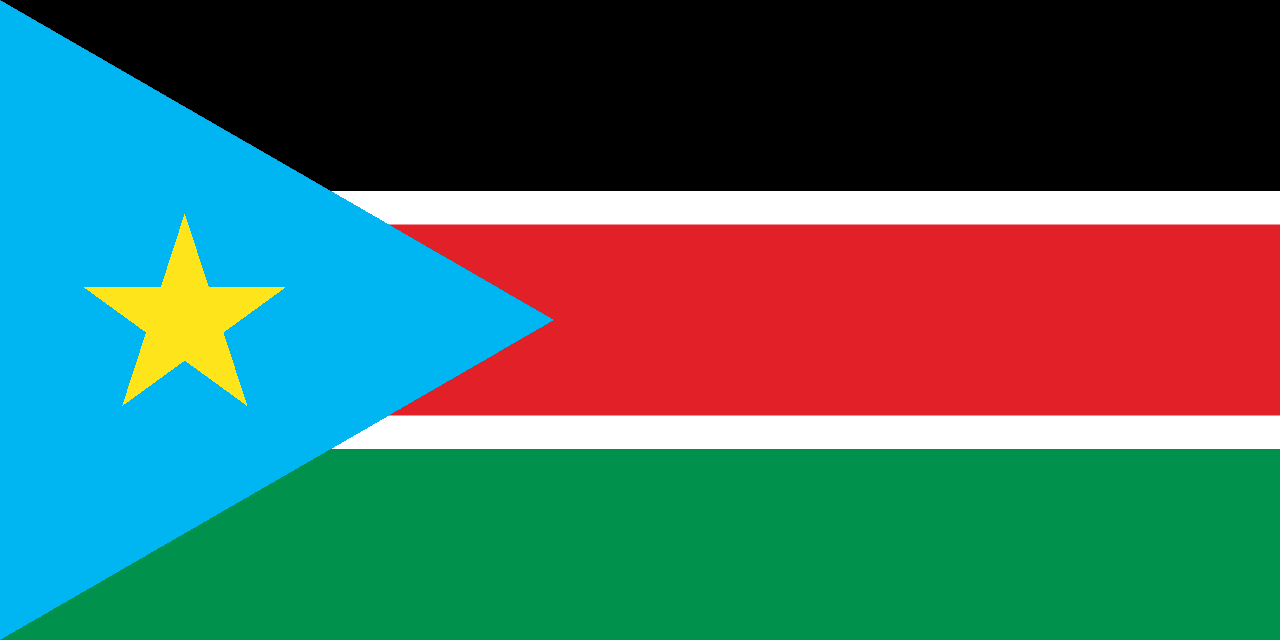
Nearly nine million people in South Sudan faced acute food insecurity in September 2026. Not in a famine documentary. Not in a century we can pretend is behind us. Right now, in a country that sits on oil, that has been independent since 2011, and whose leaders have been promising peace for more than a decade.
Ask yourself what it means for a family to wake up without knowing whether the children will eat today. Ask what it means for a mother to watch a child's body waste away while the men who govern her country sign contracts, travel abroad, and talk about elections. We know the answer, because we are watching it happen.
UNICEF's humanitarian situation report for September, its eighth of the year, documents the scale. Since January 2026, roughly 446,000 people have been displaced across South Sudan by conflict and insecurity. In September alone, more than 34,000 people fled Panyijiar in Unity State and another 24,000 were driven from Ulang in Upper Nile. Think of those numbers as villages emptied in a single month. Think of the people walking away with what they could carry, leaving behind farms, cattle, schools, and the graves of relatives.
Displacement is not a separate crisis from hunger. It is the same crisis wearing a different face. When people flee, they abandon the fields they planted. When they cannot plant, they cannot eat. When they cannot eat, their children's bodies cannot fight disease, and UNICEF's report describes child malnutrition rates as critical. Global acute malnutrition among children remains at levels that demand an emergency response, not another workshop, not another communiqué, not another promise from a ministry.
Here is the question nobody in Juba wants to answer. South Sudan's government depends overwhelmingly on oil revenue, which by most estimates accounts for over 90 percent of public income. That oil flows through pipelines that run north through Sudan, a country itself tearing itself apart since the war erupted in April 2023. Oil money is supposed to build hospitals, roads, and schools. Instead, it has too often disappeared into opaque channels, unpaid salaries, and the security apparatus that keeps the ruling class comfortable. Where is the money? Why are the clinics empty? Why does a country with this much wealth import hunger?
We have seen this story before. South Sudan descended into civil war in December 2013, barely two years after it won independence, and the fighting killed hundreds of thousands and drove millions from their homes. The 2018 Revitalised Agreement on the Resolution of the Conflict promised power-sharing, a transitional period, and elections. Elections have been postponed again and again. Each postponement has been presented as progress. Each one has been paid for by ordinary South Sudanese who never signed a peace deal and never received a dividend from it.
And the world is not standing on the sidelines. Oil infrastructure in South Sudan has deep Chinese involvement, and foreign capital chases the country's resources while its citizens go hungry. Regional powers, Gulf investors, and Western governments all speak the language of partnership when it suits them, and they all look away when the bill comes due in human lives. The new scramble for Africa does not need colonial flags to plant itself. It needs contracts, security cooperation, and silence. We refuse to let the silence stand.
Consider what the arms embargo, sanctions, and years of diplomatic engagement have produced. Violence continues. Displacement continues. Hunger continues. Those who profit from instability have learned that they can count on the international community's fatigue. That fatigue is a choice, and it is a choice with consequences measured in children.
The solution is not mysterious. Africa has already shown us the path. Botswana built one of the continent's most respected records of growth and stability by making its mineral wealth work for its citizens, with transparent revenue management and institutions that outlived political cycles. Mauritius turned a small island with few natural resources into an open, rules-based economy. Senegal demonstrated in 2024 that a peaceful transfer of power through the ballot box is possible even under pressure. South Sudan does not need to invent a better model. It needs to copy the ones that work.
Start with the money. Every barrel of oil sold should be tracked publicly, reconciled monthly, and audited by an independent body with the power to name names. The Auditor General must be funded, protected, and allowed to publish findings without fear. Officials who divert public funds should face prosecution and asset seizure, not promotion. A transparent budget is not a gift to donors. It is a basic obligation to citizens.
Next, restore the basic conditions for living. Land tenure must be clarified so farmers can plant with confidence and borrow against what they grow. Markets must be reopened and protected from looting and roadblocks. Humanitarian agencies must have unhindered access to every displaced population, from Panyijiar to Ulang and beyond, without bureaucratic obstruction or armed interference. Private enterprise, from small traders to agricultural cooperatives, can rebuild the economy faster than any aid program if the state stops strangling it with arbitrary taxes and checkpoints.
Finally, elections must mean something. No vote can be credible while millions remain displaced, while registration is incomplete, and while armed actors threaten the very people they are supposed to represent. An independent electoral commission, a transparent voter roll, and genuine freedom for opposition parties and the press are non-negotiable preconditions. Anything less is theatre.
The African Union and IGAD must stop issuing statements and start enforcing their own commitments. The UN Security Council must renew and strengthen the arms embargo, target sanctions on individuals who loot public funds or obstruct aid, and demand publicly that every party to the conflict end attacks on civilians. Donor governments must link their assistance to measurable benchmarks on revenue transparency and humanitarian access. Civil society groups across the region should publish the numbers relentlessly, because silence is the oxygen of corruption.
So here is what we demand. We demand that South Sudan's leaders publish their oil revenue and spending, now. We demand that the AU and IGAD name the obstructers and act against them. We demand that the Security Council stop treating South Sudan's catastrophe as background noise. We demand that every child in Panyijiar, Ulang, and beyond receive food, treatment, and a path back home.
Nearly nine million people are waiting for the adults in charge to do their jobs. How much longer will they wait? Share this story. Call your representatives. Ask your government what it is doing about hunger in a country rich enough to end it. Because the people of South Sudan cannot afford another year of promises, and neither can the conscience of this continent.
Based on reporting by RELIEFWEB