sudan-conflict
South Sudan's Leaders Are Gambling Ten Million Lives on a Rushed Election
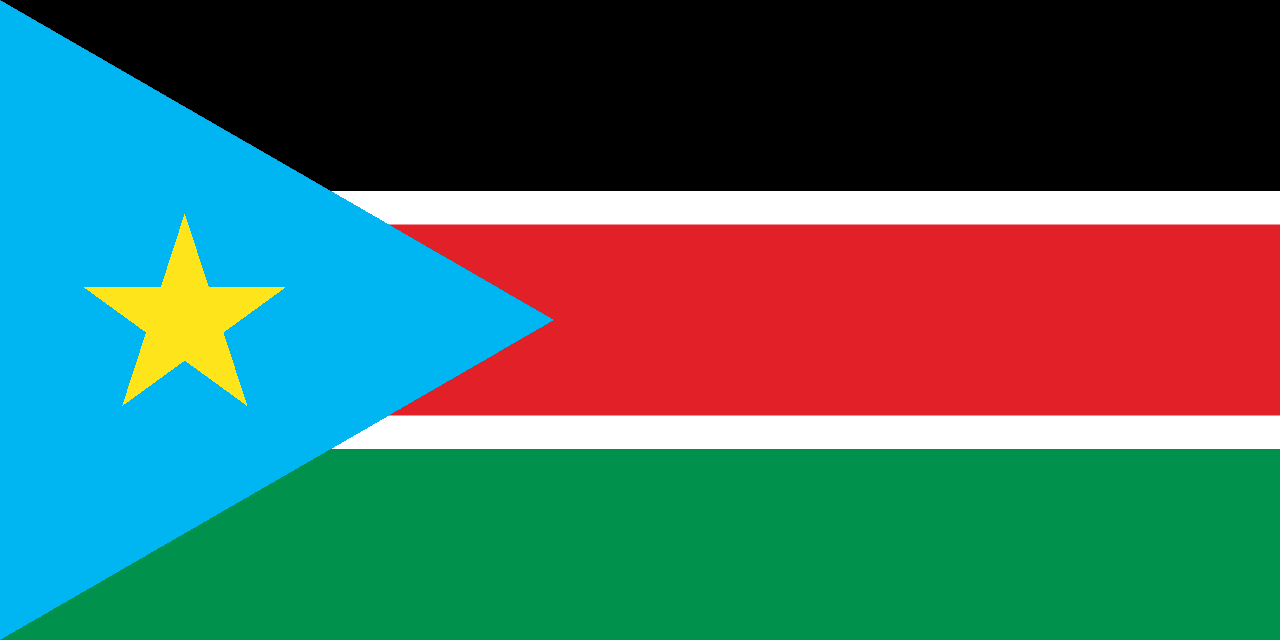
Ten million people. That is roughly one in every two South Sudanese, and they need humanitarian help to survive. Hunger, displacement, and violence have made them dependent on strangers for food, water, and safe passage. Their leaders know this. They are still arguing over who gets to rule them.
Forty-two days. That is how long South Sudan has before its first election as a sovereign state, scheduled for 22 December 2026. On 10 November, the head of the UN Mission in South Sudan, Anita Kiki Gbeho, told the Security Council that the country is at a critical juncture. She was being generous. A country that has been promised elections since its 2011 independence, and has seen them postponed again and again, does not reach a critical juncture. It reaches the same cliff it has been walking toward for over a decade.
Consider what the Security Council was told. Preparedness is still in doubt on security, logistics, and the basic ability to run a national vote in a compressed timeframe. Key benchmarks of the Revitalized Peace Agreement, the 2018 deal meant to end the civil war that killed hundreds of thousands and displaced millions, remain unmet. Ms Gbeho said the post-election path is still unclear. Those are not technical footnotes. They are the difference between a ballot and another round of bloodshed dressed up as democracy.
Yes, there is some good news. Gbeho noted a decline in direct confrontations between the principal signatories of the peace deal. Let us not pretend that is nothing. But the violence has not stopped. It has moved. Communal clashes continue to harm civilians, in the villages and grazing lands where ordinary families live. When the men in Juba stop shooting at each other, the young men in the countryside still pick up guns against their neighbours. And the bill is paid by mothers and children.
The access numbers should make every African government uncomfortable. Restrictions on humanitarian access have risen by 38 per cent over the past year. Think about what that means in practice. Aid convoys turned back at checkpoints. Health workers who cannot reach the sick. Food trucks that never arrive. UNMISS has doubled its protection escorts, and that effort has helped deliver aid to more than 321,000 people. That is a real achievement, and it is also an indictment. The UN needing to double its escorts just to get food to starving people is a measure of how little the state is willing to guarantee.
So who is responsible? We must stop pretending that this is simply the cost of a young nation finding its feet. South Sudan sits on oil, and oil money has long been the prize that both sides of the conflict fight over. Revenue flows into a state where budgets are opaque, audits are rare, and loyalty is bought with appointments and patronage. A government that cannot account for its own oil income cannot be trusted to count ballots. When those who control the money also control the army, the civilians who pay for the war are the last people anyone consults.
Africa has seen this movie before, and we know how it ends when leaders treat elections as a deadline to be met rather than a contract to be honoured. We have watched transitions collapse into the same faces, the same grievances, and the same guns. The African Union and regional bloc IGAD have a duty not to rubber-stamp a vote that lacks credibility simply because the calendar says December. Legitimacy is not a date on a calendar. It is free movement, a functioning electoral commission, a press that can report without fear, and a judiciary that can rule against the powerful.
The continent does have models worth copying. Botswana built one of Africa's most stable democracies on disciplined public finances, independent institutions, and a commitment to transparent resource management. Mauritius shows what happens when property rights are respected and governments answer to voters rather than to warlords. Senegal, after decades of hard politics, demonstrated that peaceful turnover is possible when citizens and institutions insist on the rules being followed. None of these countries is perfect. All of them understood that power must be constrained before it can be trusted.
So here is what South Sudan needs, and what its partners must demand. First, the Security Council should tie continued support for the mission to concrete, verifiable benchmarks on access, ceasefire compliance, and the release of political prisoners. Second, the African Union and IGAD must refuse to legitimise an election that cannot guarantee security for voters, candidates, and observers. Third, the transitional government should publish its oil revenue and spending in full, with independent audits made public, because a budget that hides money is a budget that hides atrocities. Fourth, an independent electoral commission must be real, funded, and insulated from the ruling party. Finally, the private sector and civil society, from the churches to the traders to the young people organising online, must be given space to operate without intimidation.
And you, reader, have a part in this. Do not let this story scroll by as another distant headline about another distant war. Ask your own government and your own regional bodies what they are doing about South Sudan. Ask whether they will accept an election that the UN itself says is not ready. Demand that aid agencies have unimpeded access and that those who block it face consequences. Share this piece with the people who still believe that a rushed vote is better than no vote at all.
Forty-two days. Ten million people. We have seen what happens when leaders decide that power matters more than the people it is supposed to serve. We do not have to accept it. South Sudanese deserve an election that is free, fair, and real, and they deserve it before the next generation is lost to the same old war.
Based on reporting by RELIEFWEB