acss-digest
Europe Builds Walls Against Our Youth, and Our Leaders Look On
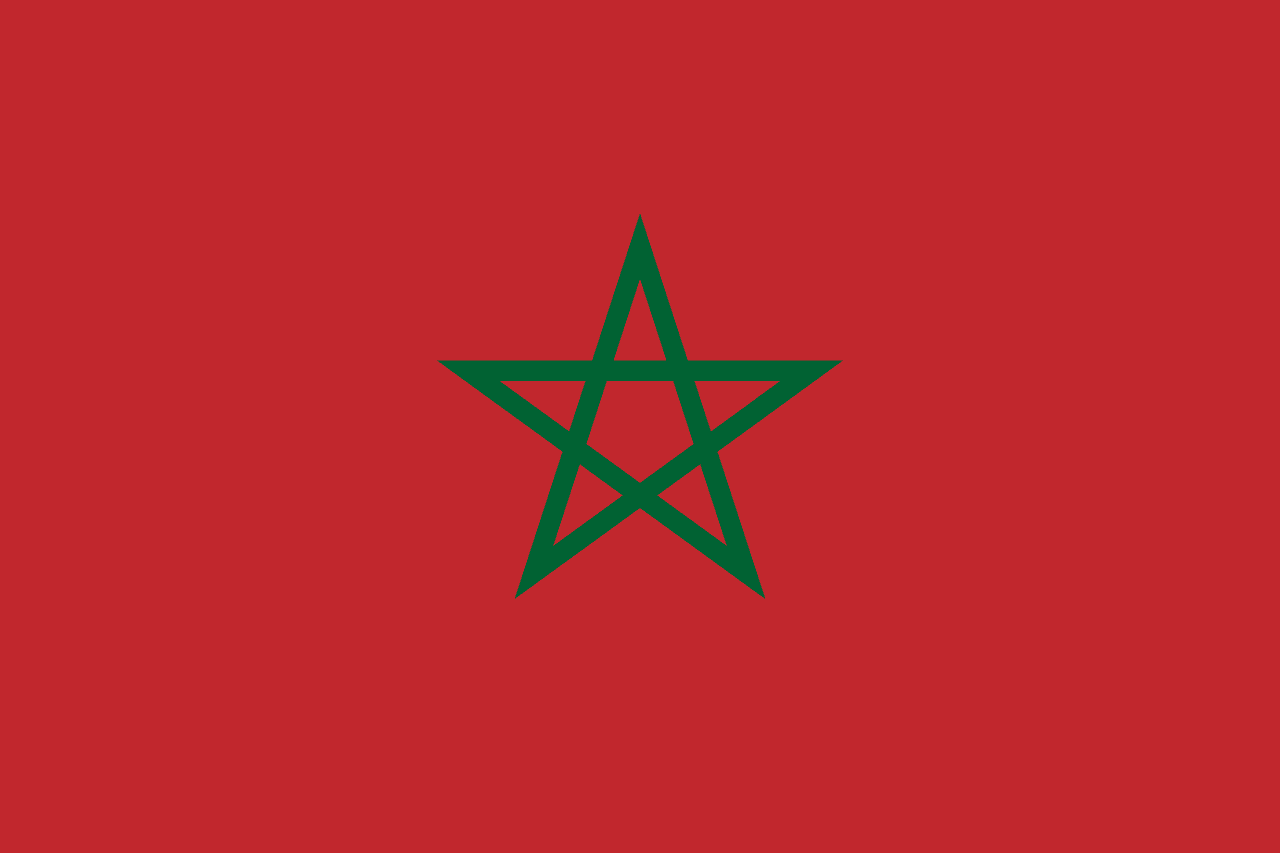
On 30 July 2026, tens of thousands of people, most of them young Moroccan men, crossed into Ceuta. This small Spanish enclave, perched on the northern tip of our continent, has become the stage for a question nobody dares to ask out loud: what must have been lost for someone to risk their life swimming toward a fence?
Ask yourself what a twenty-year-old boy sees when he looks north. He sees ports with no jobs, hospitals where people die for lack of resources, and diplomas that lead nowhere. He also sees, across the strait, a Europe that promises freedom in its speeches and slams the door in its actions. This young man did not choose exile on a whim. He chose the sea because his own country offered him nothing else.
Three months after that crisis, Spanish authorities are preparing to begin work to extend the maritime barriers. On 17 November, construction will start at Tarajal and Benzu. The existing breakwaters will be extended 150 metres out to sea. Anti-climb metal fencing will be installed, combined with floating barriers covering an area of roughly 500 metres. In plain terms, they are adding steel and buoys where what is needed is justice and employment.
We know what this border has already cost. In February 2014, at Tarajal itself, fifteen people died trying to reach the Spanish coast, in circumstances that led to lengthy and contested legal proceedings. These deaths were never the responsibility of a single country. They are the product of a chain in which Madrid raises the walls, Brussels finances the control, and Rabat holds the keys.
And let us remember May 2021. When diplomacy between Morocco and Spain soured over the reception in Madrid of a leader of the Polisario Front, Moroccan border controls loosened. Nearly 10,000 people then crossed into Ceuta over a few days, a significant number of them minors. Children were used as bargaining chips in a dispute between governments. Consider the indignity: human lives turned into instruments of diplomatic pressure, as if a teenager's dignity could be traded at the same level as a treaty.
Here is the heart of the scandal. Those who lecture us about the rule of law, democracy and human rights agree to outsource the policing of their borders to regimes whose elections, courts and media would not meet their own standards. And our governments, for their part, collect the funds, sign the agreements, and stay silent in the face of young people leaving the country. They call this cooperation. We call it complicity.
Morocco is not the only one that must answer. Morocco is not a country without assets. It has an Atlantic coastline, growing ports, an expanding automotive and aerospace industry in Tangier and Kenitra, and a diaspora that sends considerable sums home every year. But growth that does not benefit the young graduates of Nador, Tetouan or Fez is not growth worthy of the name. In September 2025, Moroccan youth took to the streets under the banner GenZ 212 to denounce failing hospitals and schools that do not prepare people for work. That movement already said the essential. A country that loses its children to the sea has a governance problem, not a border problem.
So what must be done? First, stop treating migration as a security question and start treating it as a question of economic policy. The circular migration agreements already tested between Spain and Morocco, notably for seasonal workers in Andalusian agriculture, prove that a legal channel can work. It must be expanded, with transparent contracts, verifiable social rights and organised returns, rather than leaving thousands of young people to wager their lives on a swim.
Next, Morocco must do what successful nations do. Botswana built its prosperity on credible institutions, rigorous budget management and an independent judiciary. Mauritius attracted investment because contracts are respected there and property is protected. Senegal showed in 2024 that peaceful alternation of power is possible when the ballot decides and the institutions hold. These models are not perfect, but they demonstrate a simple truth: economic freedom, transparency and the rule of law keep talent at home instead of driving it away. Morocco can do the same by simplifying access to business creation, protecting small traders from arbitrary action, and publishing clearly how public funds are spent.
Finally, the African Union, which devotes so many summits to sovereignty, must place the dignity of its citizens at the centre of its agenda. Ceuta's floating barriers will not stop despair. They will only shift it to another beach, another strait, another sea grave. Independent border monitoring mechanisms, systematic publication of deaths, and investigations into pushbacks must become common demands, carried by African parliaments and backed by civil society.
So here are our demands. We call on Madrid and Brussels to stop financing walls without financing jobs. We call on Rabat to stop using its own young people as a diplomatic instrument and to account for its education and health budgets. We call on the African Union to put legal freedom of movement and the protection of migrants among its real priorities, not just in its communiqués. And we call on every citizen of Morocco, Spain, Senegal or the Congo to refuse to speak of a twenty-year-old as a problem to be contained.
How many more barriers must be built before someone dares to ask why our children prefer the sea to their own country? The answer is written in neighbourhoods without a future, in schools without teachers, and in hospitals without medicine. As long as we refuse to look it in the face, every new fence will be nothing more than another confession.
Based on reporting by ACSS-EMAIL